
Last updated November 3, 2026
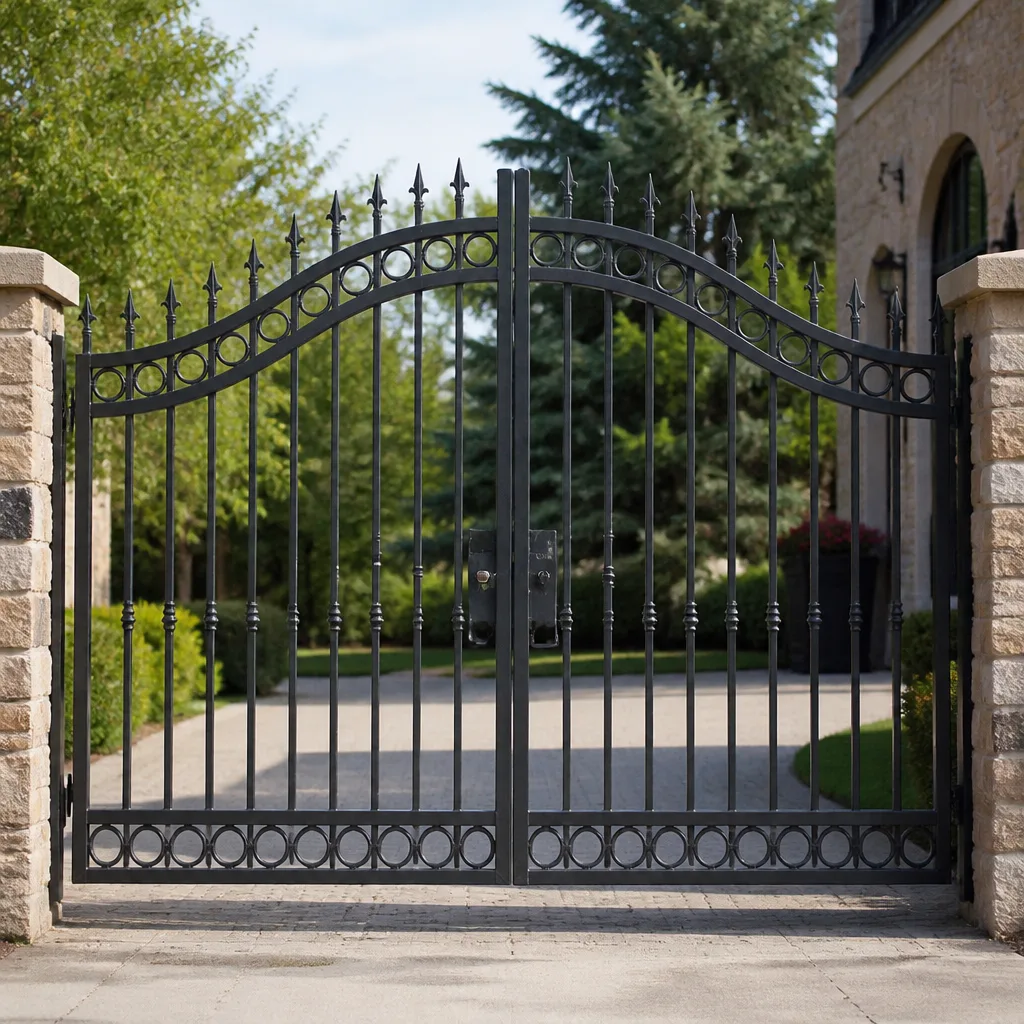 Wrought iron
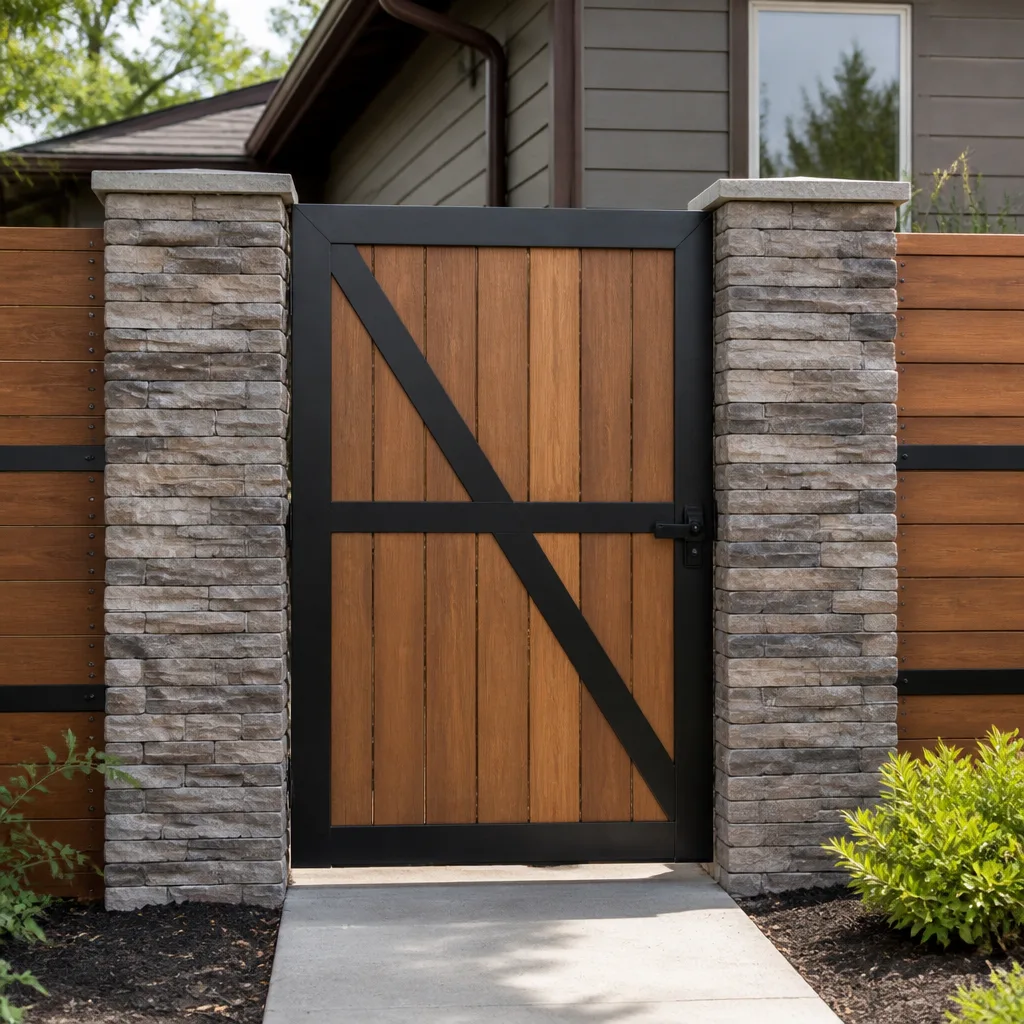 Wood & steel frame
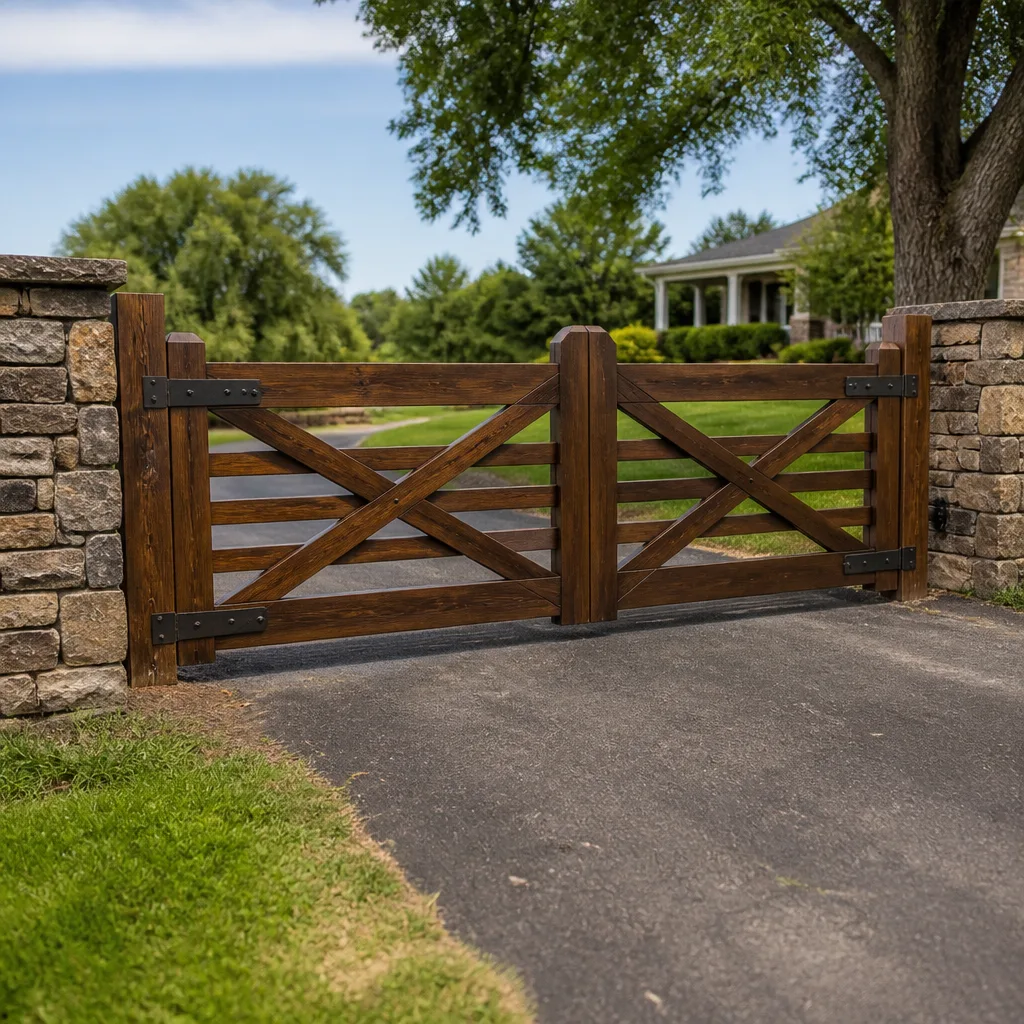 Farm & ranch
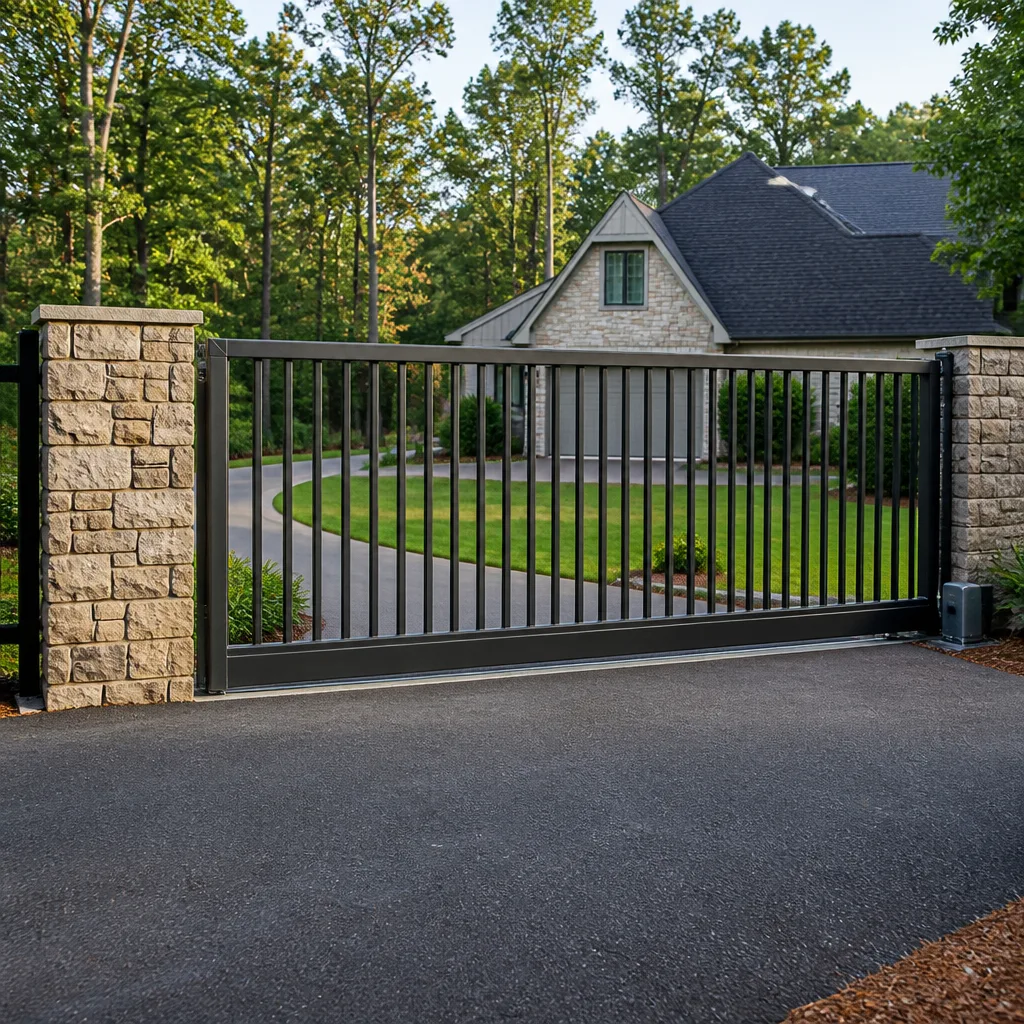 Sliding driveway gates
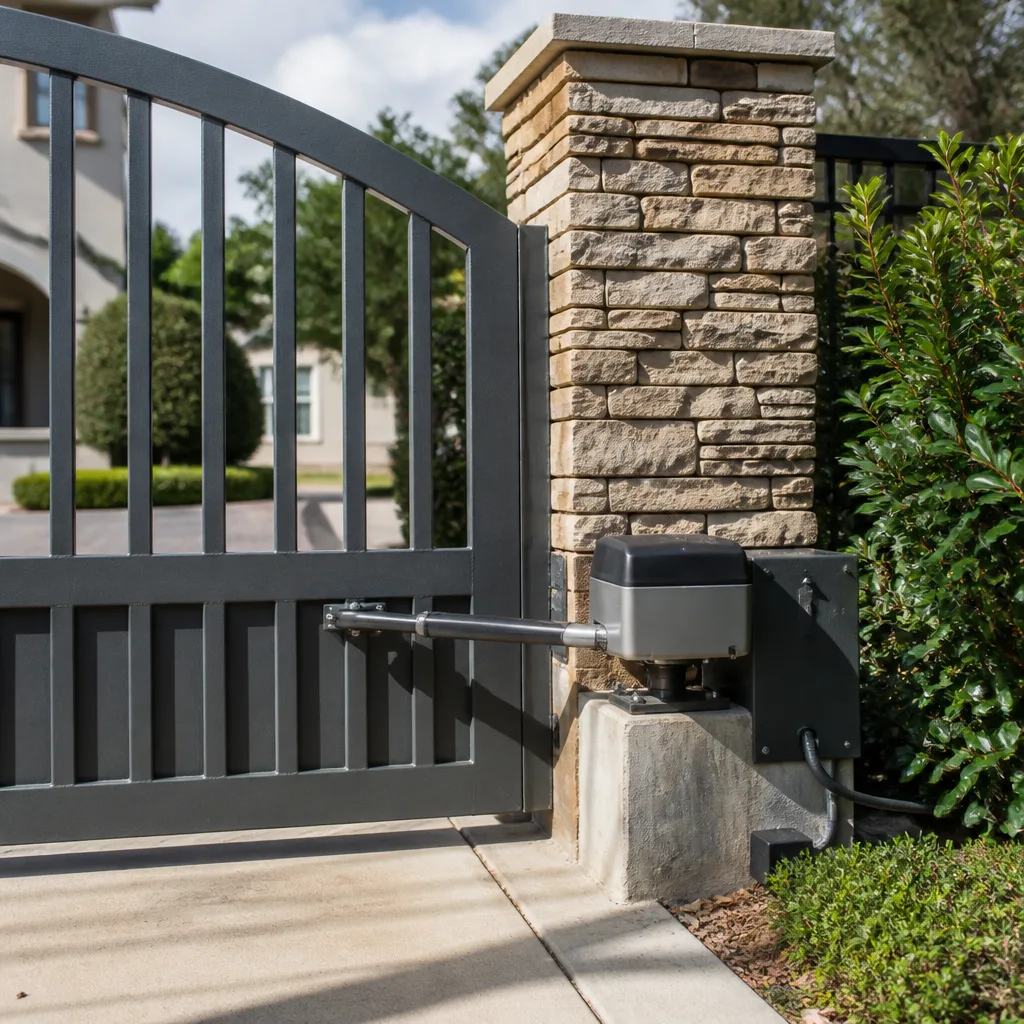 LiftMaster operators
Free on-site gate assessment - hinges, posts, and your LiftMaster or Nice gate operator checked before anything is quoted
The assessment is free and the quote is the invoice.
Get your free estimateThe Complete Gate Repair Guide for Citrus Heights Homeowners
A gate that grinds on opening isn’t necessarily a motor problem. It’s often a hinge or track alignment issue that will burn out the motor if the “motor” gets replaced first. That single misdiagnosis accounts for more wasted money in Citrus Heights Gate Repair services than any other mistake we see. This guide walks you through the five root-cause categories behind most gate failures, shows you how to distinguish a symptom from a cause, and gives you a system for documenting your gate so you never pay for the same repair twice.
Styles & brands we work with
- Wrought iron
- Wood & steel frame
- Farm & ranch
- Sliding driveway gates
- LiftMaster operators
Quick Answer
Gate repair in Citrus Heights comes down to correctly identifying which of five systems has failed (our The Complete Guide to Gate Repair in Citrus Heights covers this in depth): structural (posts, hinges, alignment), mechanical (wheels, tracks, chains), electrical (wiring, power supply), control (sensors, keypads, remotes, safety edges), or the operator (the motor and gearbox). Most failed repairs happen because a symptom in one category gets treated instead of the root cause in another. A systematic check in the right order, which this guide explains, prevents that.
Table of Contents
- The Five Root Causes of Gate Failure
- How Citrus Heights Soil and Climate Affect Your Gate
- Symptom vs. Cause: How to Tell Them Apart
- DIY-Safe Repairs vs. Repairs That Need a Specialist
- Documenting Your Gate System Before an Emergency
- Seasonal Maintenance Calendar for the Sacramento Valley
- Signs You Need Gate Repair in Citrus Heights Right Now
- Common Mistakes to Avoid
- When to Call a Professional
- Frequently Asked Questions
- The Bottom Line
The Five Root Causes of Gate Failure
Every gate problem in Citrus Heights, whether it’s a sagging driveway gate in Sunrise Ranch or a stuck pedestrian gate in Arcade Creek, traces back to one of five categories. The order below is also the order a good technician checks them, because each category can produce symptoms that masquerade as the next one. Structural issues create mechanical wear. Mechanical wear creates electrical load. Electrical load burns out operators. Knowing this chain is half the battle.
- Structural: The posts, hinges, and mounting hardware. In Citrus Heights, clay-heavy soil expands and contracts with moisture, slowly shifting posts out of alignment. A gate that scrapes the ground or won’t latch is often structural, not mechanical.
- Mechanical: Wheels, rollers, tracks, chains, and the physical parts that move. Grinding, squealing, or jerking motion usually points here. Easy to confuse with a motor problem.
- Electrical: The wiring, power supply, circuit breaker, and any low-voltage transformer feeding the system. Intermittent failures and dead keypads often start here.
- Control and sensor systems: Photo eyes, safety edges, loop detectors, keypads, and remote receivers. A gate that reverses for no reason, won’t close, or ignores a remote is usually a control issue.
- Operator: The motor, gearbox, and drive electronics inside the operator housing. This is the most expensive category, which is why diagnosing the first four before replacing an operator matters.
In our experience, most gate failures in Citrus Heights involve two categories working together. A post shifts slightly in wet winter soil, the gate begins to drag, and six months later the operator fails from the extra load. The repair that only addresses the operator lasts until the next wet season. The repair that also resets the post lasts for years.
How Citrus Heights Soil and Climate Affect Your Gate
Citrus Heights sits on soil that shifts. The clay-heavy ground under neighborhoods like Sylvan Oaks and Crosswoods absorbs water during winter rains and contracts during Sacramento Valley summers, when temperatures routinely hit triple digits and the ground dries hard. A gate post set in that soil moves, even if only a quarter inch. A quarter inch at the post is two inches at the far end of a 16-foot gate. That movement shows up as a latch that misses, a gate that drags, or wheels that bind.
Temperature swings create a second set of problems. Metal expands in summer heat and contracts on cold winter mornings. Gaps that look fine in August close up in December. Powder coating and paint crack at hinge points, letting moisture in. The dry summer dust works its way into rollers and operator gears, breaking down grease and accelerating wear. Sacramento’s wet winters then push that moisture into any crack, corroding internal parts before you ever see rust on the outside.
What this means practically: a gate installed correctly in Citrus Heights has post footings poured below the clay layer, with drainage to prevent water pooling at the base. Gates installed by general contractors who don’t specialize in this region’s soil conditions fail earlier, and we see the difference regularly. The same gate on the same property can last 15 years with proper footing or need post work every 3 years without it.
Symptom vs. Cause: How to Tell Them Apart
Misdiagnosis is expensive. If you’re looking for Gate Repair in Citrus Heights, the first question a specialist asks is what you’re seeing, not what you think is broken. Here’s how to separate the symptom from the cause for the most common complaints we hear.
- Gate is slow or sluggish: If it has always been slow, that’s the operator’s designed speed. If it recently got slower, that’s usually mechanical drag from misaligned wheels or a shifting post adding load. Lubricating or adjusting the mechanical parts often restores speed without touching the operator.
- Gate grinds or squeals: Nearly always a hinge, wheel, or roller issue. Replacing the motor on a gate with a dry hinge is the classic $800 mistake that fixes nothing. We’ve replaced motors on FAAC operators that were perfectly fine because the real culprit was a wheel bearing that cost $40.
- Gate opens but won’t close: This is usually a sensor issue. Photo eyes out of alignment, a safety edge that’s wet or damaged, or a loop detector that’s failing. The operator is doing what it’s told: it thinks something is in the way.
- Gate won’t move at all: Check the breaker and any battery backup before assuming the operator is dead. A tripped GFCI outlet or a dead backup battery is among the most common “broken gate” calls we get in Citrus Heights that require nothing more complex than a reset.
- Gate reverses halfway: Sensitivity settings or a failing gearbox inside the operator. If adjusting sensitivity doesn’t fix it, the gearbox is wearing and the operator needs rebuild or replacement. This is a job for a specialist.
The pattern: mechanical and electrical problems are cheaper to fix than operator problems. Ruling them out first is how you avoid paying for an operator you didn’t need. That diagnostic sequence is the core of what separates a real gate specialist from a generalist who replaces parts until something works.
DIY-Safe Repairs vs. Repairs That Need a Specialist
Some gate maintenance is genuinely doable for a homeowner. Some creates liability, voided warranties, or a genuine safety risk. The line is clearer than most DIY vs Professional Gate Repair: The Citrus Heights Homeowner’s Decision Guide resources admit.
DIY-Safe:
- Lubricating hinges, rollers, and chains with the correct product (silicone spray or white lithium grease, not WD-40)
- Adjusting latch alignment when the gate has shifted slightly
- Cleaning photo eye lenses with a dry cloth
- Tightening visible bolts and screws that have worked loose
- Replacing remote control batteries
Call a Specialist:
- Any repair involving the high-tension springs on cantilever or sliding gates. These hold hundreds of pounds of force and can cause serious injury if released incorrectly.
- Any work on the operator internals, including gearboxes, drive motors, and control boards. Opening a Viking or BFT operator housing typically voids the warranty if done by an unqualified person.
- Any electrical work beyond resetting a breaker. Low-voltage wiring done wrong creates shorts that damage control boards, and line-voltage work is a code violation if not done properly.
- Post removal or resetting. This involves digging below frost and clay layers, setting proper drainage, and re-pouring footings. Done wrong, the post shifts again within a season.
- Safety sensor calibration. Photo eyes and safety edges are the difference between a gate that stops and a gate that injures someone. Improper adjustment is a liability on your property.
If the gate is electric, the safest rule is this: mechanical adjustments are fine, electrical adjustments are not. The control board inside a Linear operator doesn’t forgive wiring mistakes. We see homeowners every month who attempted a wiring fix and turned a $150 service call into a $600 board replacement.
Documenting Your Gate System Before an Emergency
The single most valuable thing a Citrus Heights homeowner can do is build a one-page file on their gate before it breaks. When a gate fails at 9pm on a Sunday, the last thing you want is to be reading a faded label with a flashlight. A gate file also saves real money: when you can tell a technician exactly what’s installed, they bring the right parts the first time instead of making a diagnostic visit and a return trip.
Here’s what to record, in order:
- Brand and model of the operator: The label is on the side or inside the operator housing. Look for LiftMaster, FAAC, BFT, Linear, Viking, Ghost Controls, DoorKing, Elite, or Mighty Mule. Photograph the label.
- Type of gate: Swing, slide, cantilever, vertical pivot, or barrier arm. Single or double leaf. Manual, electric, or solar-powered.
- Install date and installer: If you can find the original invoice, the install date tells a technician how much normal wear to expect. Gates in Citrus Heights typically need major service between years 7 and 10.
- Remote and keypad details: How many remotes, what frequency if listed, and whether the keypad is wired or wireless. This matters because older systems use frequencies that newer remotes don’t support.
- Breaker location: Which circuit breaker feeds the gate. Label it. Two minutes now saves thirty minutes of breaker-flipping during an outage.
- Service history: Every repair date, what was done, and who did it. This shows patterns. A gate that needs the same repair twice has a root cause that was never addressed.
Store this file digitally and in a plastic sleeve near the gate or on the inside of a nearby electrical panel. If you sell the home, pass it to the buyer. It’s genuinely worth money at closing.
Seasonal Maintenance Calendar for the Sacramento Valley
Citrus Heights doesn’t have harsh winters, but the wet-dry cycle is hard on gates. A short maintenance routine, timed to the seasons, prevents most of the repairs we’re called for. Each step takes under an hour.
October (Before the Wet Season):
- Inspect every hinge point, wheel, and roller. Tighten anything loose before rain loosens it more.
- Grease all moving metal parts with a moisture-resistant lubricant. Rain will wash away dry lube within weeks.
- Check the weep holes and drainage around post footings. Clear debris that will hold water against the base.
- Test the battery backup on electric operators. Power outages are more common in winter storms.
February (Mid-Wet Season):
- Check for water pooling at any post. The clay soil in Citrus Heights holds water longer than the surface suggests.
- Clean photo eyes and safety edges. Mud and rain residue cause false obstructions.
- Re-lubricate anything that has been exposed to repeated rain.
- Inspect chains and belts for rust spots starting.
June (After the Ground Firms Up):
- Check post alignment. The clay will have expanded and contracted. A level placed on a closed gate tells you if a post has moved.
- Address any sag or latch misalignment that appeared after winter.
- Clear dust from operator internals with compressed air. Sacramento Valley dust is abrasive on gears.
- Test all safety features: photo eyes, safety edges, and auto-reverse.
This electric gate maintenance schedule is simple enough to keep, and it catches most issues before they become breakdowns. If you do nothing else, do the October and June checks.
Signs You Need Gate Repair in Citrus Heights Right Now
Not every gate problem needs immediate attention, but some do. A gate is a moving security barrier, and when it fails unpredictably, it can injure a child, a pet, or a delivery driver. Here are the conditions that warrant a same-day call rather than a wait-and-see approach.
- The gate reverses onto people or vehicles: Safety edge or sensor failure. The gate thinks the path is clear when it isn’t. This is the most dangerous failure mode.
- The gate comes off its track or drops on one side: The structure has failed and the full weight is now sitting on components not designed to carry it. Every opening adds damage.
- The operator makes a grinding noise: A gear is stripping inside the gearbox. Continued use converts a rebuild into a replacement.
- The gate won’t stay open or closed: This is often structural. A gate that drifts closed on its own can pin someone. A gate that drifts open defeats your security.
- You smell burning or see smoke: Cut the power at the breaker immediately. This is an electrical fault, not a maintenance issue.
For everything on this list, calling Gate Repair Citrus Heights home to schedule service is cheaper than the repair that becomes necessary after another week of use. We specialize exclusively in gates, it’s all we do, and we carry parts for the brands most common in this area.
Common Mistakes to Avoid
- Replacing the operator before checking the mechanical load: The single costliest mistake in gate repair. A gate that binds at the hinge burns out every motor eventually. Fix the hinge, the motor often lasts another five years. We’ve seen this happen repeatedly on properties throughout Citrus Heights.
- Using the wrong lubricant: WD-40 is a solvent, not a lubricant. It cleans and then evaporates, leaving metal drier than before. White lithium grease or silicone spray is the correct product for most gate applications.
- Attempting to adjust high-tension springs without training: A cantilever gate spring under tension can break bones if it releases. This is the one DIY mistake that sends people to the emergency room.
- Ignoring a sagging gate: Sag is always structural. It never gets better on its own, and every day it sags more load shifts onto parts that were not designed to carry it.
- Failing to document the system: Ten minutes of documentation saves hundreds of dollars in diagnostic time when something fails. We know because we charge by the job, not by the hour, and a documented system gets quoted faster and more accurately.
- Buying a new remote for a system with a failing board: If the remote is fine but the receiver is marginal, the new remote does nothing. Test the existing remote’s signal first.
- Delaying safety edge repair: A gate without a functioning safety edge is a lawsuit waiting to happen on a rental property or any home with children. This is a liability repair, not a convenience repair.
When to Call a Professional
Call a gate specialist when the problem involves the operator, the wiring, the safety systems, or the structural posts. That covers most repairs beyond lubrication and visible bolt-tightening. The reason is simple: each of these systems affects the others. A specialist diagnoses the whole gate, not just the symptom. General handymen can fix what’s visibly broken but often miss the underlying cause, and the repair fails six months later.
If you’re in Citrus Heights or the surrounding area and your gate is misbehaving, Gate Repair Citrus Heights offers free estimates in Citrus Heights. Call (877) 752-5078 and describe the symptom. We’ll tell you what’s likely wrong, what it costs to fix, and whether it can wait or needs immediate attention. We’re gate specialists, the only trade we work in. If we can’t repair it, we’ll tell you that straight and quote a replacement through our Gate Installation in Citrus Heights service instead.
Frequently Asked Questions
Most gate repairs in Citrus Heights run between $150 and $450 for mechanical fixes like hinge, wheel, and track work. Electrical repairs on operators and control boards typically land between $250 and $800, depending on the brand and the component. Full operator replacement on a residential gate, including parts and labor, ranges from $800 to $2,500. Call (877) 752-5078 for an exact quote. Estimates are free and the price is agreed before any work starts.
Yes. Most common repairs, a failed hinge, a misaligned sensor, a dead battery backup, are same-day service in Citrus Heights. Operators that need rebuilding may take an extra day if the specific gear kit isn’t already on the truck, but we stock parts for FAAC, BFT, Linear, and Viking systems locally. Call (877) 752-5078 in the morning and we’ll typically be on site by afternoon.
Yes. Solar gate operators use the same electrical and mechanical systems as wired operators, plus a solar panel, charge controller, and battery bank. Most solar gate failures in Citrus Heights come from a failing battery, not a failing motor. We test the entire solar chain before replacing anything.
A full gate installation includes removal and disposal of the old gate, post footing work, hanging and alignment of the new gate, installation of the operator (if electric), safety sensors, keypad or remote setup, and a final safety calibration. For properties in Citrus Heights, we also address drainage and soil conditions so the new posts don’t shift in the clay. Call (877) 752-5078 for a free measure and written price.
Yes, we install and repair operators that integrate with intercom, keypad, card reader, and phone-based access control systems. If the access control is failing but the gate still opens from the remote, the problem is usually in the access control wiring or the control board. We diagnose both sides of the system.
A properly installed steel or aluminum gate with correct post footings typically lasts 20 years or more in Citrus Heights. The operator, meaning the motor and control board, usually lasts 8 to 12 years before requiring replacement. Gates with shallow footings or poor drainage can need post work within 5 years. Regular maintenance stretches both numbers.
The Bottom Line
Gate repair in Citrus Heights is a diagnostic problem first and a parts problem second. The gate that grinds, sags, reverses, or stalls is telling you which system has failed, and reading those signals correctly is what separates a durable repair from a repeat failure. Document your gate system before it breaks, do the twice-yearly maintenance checks this guide outlines, and call a specialist when the problem touches the operator, the wiring, or the structural posts. For more guides & resources, see our blog. From a bent hinge to a failed electric operator, a methodical diagnosis is the difference between a $200 fix and a $2,000 mistake.
Written by the team at Gate Repair Citrus Heights, serving Citrus Heights since 2018. Call (877) 752-5078 for a free estimate on any gate repair or installation.
See the difference
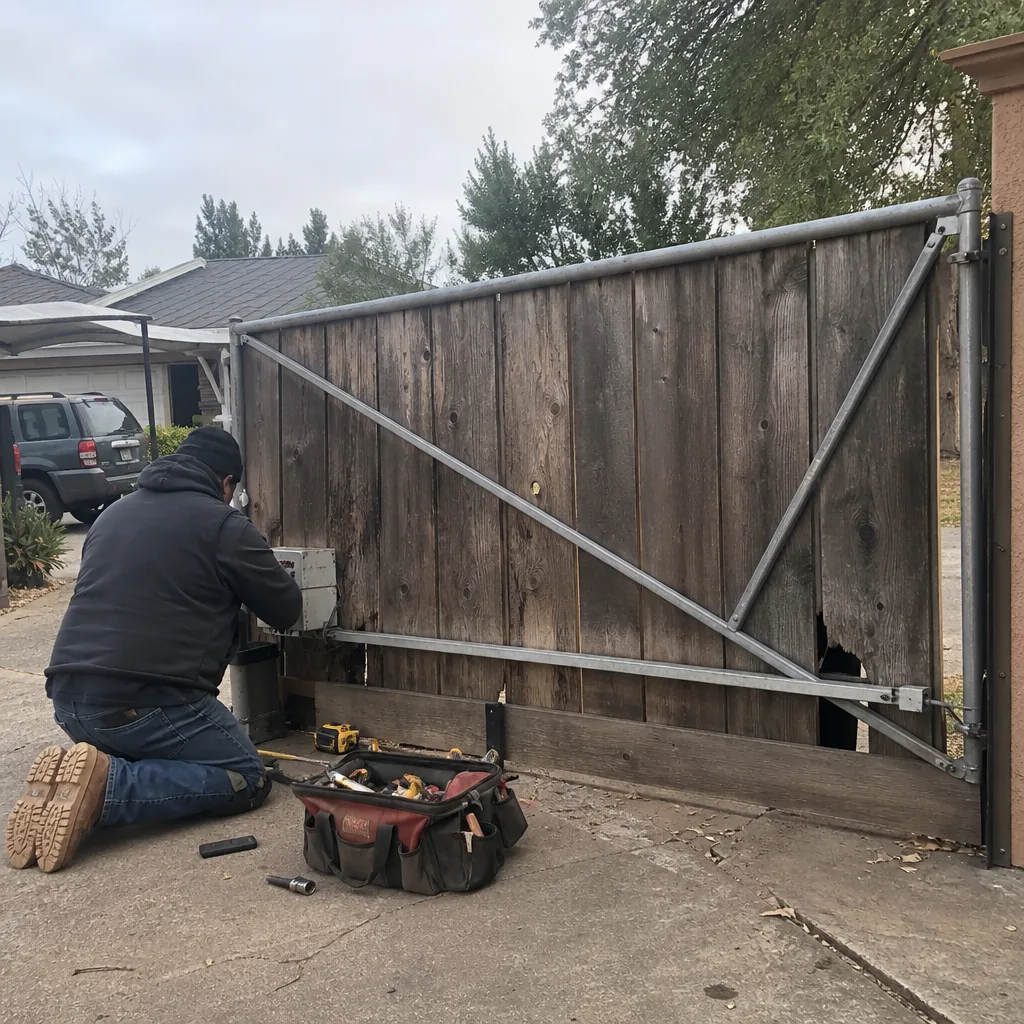 Before
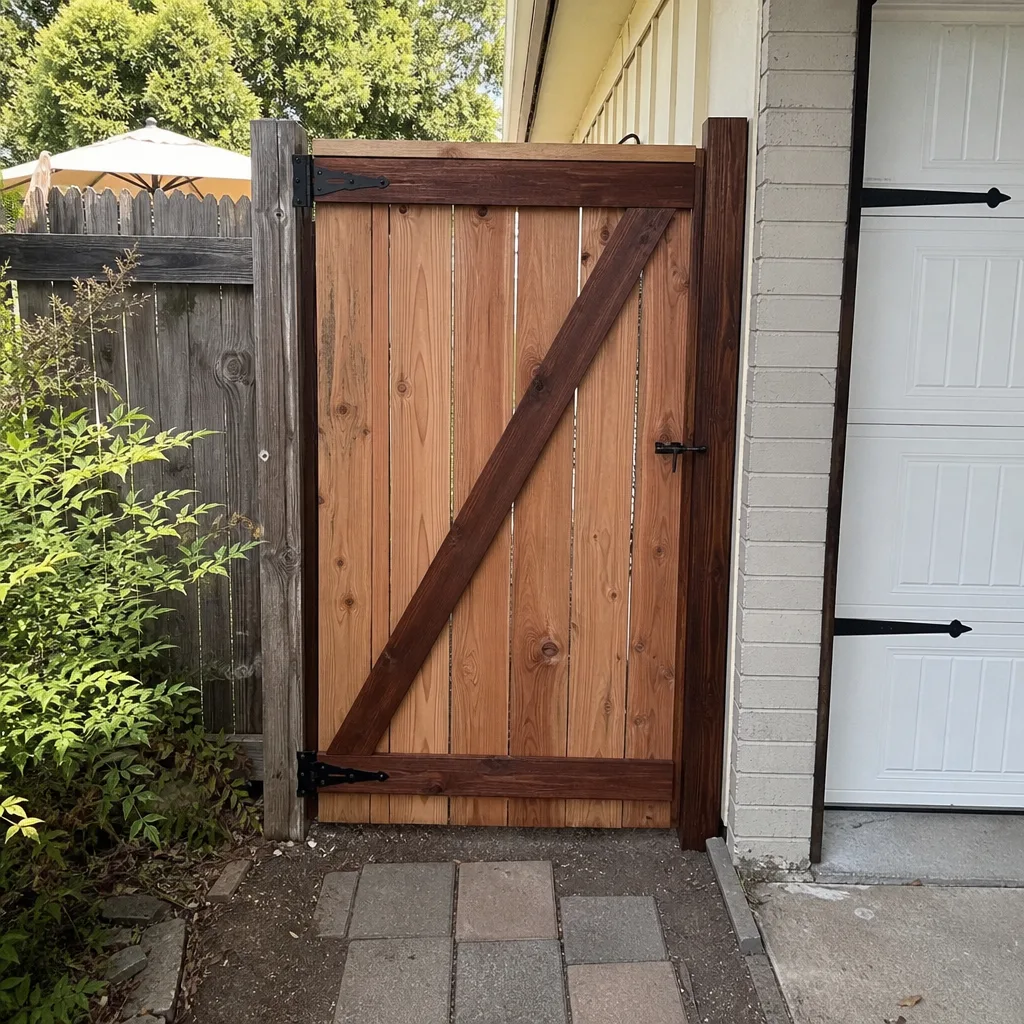 After
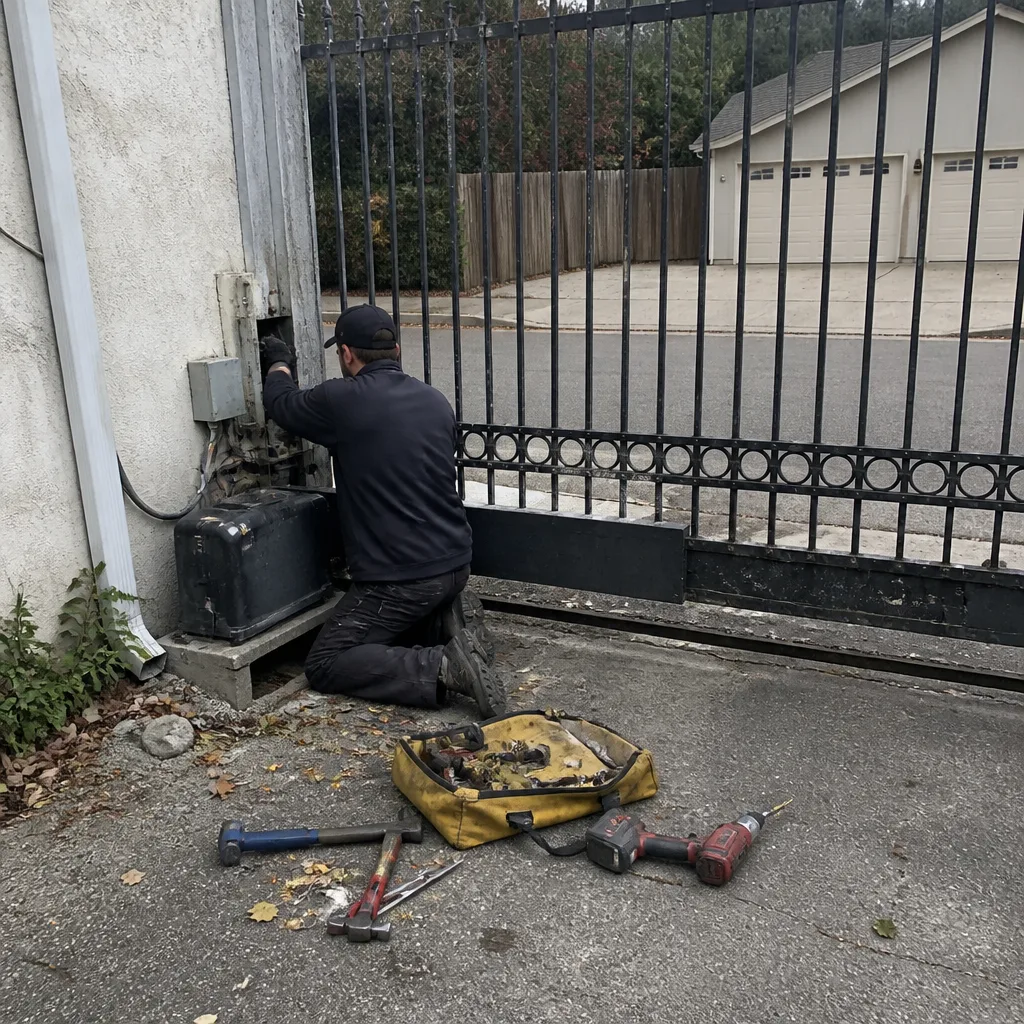 Before
 After
 Before
 After