
Last updated November 2, 2026
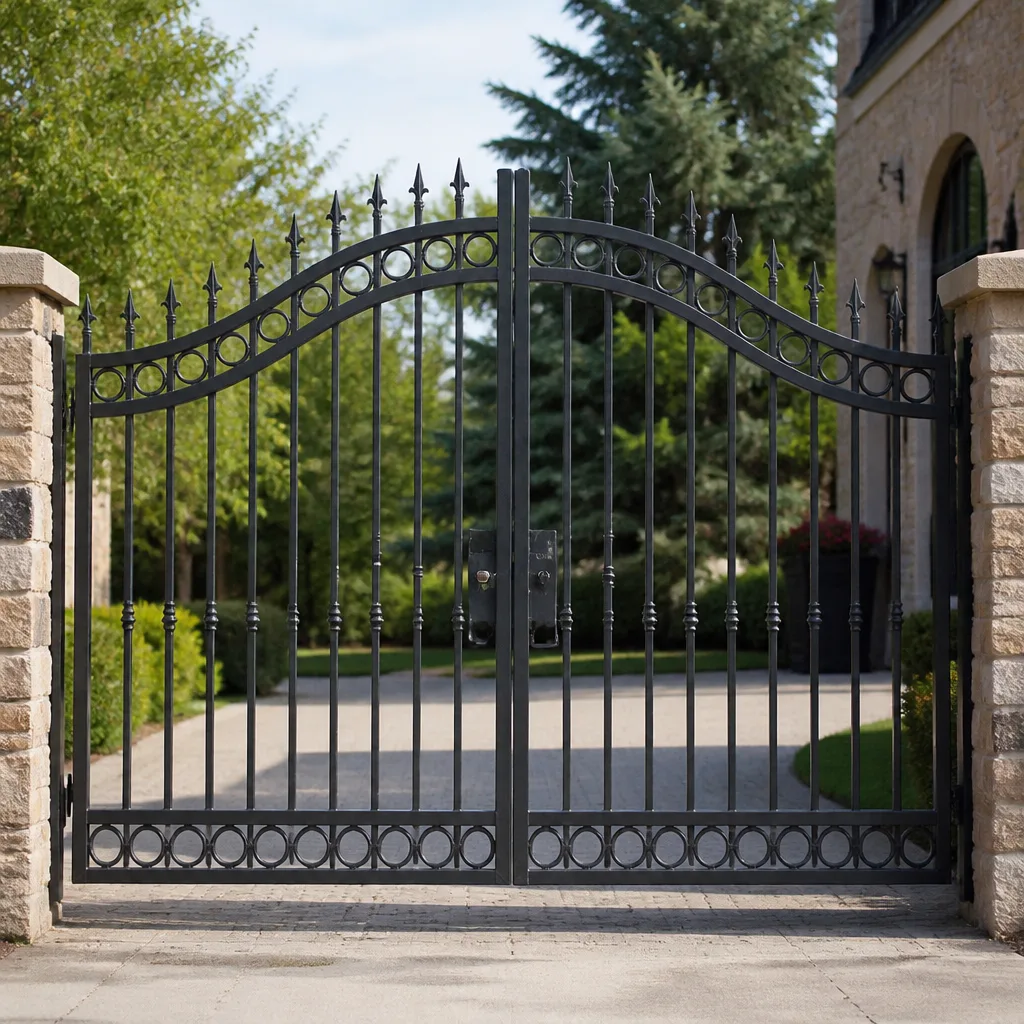 Wrought iron
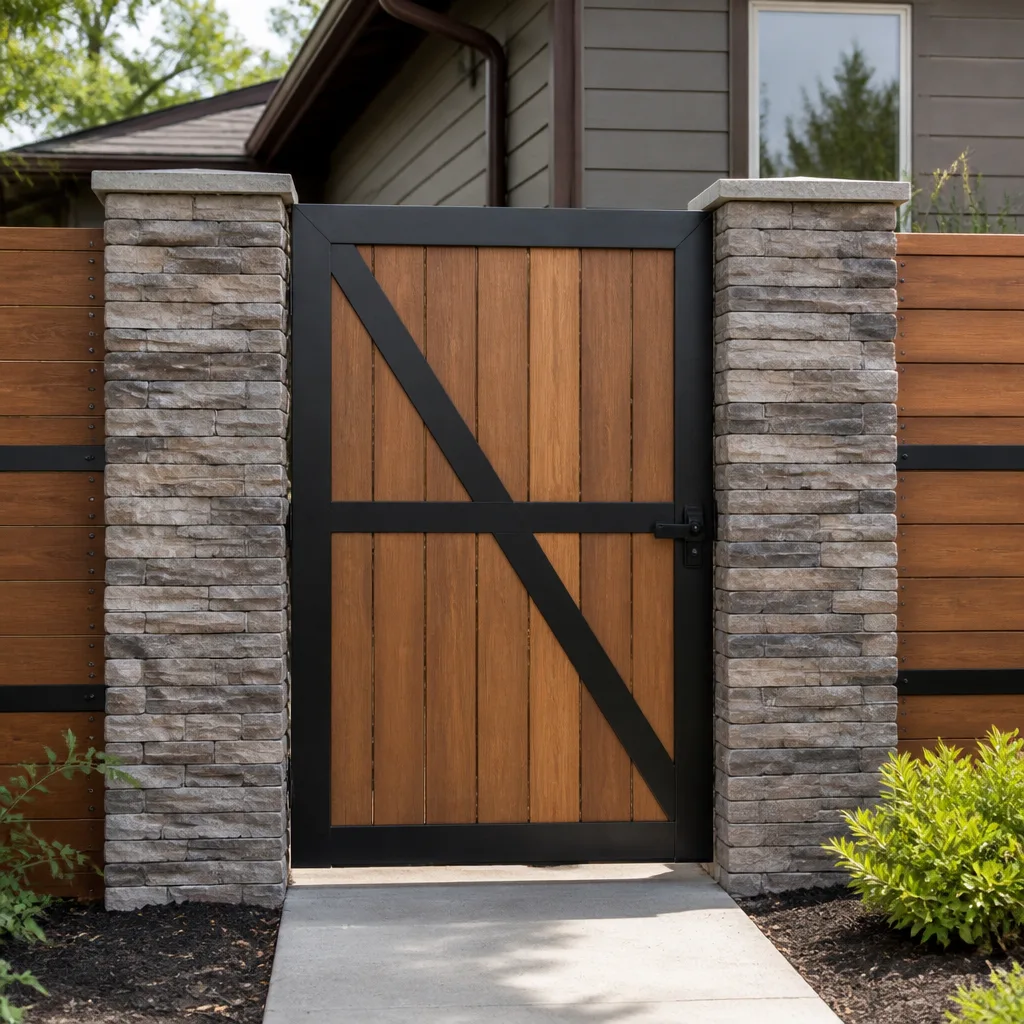 Wood & steel frame
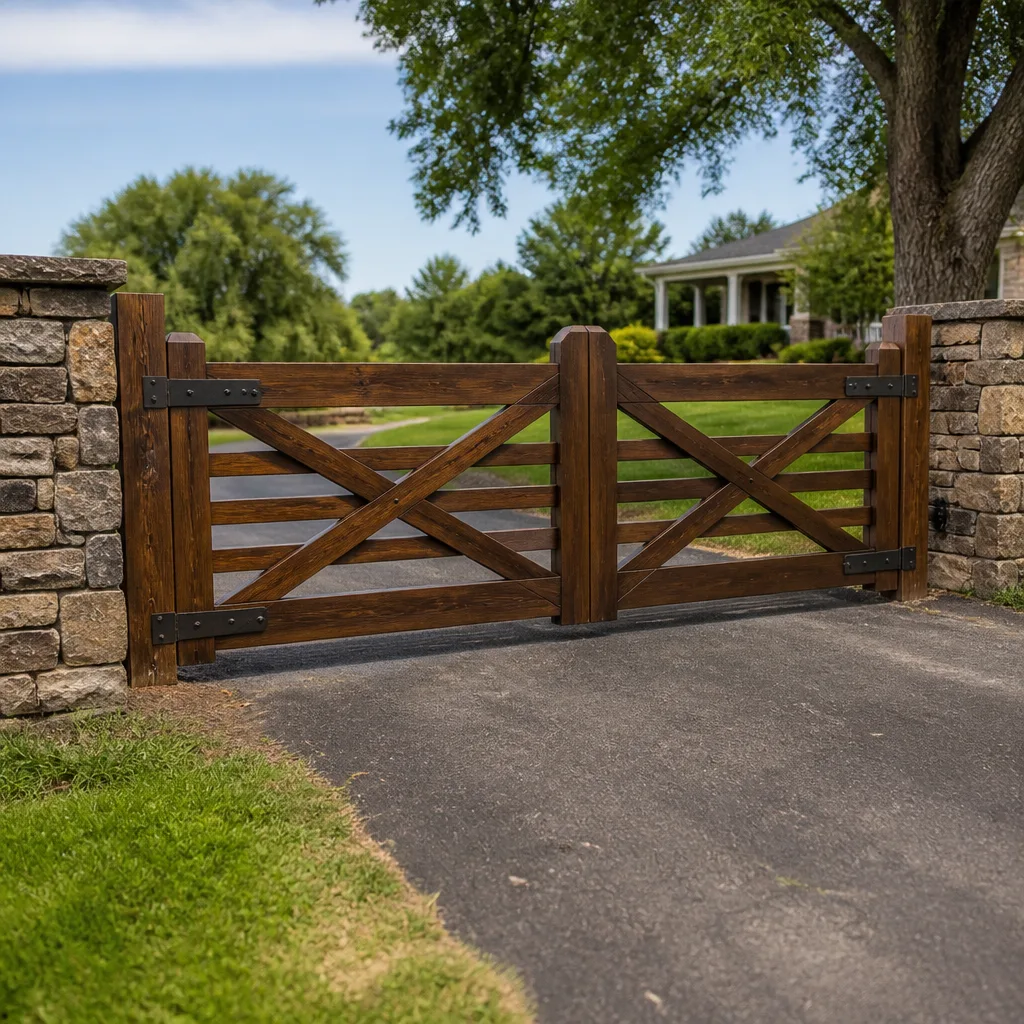 Farm & ranch
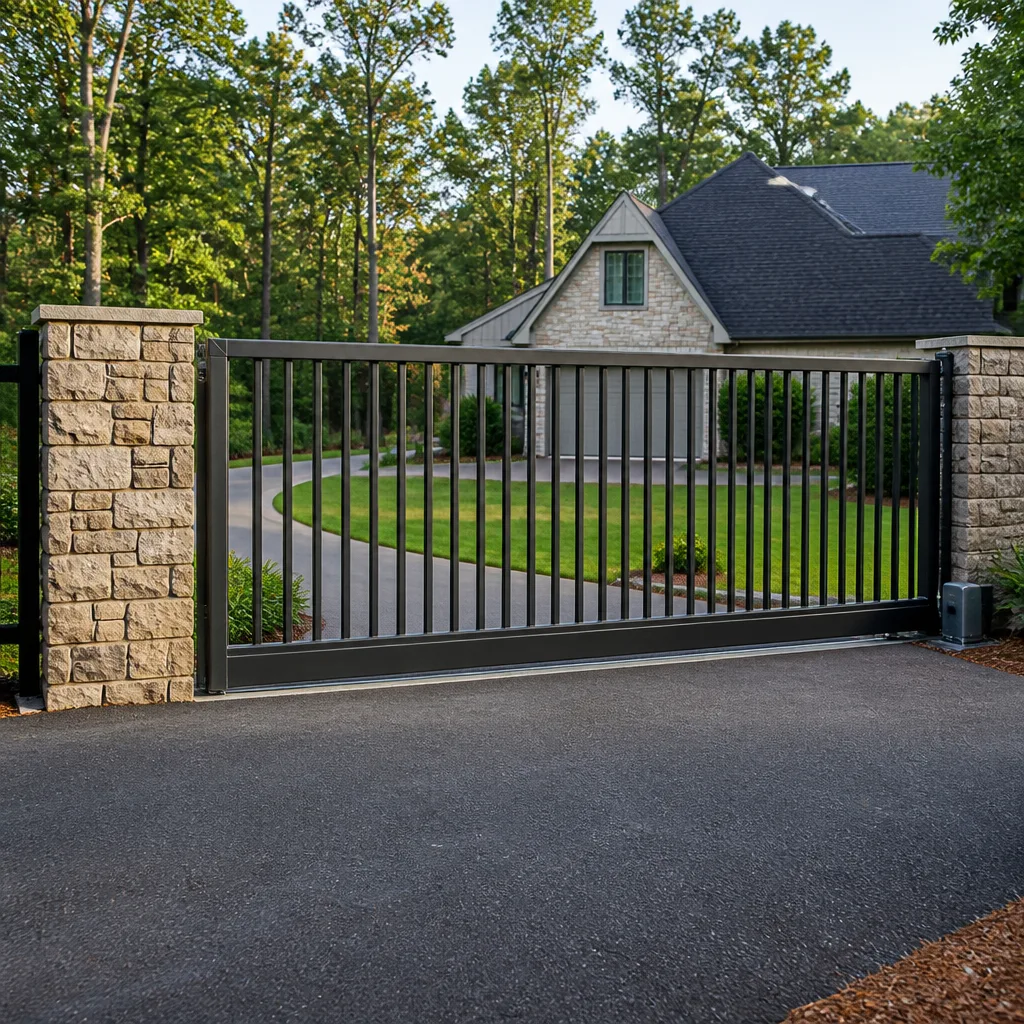 Sliding driveway gates
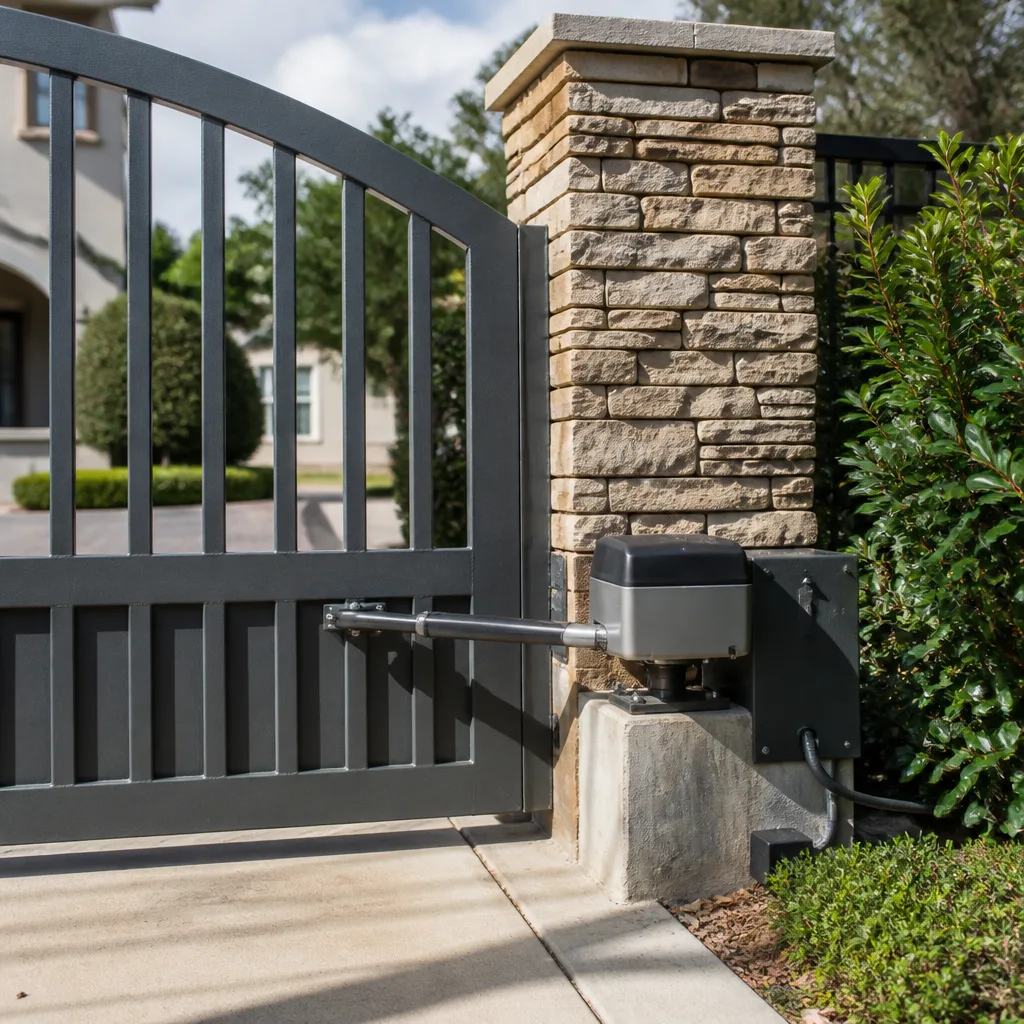 LiftMaster operators
Free on-site gate assessment - hinges, posts, and your LiftMaster or Nice gate operator checked before anything is quoted
The assessment is free and the quote is the invoice.
Get your free estimateGate Repair Warning Signs: A Citrus Heights Homeowner’s Reference Guide
A gate that hesitates before opening isn’t being quirky. It’s showing you the early stage of operator motor strain or obstruction sensor drift, both of which have a predictable endpoint if left alone. Most gate failures in Citrus Heights don’t happen suddenly. They build through a sequence of signals that homeowners either ignore or misread, treating a mechanical symptom as a cosmetic quirk until the system fails completely. This reference guide decodes those signals so you can act at the right point in the failure arc, not after it. By the time you finish reading, you’ll know exactly what your gate is trying to tell you, what it means for your repair timeline, and what to say when you call for our Gate Repair services.
Quick Answer
The most common warning signs of gate failure in Citrus Heights include grinding or clicking sounds during operation, a gate that slows down or hesitates mid-cycle, visible sagging or leaning at the hinge post, and inconsistent gaps when the gate closes. These symptoms typically appear in a predictable order across weeks or months before total failure. Catching them at the early or mid stage means a repair that costs a few hundred dollars instead of a full replacement that runs into the thousands.
Styles & brands we work with
- Wrought iron
- Wood & steel frame
- Farm & ranch
- Sliding driveway gates
- LiftMaster operators
Table of Contents
- The Failure Sequence Map: Early, Mid, and Late Warning Signs
- Manual Gates vs. Automated Gates: How Warning Signs Differ
- Sounds That Mean Something: Grinding, Clicking, Humming, and Slapping
- Visual Warning Signs You’re Probably Dismissing
- How to Keep a Warning Sign Log for Faster Diagnosis
- Citrus Heights Seasonal Factors That Accelerate Gate Wear
- Common Mistakes to Avoid
- When to Call a Professional
- Frequently Asked Questions
The Failure Sequence Map: Early, Mid, and Late Warning Signs
Every gate problem follows a progression. In our experience working on gates across Citrus Heights, we see the same sequence repeat itself on everything from a basic manual driveway gate to a full commercial entry system. Understanding where your gate sits on this sequence tells you how urgent the repair is and roughly what it will cost to fix.
Stage 1: Early Warning (Weeks to Months Before Failure)
Early-stage symptoms are easy to dismiss because the gate still works. It opens. It closes. Life goes on. But if you’re paying attention, you’ll notice:
- Slight hesitation when the gate starts moving. A half-second pause that wasn’t there before. On electric gates, this often points to operator motor strain or a capacitor starting to degrade.
- A new sound, however faint. A soft squeak, a light click, a barely-there grind. Your gate should be quiet. Any new sound is a component asking for attention.
- Gate touches the ground or the latch post differently. Maybe it needs a nudge to fully close, or it lands a little harder than it used to. Hinge wear is usually the culprit at this stage.
- Remote range getting shorter. You now have to be 15 feet from the gate instead of 40. This suggests antenna or receiver degradation in the operator.
At this stage, repairs are typically simple and inexpensive. A hinge adjustment, a sensor realignment, a new capacitor. This is the cheapest point in the failure arc to act, and it’s the point most homeowners miss.
Stage 2: Mid-Stage Warning (Days to Weeks Before Failure)
By mid-stage, the gate still works, but you’re noticing the problem. It’s no longer something only a careful observer would catch. Symptoms at this stage include:
- Visible slowing during operation. The gate moves at 60 percent of its normal speed. On automated gates, this often means the operator motor is working harder than it should be.
- Inconsistent stopping points. The gate stops a few inches short of fully closed sometimes, or over-travels and bounces back. Limit switch drift or obstruction sensor misalignment is the usual cause.
- Increased noise level. What was a faint sound is now obvious. Grinding, clicking, or a rhythmic thump that follows the gate’s movement.
- The gate sags visibly. You can see the gap at the top of the latch post is wider than at the bottom. The gate is leaning off its hinges.
Mid-stage is when most Citrus Heights homeowners call us. The gate is still operational, but the writing is on the wall. Repairs at this point usually involve component replacement rather than adjustment, which costs more but avoids a full system failure.
Stage 3: Late-Stage Warning (Hours to Days Before Failure)
Late-stage symptoms are impossible to ignore. The gate barely functions, and you’re actively managing the problem rather than observing it:
- Gate stops mid-cycle. It starts, moves a few feet, and stops. You have to press the button again or manually push it into place.
- Operator motor runs but gate doesn’t move. The classic sign of a stripped gear or a broken drive chain. The motor is spinning; the gate is not.
- Loud grinding or slapping during every operation. Metal-on-metal contact that’s degrading components every time the gate moves.
- The gate won’t latch or won’t close completely. It leaves a gap you could walk through, or it won’t stay shut.
At this stage, you’re one operation away from total failure. If the gate is your primary security barrier, you’re also one night away from an unsecured property. Call for repair immediately.
Stage 4: Total Failure (The Thing You Were Meant to Avoid)
Total failure is exactly what it sounds like. The gate won’t move, won’t open, won’t close, or has physically separated from its hinges. By this point, what could have been a $200 hinge replacement at Stage 1 is now a $2,500 full gate replacement at Stage 4. The sequence is predictable. The cost of ignoring it is not.
Manual Gates vs. Automated Gates: How Warning Signs Differ
One of the biggest gaps in gate repair information online is the failure to distinguish between manual and automated systems. They fail differently, they warn differently, and they need different repair approaches. Here’s what to watch for in each.
Manual Gate Warning Signs
Manual gates are mechanically simpler, which means fewer components to fail but also fewer places to hide a problem. Warning signs tend to be physical:
- Increased resistance when you push or pull the gate. If it takes noticeably more effort to move the gate than it did six months ago, your hinges are binding or the gate has shifted on its post.
- The gate doesn’t stay where you put it. You open it halfway, and it swings closed or open on its own. This means the gate is out of plumb or the post is leaning.
- Metal-on-metal squealing from the hinge area. Lubrication can temporarily quiet this, but the underlying wear is still there.
- Visible rust or pitting at weld points. In Citrus Heights, we don’t see as much rust as coastal communities, but morning fog and winter rain still take a toll, especially on older steel gates.
A manual gate in good condition should move smoothly with one hand and stay put wherever you leave it. If either of those statements is no longer true, you have a warning sign.
Automated Gate Warning Signs
Automated gates add an electric operator, safety sensors, control boards, and remote receivers to the mechanical gate system. That means more warning signs, and they’re more varied:
- Intermittent operation. Sometimes the remote works, sometimes it doesn’t. This can point to receiver issues, wiring problems, or a failing control board.
- The gate reverses unexpectedly. It starts to close, then reverses as if it hit an obstruction when nothing is there. The obstruction sensor is drifting out of alignment or failing.
- Battery backup warnings. The operator beeps or flashes a diagnostic code. Each brand has its own code system: FAAC operators use flashing light sequences, BFT uses LED blink patterns, and LiftMaster displays numeric codes. Learn what your brand’s codes mean.
- The operator hums but doesn’t move the gate. Motor is running, drive mechanism is not engaging. This is late-stage failure.
Automated gates also present warning signs during power outages. If your gate’s battery backup doesn’t kick in when the power drops, the battery is at end of life. In Citrus Heights, where summer brownouts and winter storm outages both occur, a dead backup battery leaves you either locked out or locked in.
Sounds That Mean Something: Grinding, Clicking, Humming, and Slapping
Your gate talks to you. Most people just don’t know the language. Here’s a translation guide for the four sounds we hear most often on service calls in Citrus Heights.
Grinding
Grinding is metal-on-metal contact, and it never belongs in a healthy gate system. On manual gates, grinding at the hinge means the pin and barrel are wearing against each other, usually because the gate is slightly misaligned and putting uneven pressure on the hinge. On automated gates, grinding often comes from the operator’s internal gear train, especially on chain-drive systems like older Viking or DoorKing units. A stripped or slipping gear grinds because the teeth are partially engaged. Left alone, the grinding gets louder and the gear fails completely.
Clicking
A single click when the gate starts or stops is often normal, it’s a relay engaging or disengaging. A repeated clicking during operation is not. Rapid clicking on a Linear or LiftMaster operator often means the capacitor is failing and the motor is trying to start but can’t. Clicking from the control board area can indicate a relay chattering, which usually points to a voltage problem on the board. One click is fine. Five clicks is a warning.
Humming
A low hum when you press the button but the gate doesn’t move is the sound of a motor getting power but not turning. On BFT and FAAC operators, this is classically a capacitor failure. The capacitor provides the initial jolt of power to start the motor spinning. When it fails, the motor hums but can’t start. Replacing a capacitor is a relatively inexpensive repair, but continuing to hold the button and let the motor hum will burn out the motor itself, which is not inexpensive.
Slapping
Slapping is the sound of a chain or belt hitting something it shouldn’t. On automated gates with a chain drive, a loose chain slaps against the operator housing or the gate frame as it cycles. This is a tension problem, and it’s causing wear on every component the chain touches. On manual gates, a slapping sound often means a latch or drop rod is loose and banging against the gate when it moves. Both are worth fixing quickly. The chain one especially, because a thrown chain at full speed can damage the operator, the gate, and anything nearby.
If you’re hearing a sound you can’t identify, record it on your phone before you call for Gate Repair in Citrus Heights. A 10-second recording tells us more than a 10-minute description.
Visual Warning Signs You’re Probably Dismissing
Some of the most important warning signs don’t make any sound at all. They show up visually, and they’re easy to walk past every day without registering. Here are four visual signals that deserve your attention.
1. Paint Bubbling at Welds
When paint bubbles or lifts at a weld point, water is getting under the coating and reaching the metal. That’s the beginning of rust, and rust at a weld is structural, not cosmetic. Once the weld begins to corrode, the gate’s integrity is compromised at exactly the point where stress concentrates. A bubble the size of a dime is a $50 touch-up. A rusted-through weld is a new gate.
2. Slight Lean at the Hinge Post
Stand back and look at your gate post. Is it perfectly vertical? A lean of even a few degrees means the post’s footing is shifting or the post wasn’t set deep enough when it was installed. Citrus Heights has expansive clay soil in many areas. It swells when wet and shrinks when dry, which moves posts over time. A leaning post makes the gate bind, which transfers stress to the hinges and the operator. The longer the lean continues, the more components wear as a result.
3. Gap Inconsistency on Close
When the gate is closed, the gap between the gate and the latch post should be the same at the top and the bottom. If the top gap is wider, the gate is sagging. If the bottom gap is wider, the gate is lifting, which usually means the hinges are pulling away from the post. Either way, the geometry of the gate has changed, and the latch, hinges, and operator are all working outside their design parameters.
4. Tire Marks or Scrape Marks on the Gate or Ground
If you see scrape marks on the ground under the gate’s arc, or tire marks on the gate itself, something has hit it. Maybe you backed into it with the truck. Maybe a delivery driver clipped it. Either way, a gate that’s been hit is a gate that’s been structurally stressed, even if the damage looks minor. Hairline cracks at weld points or a frame that’s slightly out of square may not be visible immediately, but the damage is there.
How to Keep a Warning Sign Log for Faster Diagnosis
When you call a gate technician, the first question is usually “what’s it doing?” Most homeowners answer with something vague: “it’s making a weird noise” or “it doesn’t work right.” A warning sign log changes that conversation. It gives us a diagnostic head start, reduces the time we spend on your property, and often reduces the repair bill because we arrive knowing what to look for.
Here’s how to keep one. It takes two minutes a week.
- Pick a format. A note on your phone, a small notebook by the gate, a spreadsheet. Whatever you’ll actually use.
- Log the date and the symptom. Include three details: what happened, what it sounded or looked like, and how long it lasted. “Tuesday, gate hesitated about 2 seconds before opening, low hum for a moment, then normal” is a perfect entry.
- Log the weather. Citrus Heights heat affects gate electronics and mechanical components. A symptom that appears only on 100-degree days points to a different problem than one that appears only after rain.
- Log anything you did. Lubricated hinges, adjusted the remote, changed a battery. This tells us what has already been tried and what might have changed.
- Track frequency. Once a week or every time you use the gate? A symptom that’s getting more frequent is moving along the failure sequence.
- Share the log when you call. Read it to the technician or hand it over when we arrive. It’s genuinely useful diagnostic information.
A well-kept warning sign log is the difference between a 45-minute diagnosis and a two-hour one. It also helps you decide when the problem has graduated from “keep an eye on it” to “call someone.” If the same symptom appears three times in a week, that’s your cue to make the call.
Citrus Heights Seasonal Factors That Accelerate Gate Wear
Citrus Heights has a specific climate pattern that affects gates in ways homeowners don’t always connect. Summer heat, winter rain, and the soil conditions in between all play a role in how quickly your gate wears and what warning signs appear.
The Summer Heat Problem
Citrus Heights regularly sees summer temperatures above 95 degrees, with stretches over 100. That heat does two things to automated gates. First, it accelerates capacitor degradation inside the operator. Capacitors are rated for specific temperature ranges, and sustained heat shortens their lifespan. This is why we see a spike in “the gate hums but won’t move” calls every July and August across Citrus Heights neighborhoods like Birdcage Heights and Arcade Creek. Second, metal gates expand in the heat, which can change clearances and make an already-misaligned gate bind more noticeably.
The Winter Rain Problem
Winter rain in Citrus Heights is moderate compared to the Sierra foothills, but it’s enough to cause problems. Water gets into control boxes if seals are worn, causing corrosion on circuit boards and relays. Moisture combined with Sacramento Valley fog creates the conditions for rust on unprotected steel. Gates with chipped paint or exposed welds are especially vulnerable.
The Soil Movement Problem
Citrus Heights sits on soil that expands and contracts with moisture cycles. The clay-rich soil in areas like Sunrise Ranch and Sylvan Old Auburn Road swells during winter rains and shrinks during summer drought. This movement shifts gate posts gradually over years. The result is a gate that slowly goes out of alignment, placing stress on hinges, latches, and operator components. A gate that was perfectly level three years ago may be fighting its own hinges today, and the warning signs are the sagging, the binding, and the uneven gaps we covered earlier.
What This Means for You
These seasonal factors mean gate problems in Citrus Heights tend to follow patterns. Electrical issues surface in summer. Alignment issues surface after winter rains. If your gate starts acting up at a time of year, the season itself is a diagnostic clue. Mention it when you call for Electric Gate Repair in Citrus Heights, because it helps us narrow down the cause before we even arrive.
Common Mistakes to Avoid
- Ignoring new sounds because the gate still works. Every sound your gate makes is information. When you ignore the early warning sounds, you’re choosing to deal with the late-stage consequences instead. A gate that works today but grinds every cycle is not a working gate, it’s a gate in the process of breaking.
- Using WD-40 or household spray lubricants on gate hinges. Spray lubricants wash away the heavier grease that gate hinges actually need. They provide a few days of quiet and then leave the hinge drier and more prone to wear than before. Use a proper lithium-based grease or have a professional service the hinges.
- Holding the button or remote when the operator hums but doesn’t move. If the gate doesn’t move when you press the button, holding the button longer will not help. It will overheat the motor and turn a capacitor repair into a full operator replacement. Press once. If nothing happens, call for service.
- Manually forcing an automated gate that’s stuck. If the operator won’t move the gate, forcing it manually without disengaging the operator can damage the drive mechanism. Most operators have a manual release handle. Use it, or call a professional who knows how.
- Adjusting the obstruction sensor yourself without knowing the brand’s adjustment procedure. Different brands use different adjustment methods and sensitivity settings. BFT sensors adjust differently than Viking sensors. An incorrect adjustment can leave the gate unsafe or cause constant false reversals.
- Waiting until the gate fails completely to call for repair. Total failure is always more expensive than preventive repair. Every stage of the failure sequence costs less than the stage after it. The cheapest time to call is the day you first notice something wrong.
When to Call a Professional
Some gate repairs are genuinely simple, and a handy homeowner can handle them. Replacing a remote battery, tightening a loose latch screw, clearing debris from the gate track. But the warning signs we’ve covered in this guide are not DIY territory for most people. If your gate is grinding, sagging, hesitating, making electrical sounds, or showing any mid to late-stage symptom, call a professional. The repair will be cheaper now than it will be after the component fails completely, and a gate specialist can identify the root cause rather than just treating the symptom. Gate Repair Citrus Heights offers free estimates in Citrus Heights, call (877) 752-5078 to schedule one. We specialize exclusively in gates, which means the technician who arrives at your door has diagnosed your specific problem hundreds of times before.
Frequently Asked Questions
Gate repair in Citrus Heights typically costs between $150 and $850 depending on the component and the stage of the problem. Early-stage repairs like hinge adjustments or sensor realignment run $150 to $300. Mid-stage component replacements like capacitors, limit switches, or receiver boards run $300 to $600. Late-stage repairs involving operator replacement or structural work on the gate itself run $600 to $2,500 or more. The quote is always agreed upon before any work starts. Call (877) 752-5078 for a free estimate on your specific gate.
The most common gate problems we see in Citrus Heights are operator capacitor failures from summer heat, hinge wear from seasonal soil movement shifting gate posts, obstruction sensor drift causing false reversals, and chain tension loss on automated gates. These four issues account for the large majority of our service calls, and all four produce distinct early warning signs that most homeowners miss.
A well-maintained gate operator in Citrus Heights typically lasts 8 to 12 years, but summer heat can shorten that to 5 to 7 years on units that are installed in direct sun without any shade protection. The capacitor usually fails first, often around year 4 or 5, which is an inexpensive repair relative to replacing the entire operator. Brands like FAAC and BFT tend to hold up well in our climate when properly maintained.
In most cases, yes. Early and mid-stage repairs are usually completed in a single visit, often the same day you call. Late-stage repairs that require ordering a specific operator model or custom gate component may take a few days for the part to arrive. If you’re calling about a gate that won’t close and you need your property secured tonight, let us know when you call, and we’ll prioritize your service.
We work on nine major gate and operator brands including LiftMaster, FAAC, BFT, Linear, Viking, Ghost Controls, DoorKing, Elite, and Mighty Mule. That covers most residential and commercial gate systems in the Citrus Heights area. If you have a brand not on that list, call us anyway, and we’ll tell you honestly whether we can service it. We specialize exclusively in gates, so whatever brand is on your gate, there’s a good chance we know it.
That depends on the condition of the gate’s frame and structure. If the gate itself is structurally sound and the problem is in the operator, hinges, or electronics, repair is almost always the better value. If the gate frame is rusted through at the welds or the post is leaning beyond adjustment, replacement is the smarter investment. We’ll give you an honest assessment and walk you through the cost difference between repair and replacement before you commit to anything. Learn more about Gate Installation in Citrus Heights if replacement is the right call.
The Bottom Line
Your gate tells you when it’s failing. The hesitation, the grinding, the sagging, the clicking, these are not random quirks. They are a sequence, and the sequence has a predictable endpoint. Learn to read the signals, keep a log, and act when the problem is still in its early stages, and explore more guides & resources to stay ahead of gate issues. A capacitor replacement in July costs a fraction of what an operator replacement costs in September. A hinge adjustment today costs a fraction of what a sagging gate post repair costs next year. The gate is going to tell you what it needs. The only question is whether you’re listening.
If you’ve noticed any of the warning signs in this guide, don’t wait for the next stage of the failure sequence. Call Gate Repair Citrus Heights at (877) 752-5078 for a free estimate, or visit our Gate Repair Citrus Heights home page to learn more about what we do. We work exclusively on gates, from manual hinges to full electric entry systems, and we’ll give you a straight answer about what your gate needs and what it will cost.
Written by the team at Gate Repair Citrus Heights, serving Citrus Heights since 2018.
See the difference
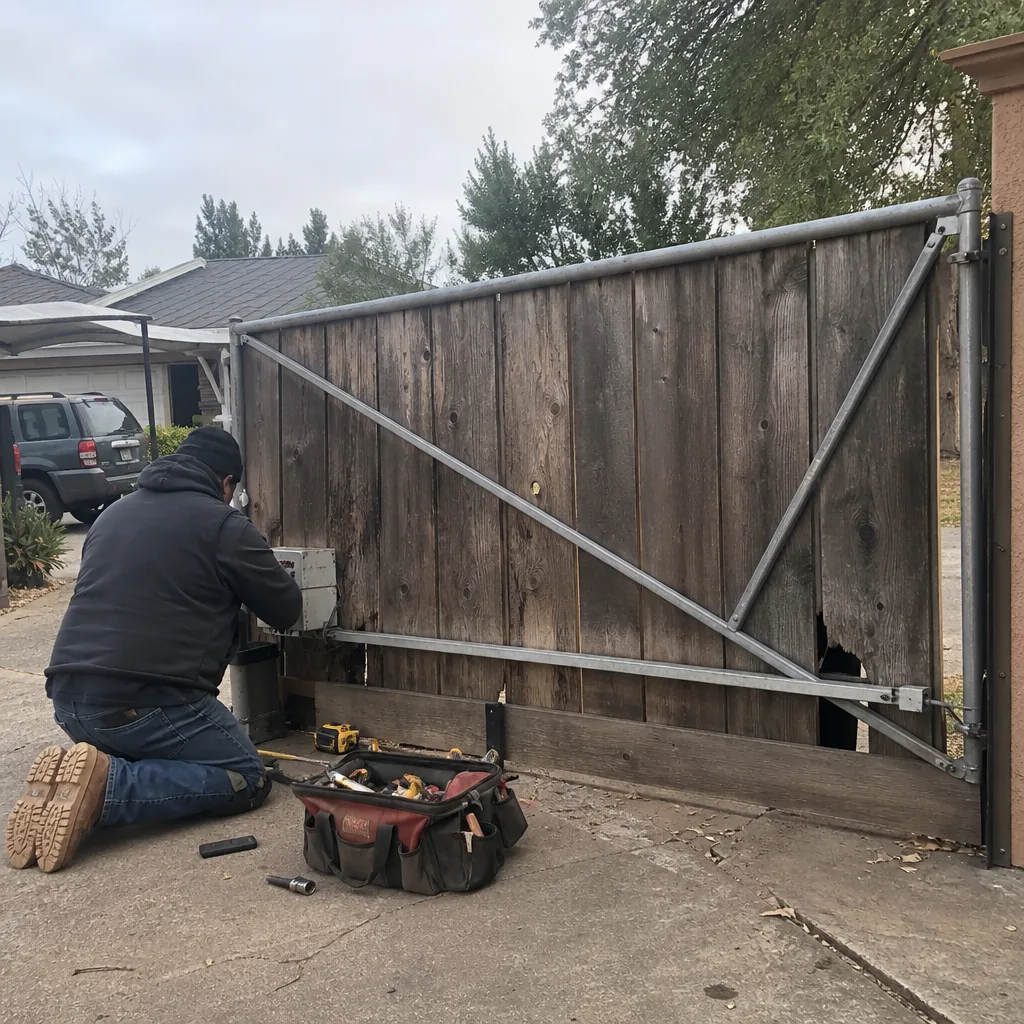 Before
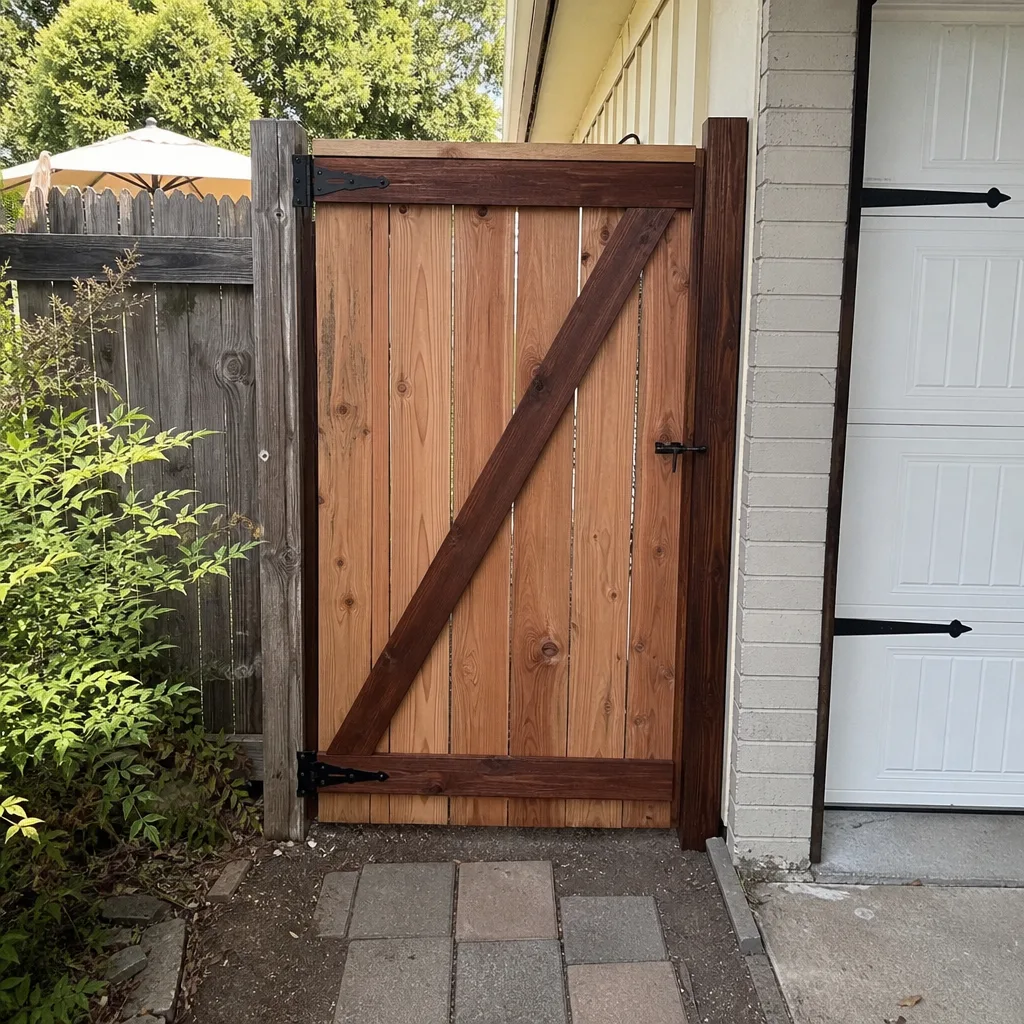 After
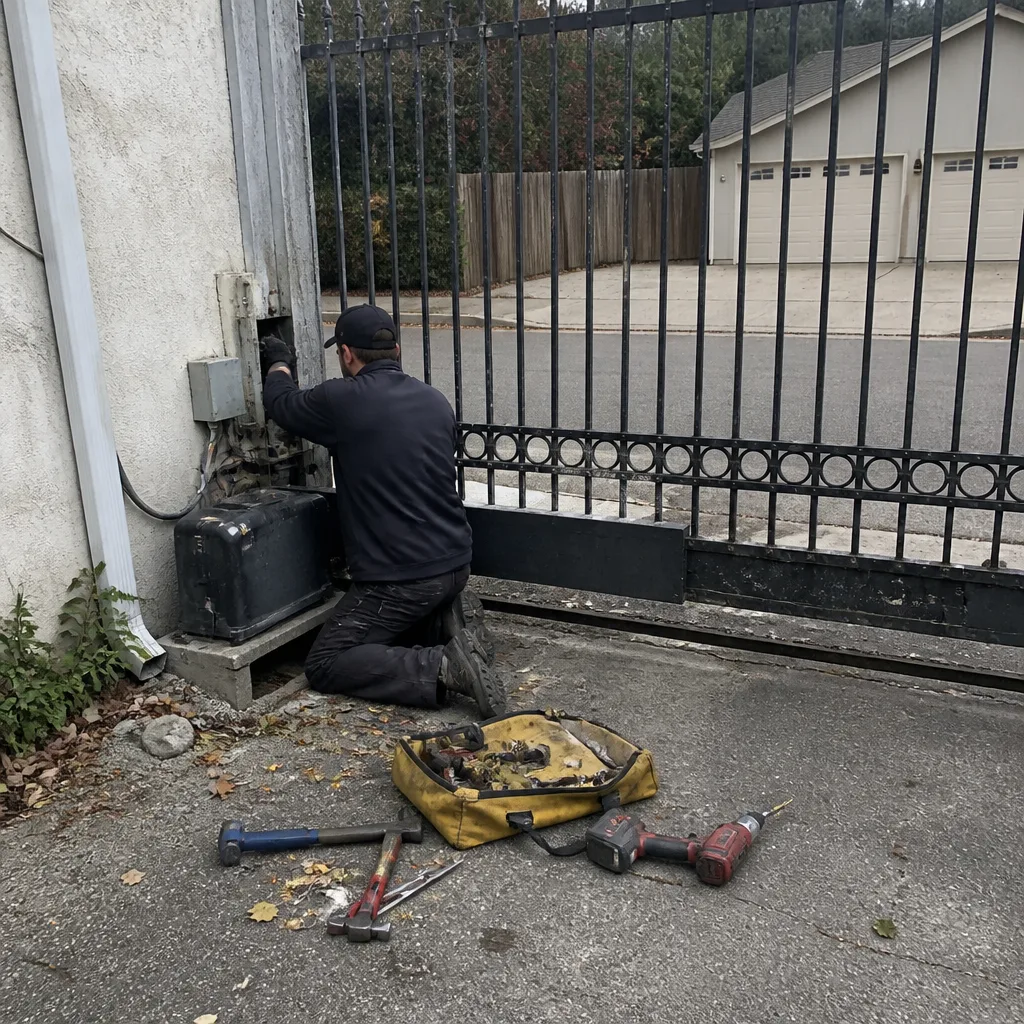 Before
 After
 Before
 After