
Last updated November 2, 2026
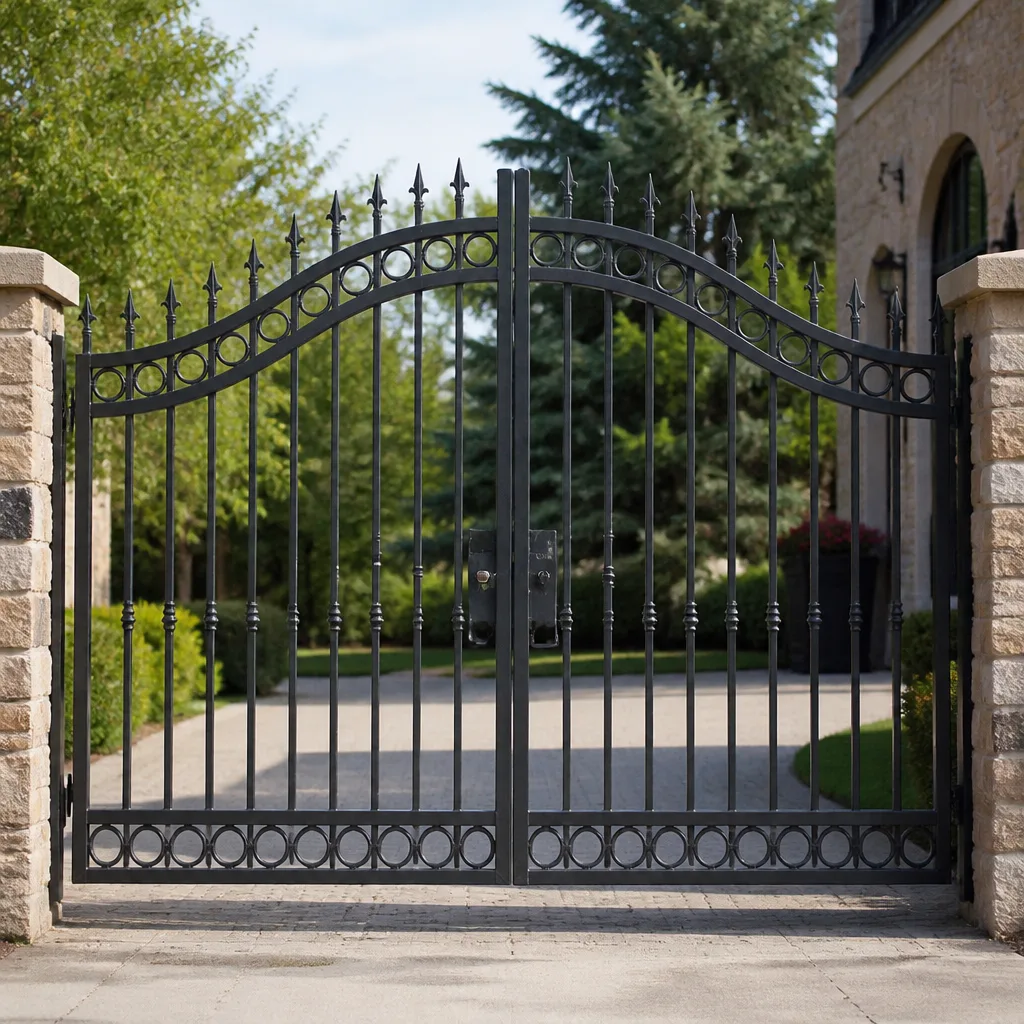 Wrought iron
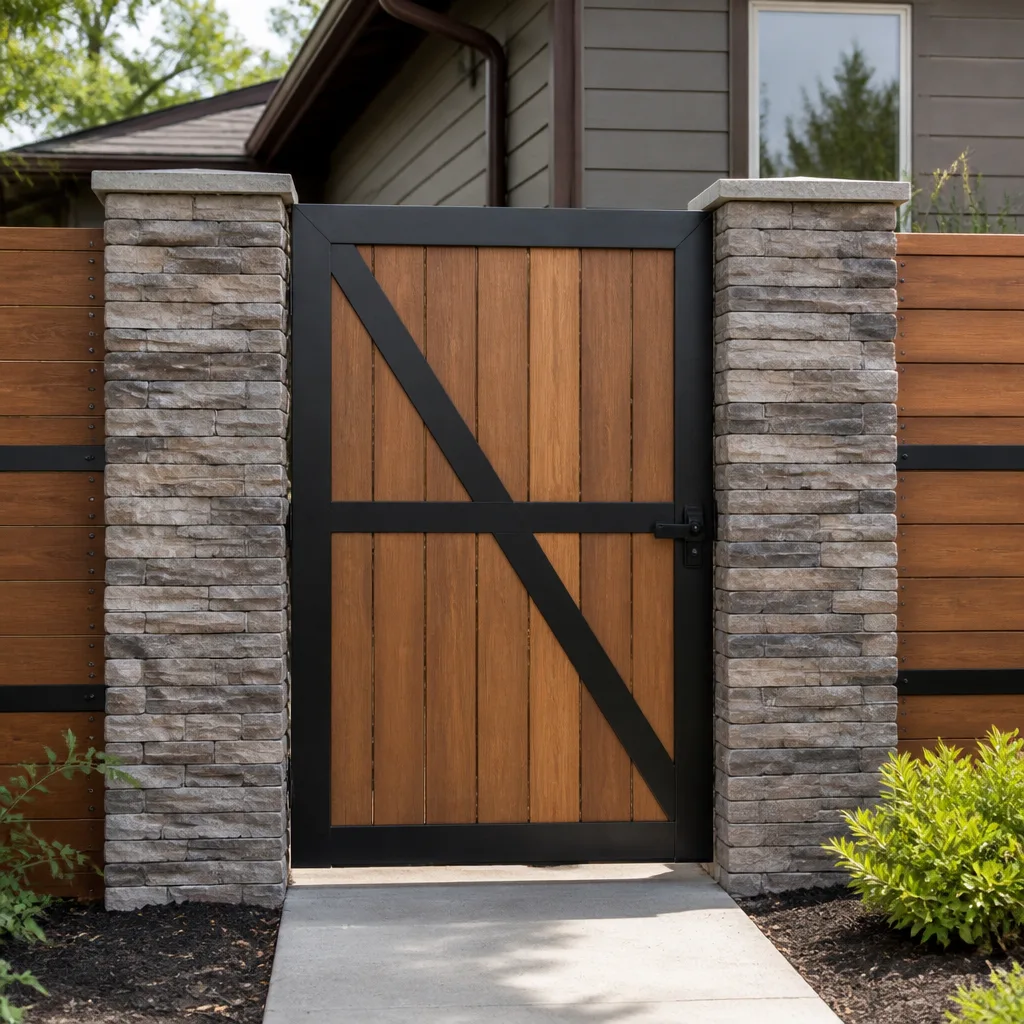 Wood & steel frame
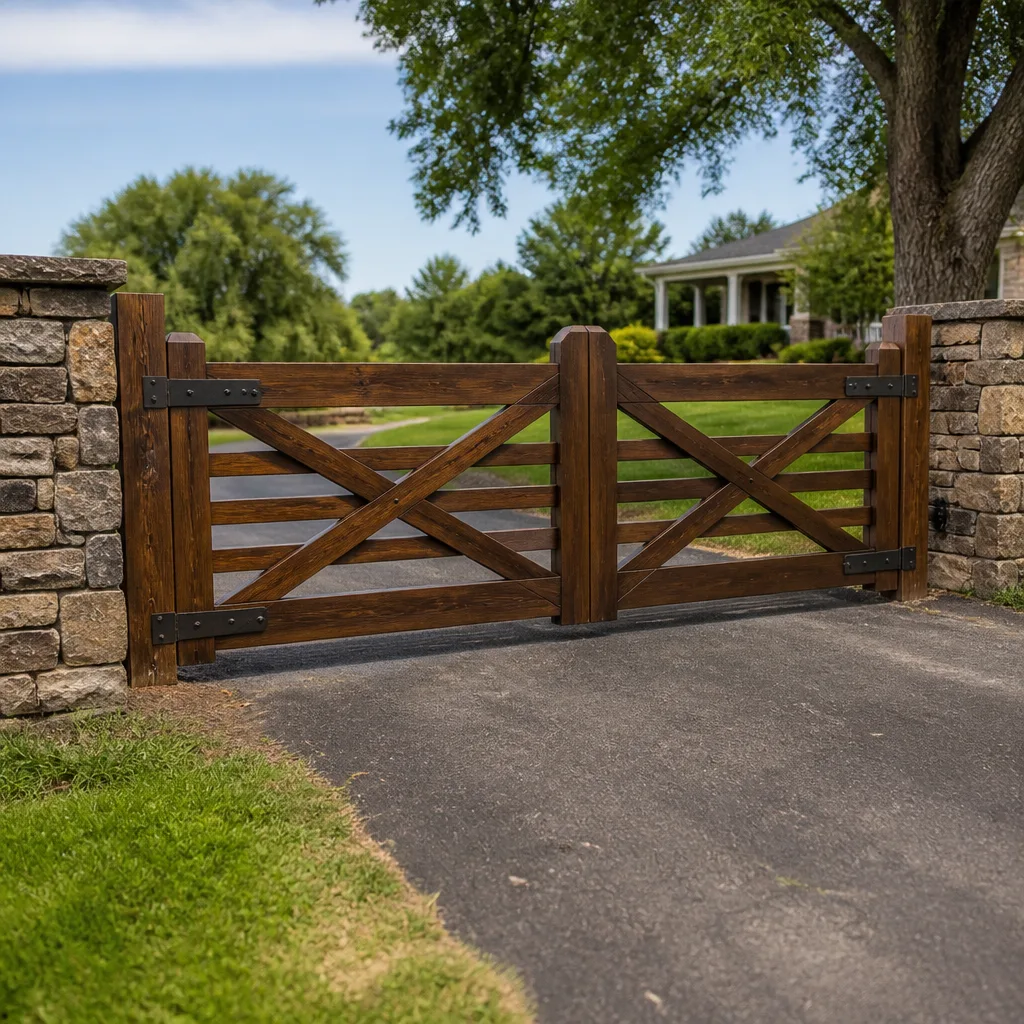 Farm & ranch
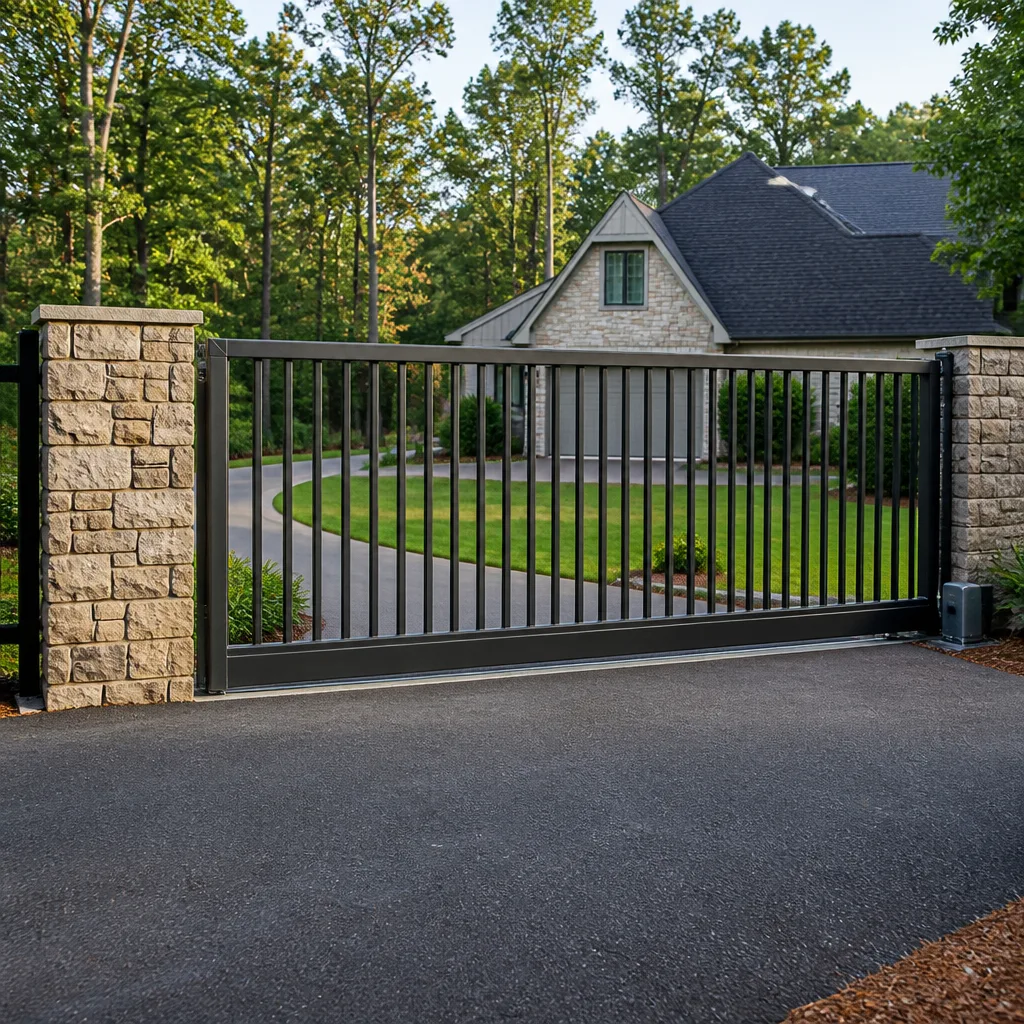 Sliding driveway gates
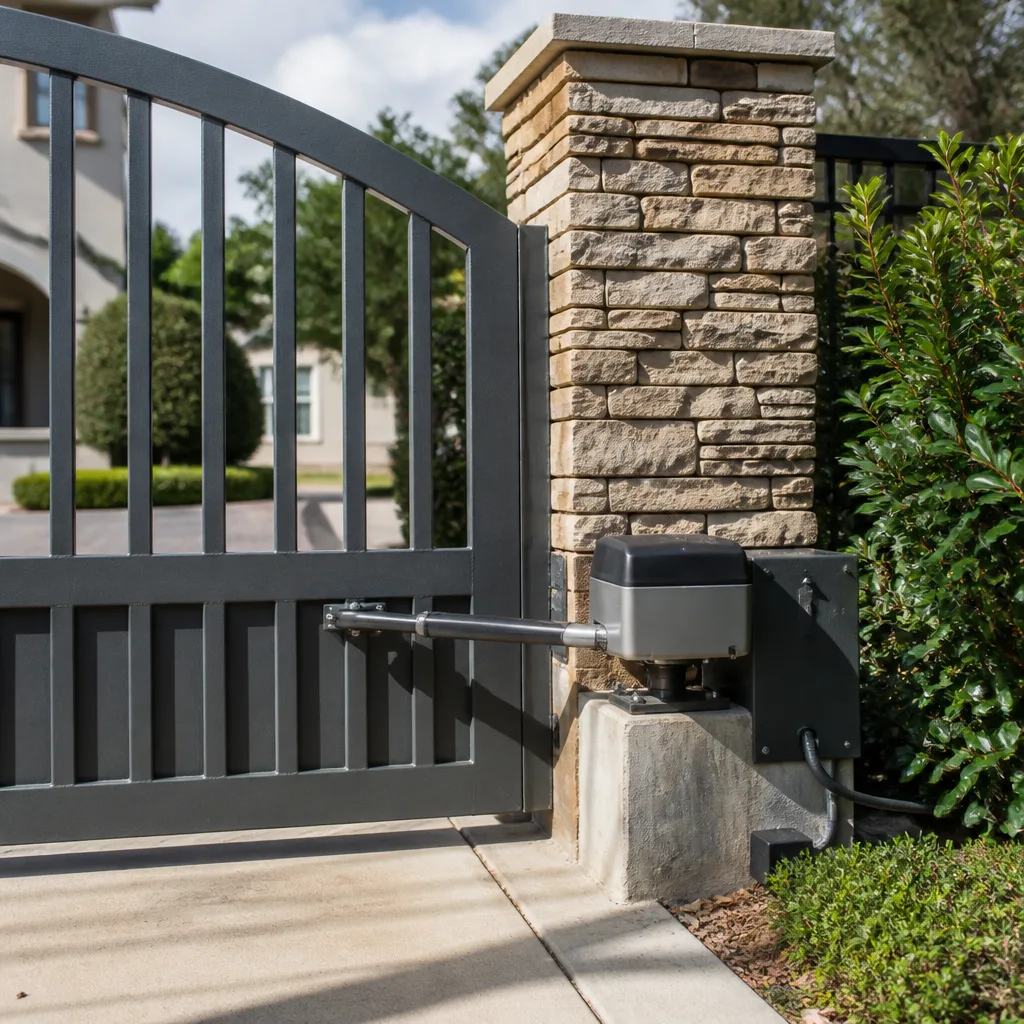 LiftMaster operators
Free on-site gate assessment - hinges, posts, and your LiftMaster or Nice gate operator checked before anything is quoted
The assessment is free and the quote is the invoice.
Get your free estimateSeasonal Gate Repair Care for Citrus Heights: Year-Round Homeowner’s Guide
Most gate failures in Citrus Heights don’t happen when you’d expect them. They happen in August, when a circuit board that spent March soaking up moisture inside an overheated operator housing finally gives out. Or in late September, when a slide gate track packed with five months of dust and pollen binds a roller and shears the drive gear. The repairs that pile up in Citrus Heights during the hottest months were almost always preventable. They start as micro-corrosion and seal degradation during the spring wet season that goes unaddressed until the heat accelerates the failure. This guide maps gate maintenance to what the local climate actually does to metal, wood, and electronics throughout the year. By the time you finish reading, you’ll know exactly what to check each season, which single task prevents the most expensive repair, and when to stop troubleshooting and call in a specialist.
Styles & brands we work with
- Wrought iron
- Wood & steel frame
- Farm & ranch
- Sliding driveway gates
- LiftMaster operators
Quick Answer
Seasonal gate care in Citrus Heights means adapting to four distinct stress cycles: moisture intrusion from winter and spring rain, sustained triple-digit summer heat that cooks electronics and accelerates corrosion, fall dust that fouls slide gate tracks and hinges, and occasional winter freeze events that attack water-exposed welds. The most effective schedule is a focused 30-minute inspection at the start of each season, addressing moisture in spring, thermal protection in summer, track and hinge cleaning in fall, and seal inspection in winter. Consistent seasonal attention prevents roughly 80% of the major gate failures we see, so our Gate Repair in Citrus Heights service can focus on the unexpected rather than the neglected.
Table of Contents
- Spring: Post-Rain Inspection and Moisture Damage Control
- Summer: Heat Stress on Operators and Circuit Boards
- Fall: Dust, Debris, and Slide Gate Track Maintenance
- Winter: Freeze Events and Water-Exposed Welds
- The One Task Each Season That Prevents the Most Expensive Repair
- Manual Gates vs. Electric Gates: Seasonal Care Differences
- Common Mistakes to Avoid
- When to Call a Professional
- Frequently Asked Questions
- The Bottom Line
Spring: Post-Rain Inspection and Moisture Damage Control
Citrus Heights gets most of its annual rainfall between December and March. Homes near Arcade Creek, or any of the city’s many tree-lined streets, see the most consistent mooiré. By April, the ground around your gate posts has been saturated for weeks. That saturation is the starting point for most of the gate problems we diagnose in late spring and early summer.
Here’s what to inspect after the rainy season ends:
1. Post Base Saturation and Soil Settlement
Wooden fence posts and gate posts set in Sacramento County soil absorb a lot of water during spring. As the soil dries, it shifts. A gate that was perfectly aligned in December can drag or bind by April because the post has tilted half a degree. Check for a widening gap at the top of the gate leaves, or a scrape mark on the ground where the gate previously cleared. If the gate now drags or the latch no longer lines up, the post has moved before the gate has.
2. Hinge Rust Initiation
Steel hinges on a manual gate, or the hinge assembly on a Mighty Mule operator arm, start rusting within weeks of consistent moisture. Spring is when that rust first becomes visible as an orange-red film on the hinge pin or the mounting bracket. Address it now with a wire brush and a cold-galvanizing spray, and it’s a 20-minute fix. Let it sit through a Citrus Heights summer and the rust will set so deep the hinge may need replacement. We’ve replaced hinges on two-year-old gates that never once saw a drop of oil or a wire brush.
3. Operator Board Moisture Damage
Electric gate operators are rated for weather resistance, not weatherproofness. A LiftMaster or BFT control board inside an operator housing survives rain just fine – but not condensation. Warm spring days following cool nights create that condensation inside the housing. Moisture collects on the board, attacks solder joints, and sets up corrosion that will eventually cause erratic gate behavior. Summer heat then accelerates the damage. In our experience, electric gate repair calls that come in July and August are often the result of moisture intrusion that started in March or April.
Spring checklist summary:
- Check gate alignment after soil dries – post shift causes drag and latch misalignment.
- Inspect all hinges, brackets, and bolt heads for the first sign of rust.
- Open the operator housing and look for condensation, water stains, or corrosion on the circuit board.
- Test the gate’s full travel open and closed, listening for new grinding or scraping.
- Check the safety edge or photo eye sensitivity – water intrusion can cause false triggers.
If the spring inspection turns up a post that’s moved more than a degree, or corrosion you can’t address with hand tools, this is the time to have a gate specialist look before the heat compounds the problem. Our Electric Gate Repair in Citrus Heights service handles this exact spring scenario repeatedly – it’s the busy season for moisture damage.
Summer: Heat Stress on Operators and Circuit Boards
Citrus Heights routinely sees 100°F-plus days from June through September. The heat does two things to a gate system: it stresses every electrical component, and it accelerates every chemical reaction – including corrosion. A circuit board that spent spring accumulating moisture will fail much faster in July than it would in a milder climate.
How Sustained Heat Damages Gate Operators
Operator housings are enclosed boxes, usually metal, mounted in direct sun. On a 105°F day, the inside of that housing can reach 130°F or more. Most control boards are rated to 140°F or 158°F, so the margin is thin. Heat weakens capacitors, expands and contracts solder joints, and degrades the insulation on wiring. Over time, this leads to intermittent failures: the gate works, then doesn’t. It opens but won’t close. It fails in the afternoon but works in the morning.
What to Check Each Summer
- Verify thermal protection settings. Many operators, including FAAC and LiftMaster units, have an internal thermal cutoff that stops the motor if it gets too hot. Check that this setting is active and set to a reasonable threshold. If the gate cuts out mid-summer, let the operator cool for 20 minutes before cycling it.
- Inspect the housing vents and seals. Dust and spiderwebs clog the ventilation that allows heat to escape. Clear them with a soft brush or compressed air. If the housing gasket is cracked or brittle from sun exposure, the housing loses its weather seal and lets both heat and dust inside.
- Check any battery backup. Heat is harder on lead-acid and lithium batteries than cold. A battery that’s already been cooked will fail faster in July. Test the battery, and if the gate runs on battery backup during power cuts, make sure it still holds a charge.
- Feel the operator housing after a full cycle. It’s normal for it to be warm. It should not be too hot to touch. If it is, the ventilation is blocked or the motor is working harder than it should – likely due to a dragging gate or a misaligned track.
One summer-specific insight we’ve learned from repairing gates across Citrus Heights: the neighborhood matters. Gates along Greenback Lane or Sunrise Boulevard sit in full sun all day with zero shade. Gates under mature oaks in older neighborhoods like Sylvan get partial relief. The fully exposed gates fail first, and they fail in predictable patterns – usually the control board or the limit switch. If your gate sits in full sun, inspect it twice in summer, not once.
Fall: Dust, Debris, and Slide Gate Track Maintenance
Citrus Heights has a long, dry fall. The grass dies back, the trees drop leaves, and the prevailing winds carry dust and pollen through every open space. For a slide gate – the most common type we service – that dust accumulates in the track and on the rollers. Left alone, it builds into a grinding paste that wears the rollers flat, scores the track, and eventually strips the drive gear.
How to Clean a Slide Gate Track Without Damaging Rollers
- Remove large debris first. Pull out leaves, twigs, and visible dirt with a gloved hand or a plastic garden trowel. Don’t use a metal tool – it’ll scratch the track surface.
- Blow out the fine dust. Use a leaf blower or compressed air at low pressure. Aim from the open end of the track toward the other end, pushing the dust out rather than scattering it into the operator mechanism.
- Wipe down the rollers. Inspect each roller. If any has significant flat spots or doesn’t spin freely, note it. A flat roller will destroy the track quickly if left in place.
- Lubricate sparingly. A light silicone spray or dry graphite on the track and roller bearings. Don’t use grease – it attracts dust and creates a grinding paste. This is a common mistake, and it’s a self-inflicted one.
- Cycle the gate manually. If your gate has a manual release, run it through a full open-close cycle and listen for scraping or grinding. Feel for resistance. If it binds, the track is still dirty or a roller is worn.
For swing gates, fall’s main threat is leaf and dirt accumulation around the hinge area. Blow it out, inspect the hinges, and check the actuator arm on electric swing gates for smooth travel. A BFT or Viking swing arm covered in a season of dust and dead grass will run hotter and wear its gears faster.
Winter: Freeze Events and Water-Exposed Welds
Citrus Heights doesn’t have real winters by Midwest standards. But it does freeze. Overnight lows in December and January frequently drop to the high 20s, and those few hours below freezing matter for any gate with water trapped inside a component.
What Freeze Events Do to Gate Systems
Water expands when it freezes. Any crack or seam where water has already intruded becomes a potential failure point. The components most vulnerable:
- Hydraulic operators. Some older swing gate operators run on hydraulic fluid. Hydraulic fluid thickens in cold weather, and if any moisture has mixed into the fluid, ice crystals can form and score the internal seals. The gate may open slowly on cold mornings, then operate normally after the day warms up. That stiffness is a warning sign.
- Water-exposed welds. Any weld on the gate frame or gate post that has developed a hairline crack will trap water. When that water freezes, the ice expands the crack. After a few freeze-thaw cycles, what was a cosmetic crack becomes a structural failure. We’ve seen gates drop at the hinge weld in January – not from an impact, but from ice doing its work over repeated cold nights.
- Hinges and latches. Ice inside a hinge pin or latch mechanism can lock the gate solid in the morning. Forcing an iced-over gate is how hinges get bent and welds get broken.
Winter checklist:
- Inspect every weld on the gate frame and post – look for rust stains or hairline cracks. A rust stain usually means a crack is already there.
- Check the operator housing for any gaps where cold air and moisture can enter.
- If your gate is hydraulic, watch for slow or sluggish movement on cold mornings.
- Don’t force a gate that’s frozen shut. Wait for the sun to warm it, or direct a heat gun at the latch and hinges – never at the operator housing itself.
Winter in Citrus Heights is the best time to address structural issues, because the gate sees the least use and the mildest conditions. A weld repair done in January has months to settle before the next summer stress cycle.
The One Task Each Season That Prevents the Most Expensive Repair
If you only do one thing per season, do this. These four tasks address the highest-probability, highest-cost failures for each season in Citrus Heights.
- Spring: Open the operator housing and look for moisture. Ten minutes with a screwdriver tells you if condensation has been forming all winter. Catching moisture before the heat arrives prevents a $400 – $800 board replacement with a $10 tube of dielectric grease and a drying session.
- Summer: Clear the operator vents and confirm the thermal protection setting. A blocked vent on a 100°F day is the single fastest way to cook a control board. This is a free fix, and it’s the most common thing we find missing on summer service calls.
- Fall: Blow out the slide gate track and inspect the rollers. A track cleaning in October prevents the sheared gear and scored track repair that costs ten times as much in December.
- Winter: Inspect every weld for rust stains. A rust stain is a crack. A crack caught in winter is a $150 weld touch-up. A crack ignored until spring becomes a gate that falls off its hinges.
Manual Gates vs. Electric Gates: Seasonal Care Differences
Citrus Heights has a mix of both gate types, and the seasonal care differs more than most homeowners realize. Manual gates are pure mechanical systems: hinges, latches, perhaps a wheel or drop rod. Electric gates add an operator, control board, safety devices, and often a backup power source. The failure modes differ by season.
Manual Gates
Manual gates are vulnerable almost entirely to moisture and rust. The hinge pin corrodes, the post settles, the wood swells or warps. Spring is the critical season. Do the rust inspection in March, touch up any bare metal, and the gate will be fine for the rest of the year. If the gate starts dragging in summer, it’s almost always because the post shifted during the preceding winter, not because something broke. We see this constantly in Citrus Heights neighborhoods where clay soil expands and contracts with seasonal moisture.
Electric Gates
Electric gates carry all the vulnerabilities of manual gates plus the electronics. The seasonal focus shifts: spring is about board moisture, summer is about heat, fall is about dust in the operator and track, winter is about condensation freezes inside the housing. But the biggest difference is this: when an electric gate component fails, the entire system becomes a liability. A gate that fails open is a security gap. A gate that fails closed is a driveway blocked. Neither is a low-priority repair. Our Electric Gate Repair in Citrus Heights page covers the seasonal load on these systems in more depth.
Common Mistakes to Avoid
- Lubricating slide gate tracks with grease. Grease attracts dust. Dust turns to grinding paste. A dry silicone or graphite lubricant is the only right choice for a Citrus Heights fall.
- Ignoring a slowing gate. A gate that’s slower than it was last season is a gate telling you something. A slow hydraulic operator in winter means fluid or moisture issues. A slow chain drive in summer means heat stress. Ignoring it turns a $150 fix into a $600 operator replacement.
- Forcing a frozen gate. On a 25°F morning, a gate that won’t move is probably iced at the latch or hinge. Forcing it bends the hinge, cracks the weld, or strips the operator drive. Wait for the sun, or use gentle heat.
- Skipping the post-settlement check. After a wet Citrus Heights winter, the soil around gate posts settles. A post that shifted half an inch in spring will cause a dragging gate in summer and a broken operator by fall. Check alignment in April.
- Cleaning only the visible parts. The operator housing is where dust, insects, and condensation accumulate. Most homeowners clean the gate’s surface but never open the housing. That’s where the expensive components live.
- Treating a rust stain as cosmetic. A rust stain on a weld or hinge isn’t dirty metal. It’s evidence of a crack or a failing seal. Treat it structurally, not cosmetically.
- Running the gate with a dead safety edge. If your electric gate’s safety edge or photo eye is malfunctioning, disabling it “temporarily” is dangerous. A gate without functional safety devices can injure a person or damage a vehicle. Fix it before running the gate.
When to Call a Professional
Most seasonal maintenance is DIY-friendly. But some signs mean a specialist should take a look before the repair gets more expensive. Call a gate specialist if the gate motor growls or grinds at any point in its cycle, or if the gate now moves slower than it did a year ago. A post that’s shifted more than a visible tilt needs professional re-setting. If the operator housing shows water stains, scorch marks, or a burning smell, the board has already taken damage. And any gate that has failed open or closed – not moving at all – needs diagnosis before forced cycling damages the gears or the board. Gate Repair Citrus Heights home offers free estimates in Citrus Heights – call (877) 752-5078 for a diagnosis, and we’ll tell you honestly whether you need a repair now or whether it can wait. If the gate is beyond repair, we handle Gate Installation in Citrus Heights too, so one call covers either path.
Frequently Asked Questions
Inspect your gate at the start of each season, four times a year. The spring and fall inspections matter most because they catch moisture and dust damage before the harsher conditions set in. A full inspection takes 30 minutes if you know what to look for.
Summer circuit board failure caused by spring moisture is the most common pattern we see. Condensation collects inside the operator housing during the wet season, sits on the board, and then the summer heat accelerates the corrosion. By July or August, the gate fails intermittently or completely. Call (877) 752-5078 for a board inspection before the heat hits.
Yes. On a 105°F Citrus Heights summer day, the inside of an operator housing can reach 130°F or more. That’s within 15°F of the maximum rating for most control boards, so sustained heat weakens capacitors and solder joints even with no moisture involved. Full-sun locations like gates on south-facing lots fail more often than shaded ones.
Dry silicone spray or powdered graphite. Both lubricate without attracting dust, unlike grease, which collects the fine Citrus Heights dust and turns into a grinding paste that destroys rollers and tracks within a season or two.
Yes, specifically for gates with existing cracks or moisture intrusion. Freezing temperatures are rare but real, and overnight lows in the 20s will freeze water trapped inside cracks, hinges, or hydraulic fluid. Repeated freeze-thaw cycles widen cracks and damage seals. A welded crack caught before winter is far cheaper than a dropped gate in January.
It depends on the frame condition, the age of the operator, and whether the posts are still structurally sound. If the gate frame has rusted through at the welds or the posts are leaning more than a couple degrees, replacement may be the better long-term value. Our Gate Installation in Citrus Heights service will give you an honest assessment, and we install every type of gate we repair, so you get a single informed recommendation rather than a sales pitch.
The Bottom Line
Citrus Heights gates don’t fail randomly. They fail when seasonal stress piles up: spring moisture that never dried out, summer heat that cooked a damp circuit board, fall dust that ground down a roller, winter ice that widened a crack. Four 30-minute inspections a year, each focused on the right component for the season, will prevent most of the expensive repairs we see. The work itself is simple: look for moisture after the rains, clear vents before the heat, clean tracks when the dust settles, and check welds when the cold arrives. Do those four things and your gate will outlast most of its neighbors. For anything beyond a visual inspection or a simple cleaning, Gate Repair in Citrus Heights is one call at (877) 752-5078 – and whether it’s a Mighty Mule on a residential swing gate or a LiftMaster on a commercial slide, we know the brand and we know the fix.
Written by the team at Gate Repair Citrus Heights, serving Citrus Heights since 2018.
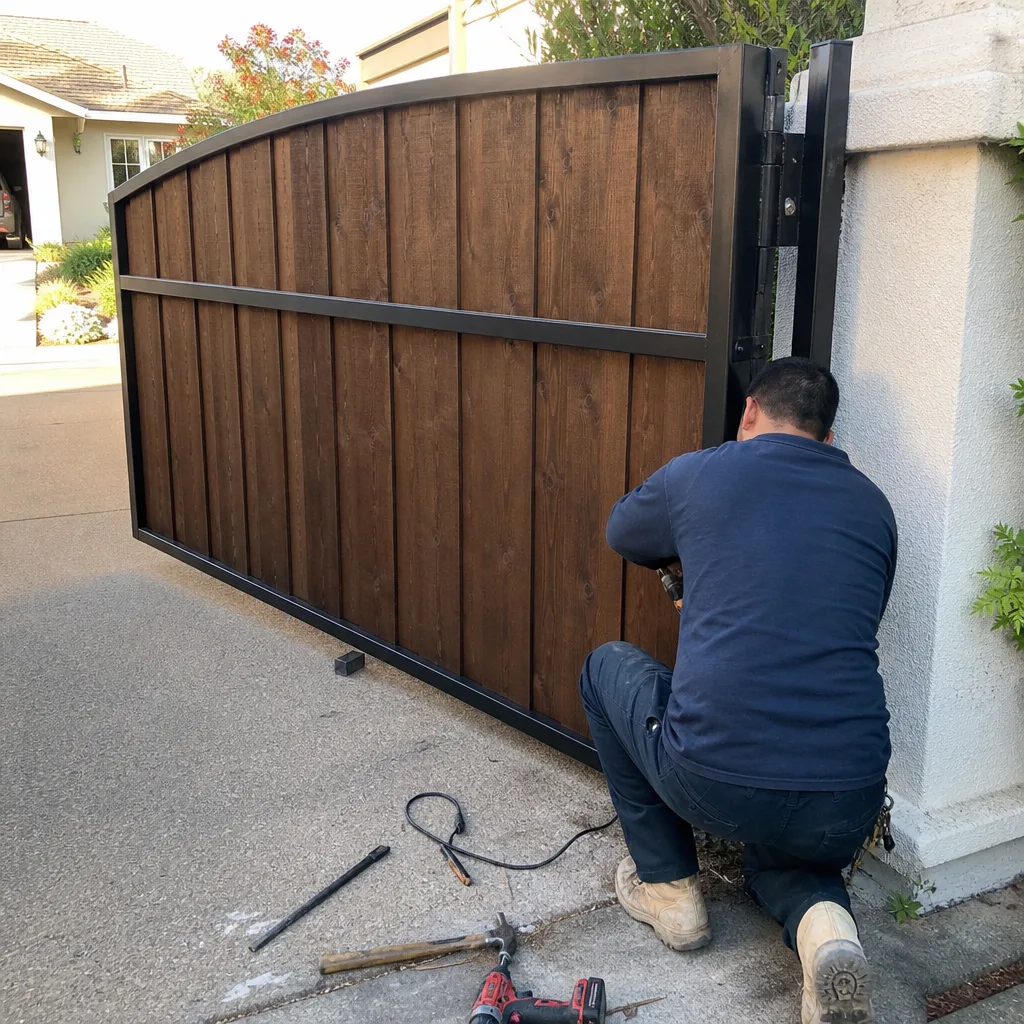
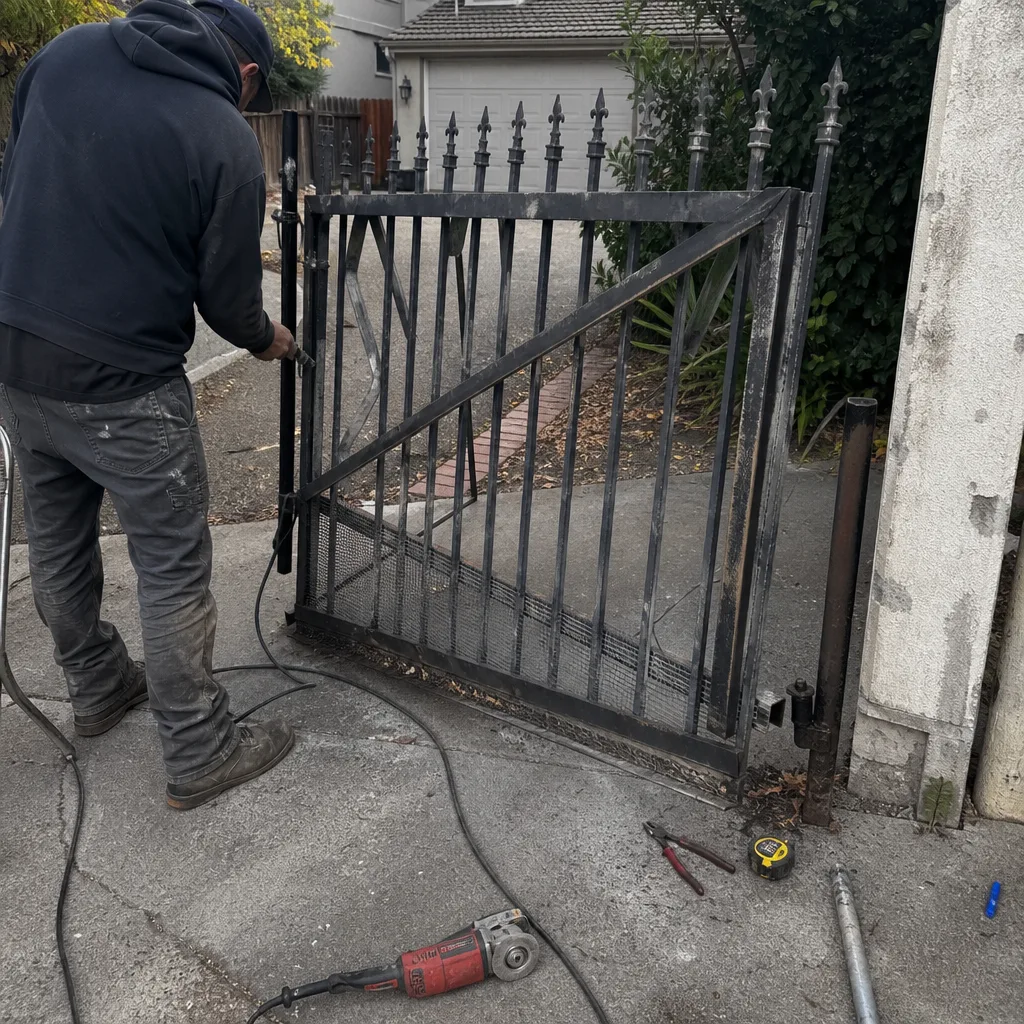
See the difference
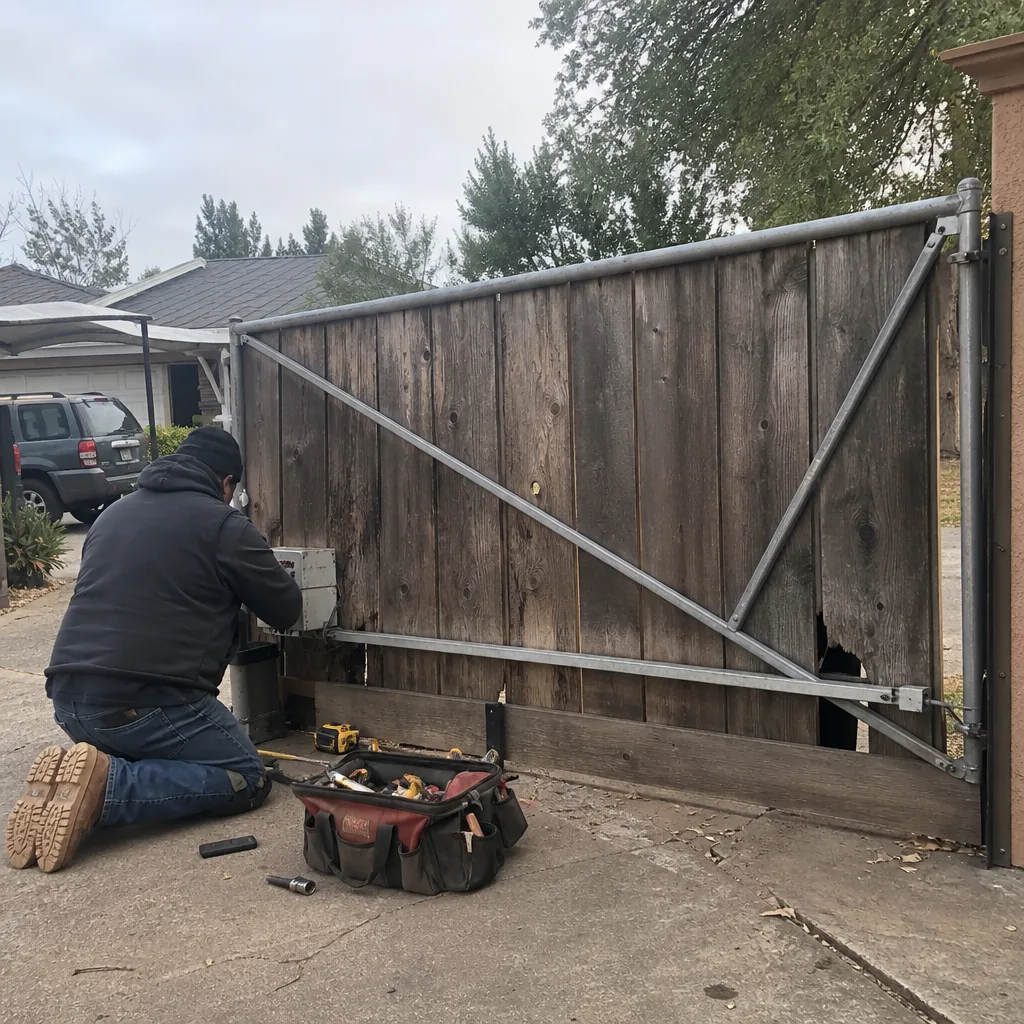 Before
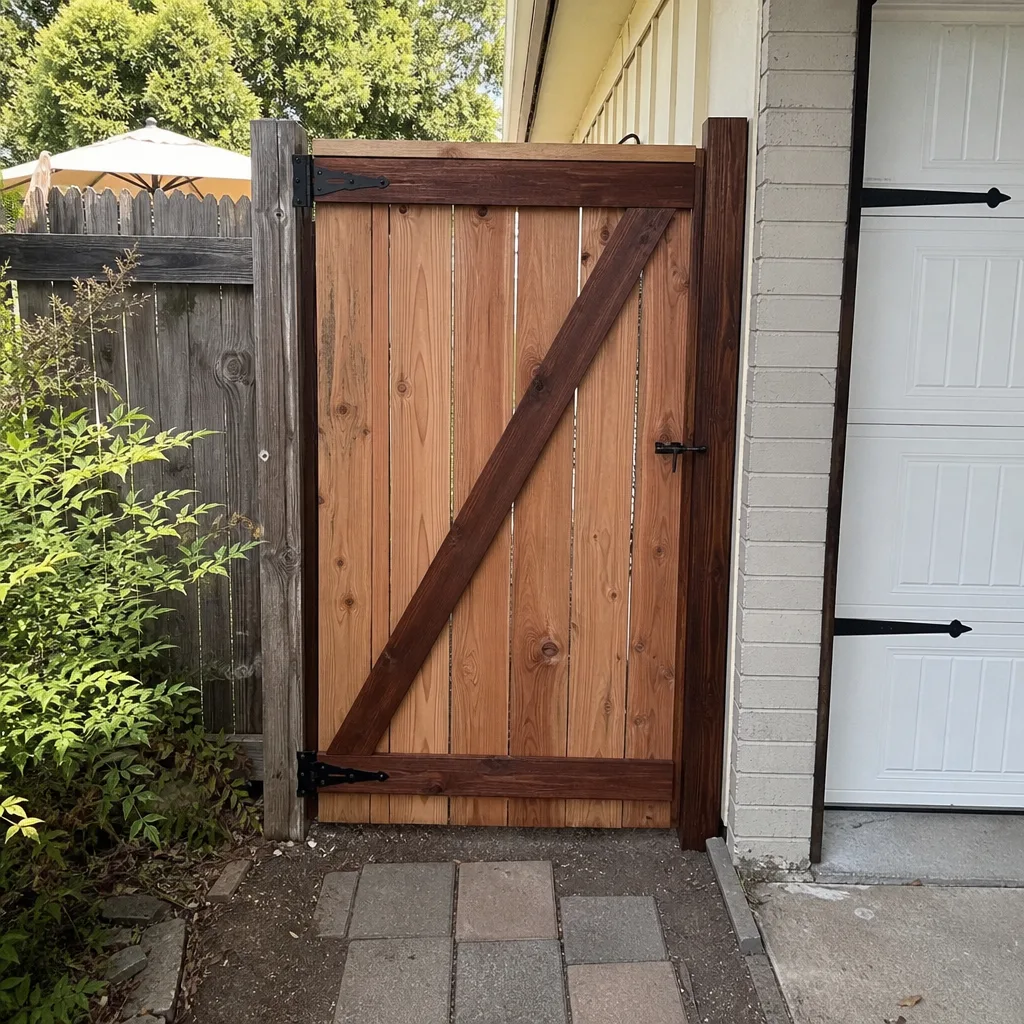 After
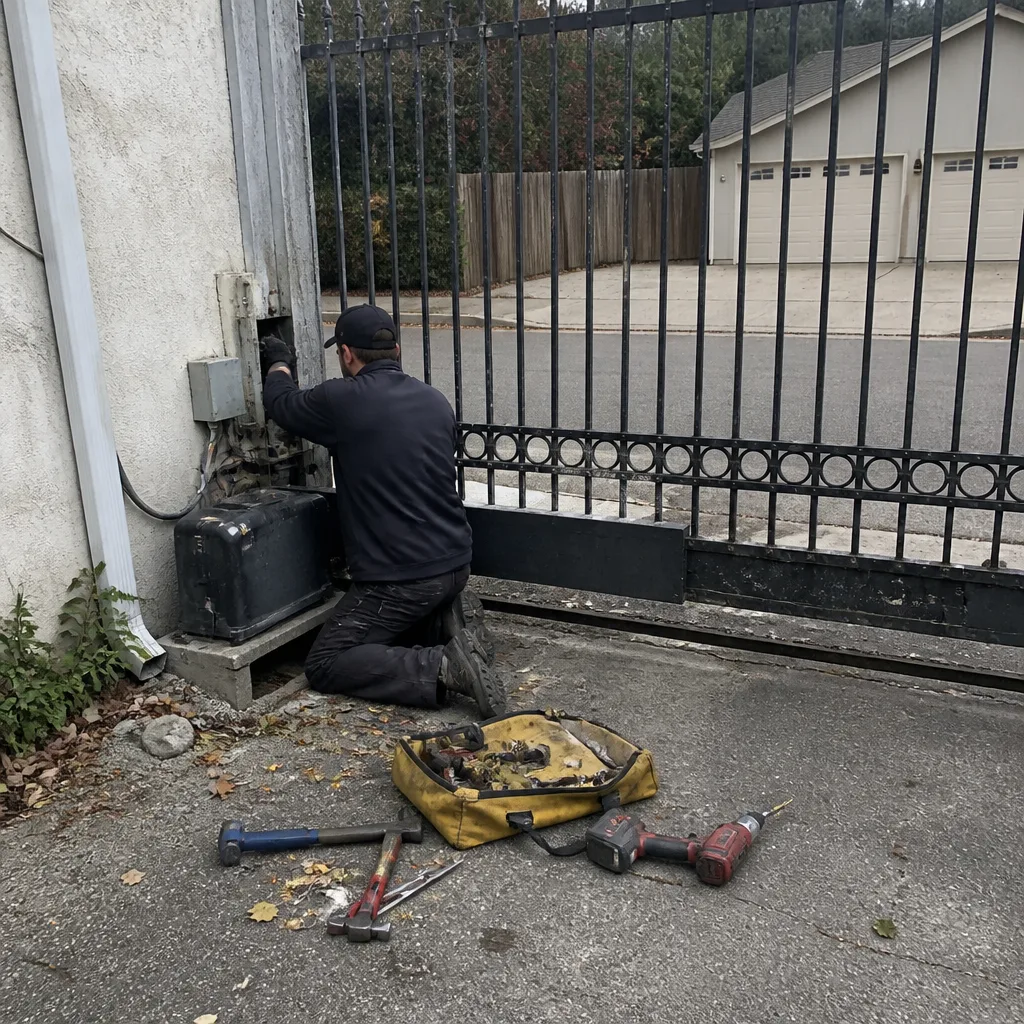 Before
 After
 Before
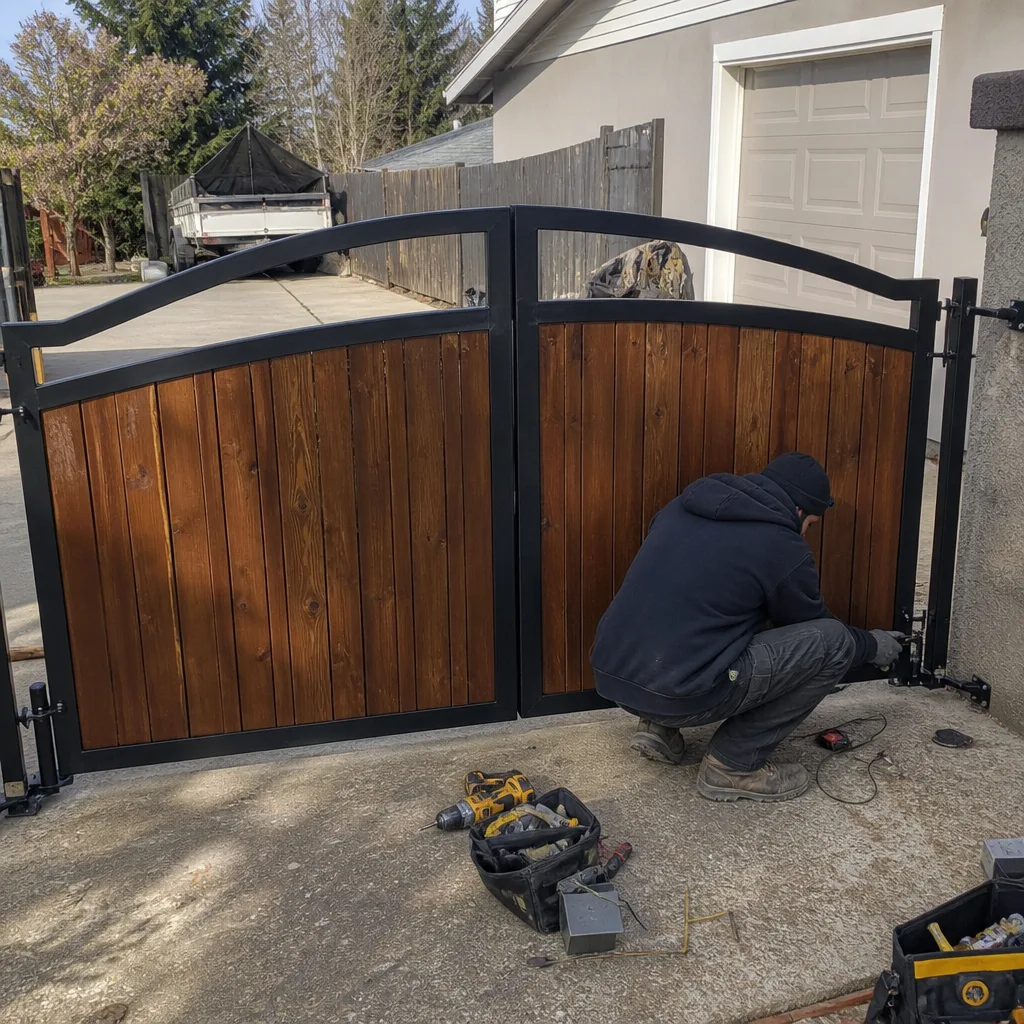 After