
Last updated November 2, 2026
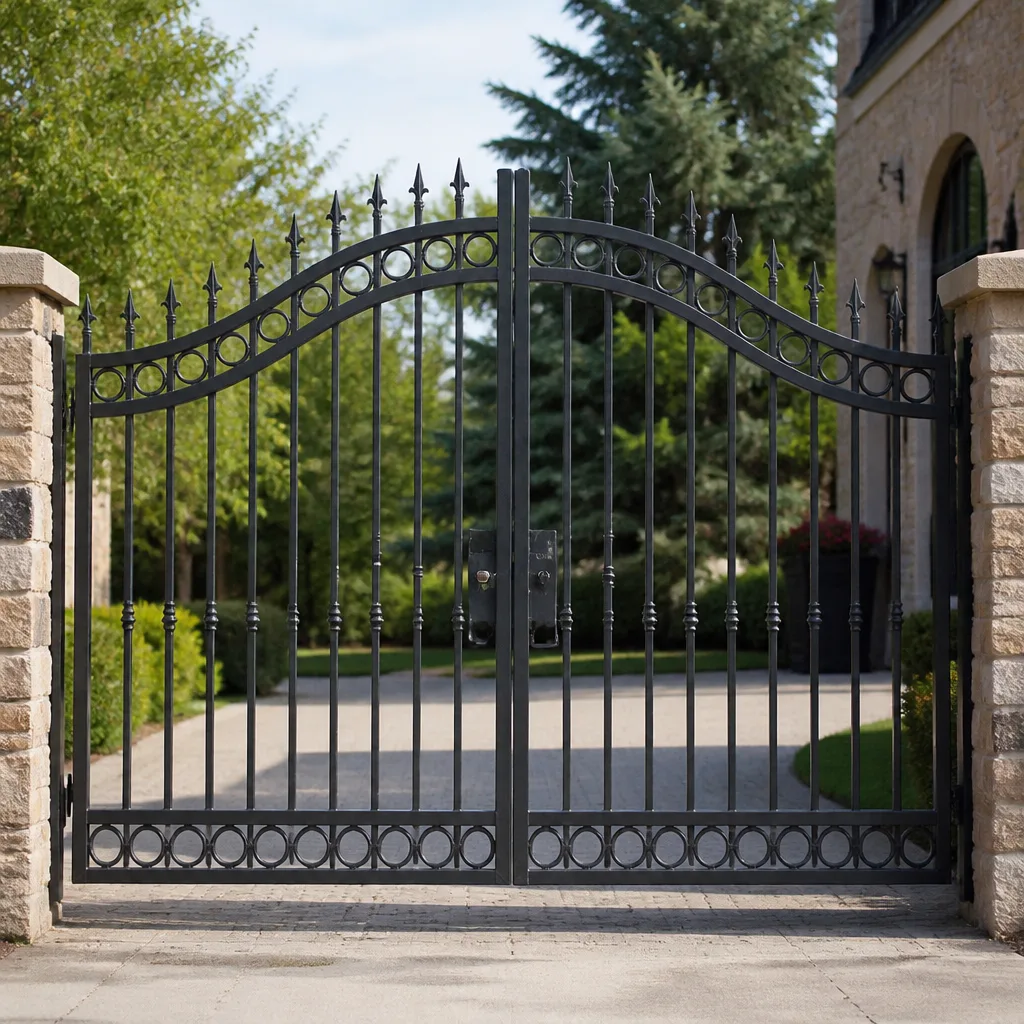 Wrought iron
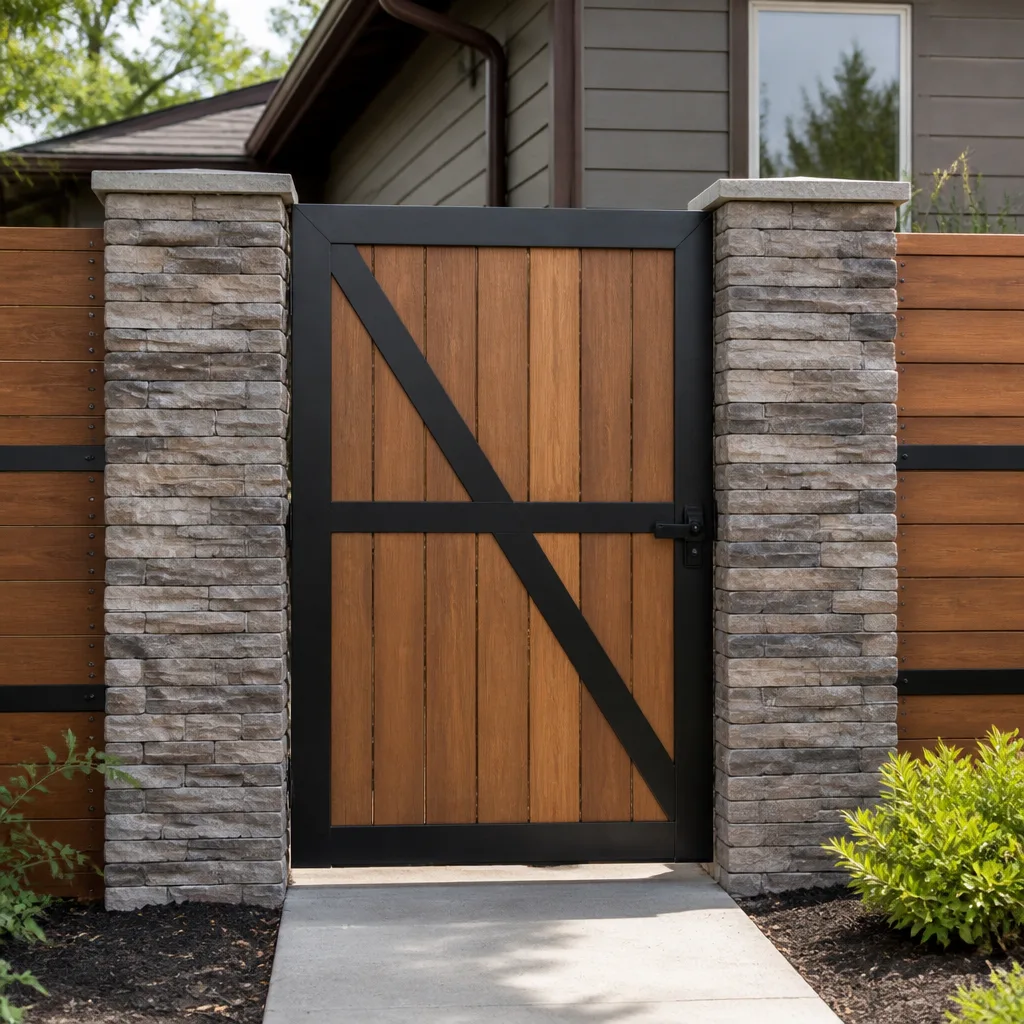 Wood & steel frame
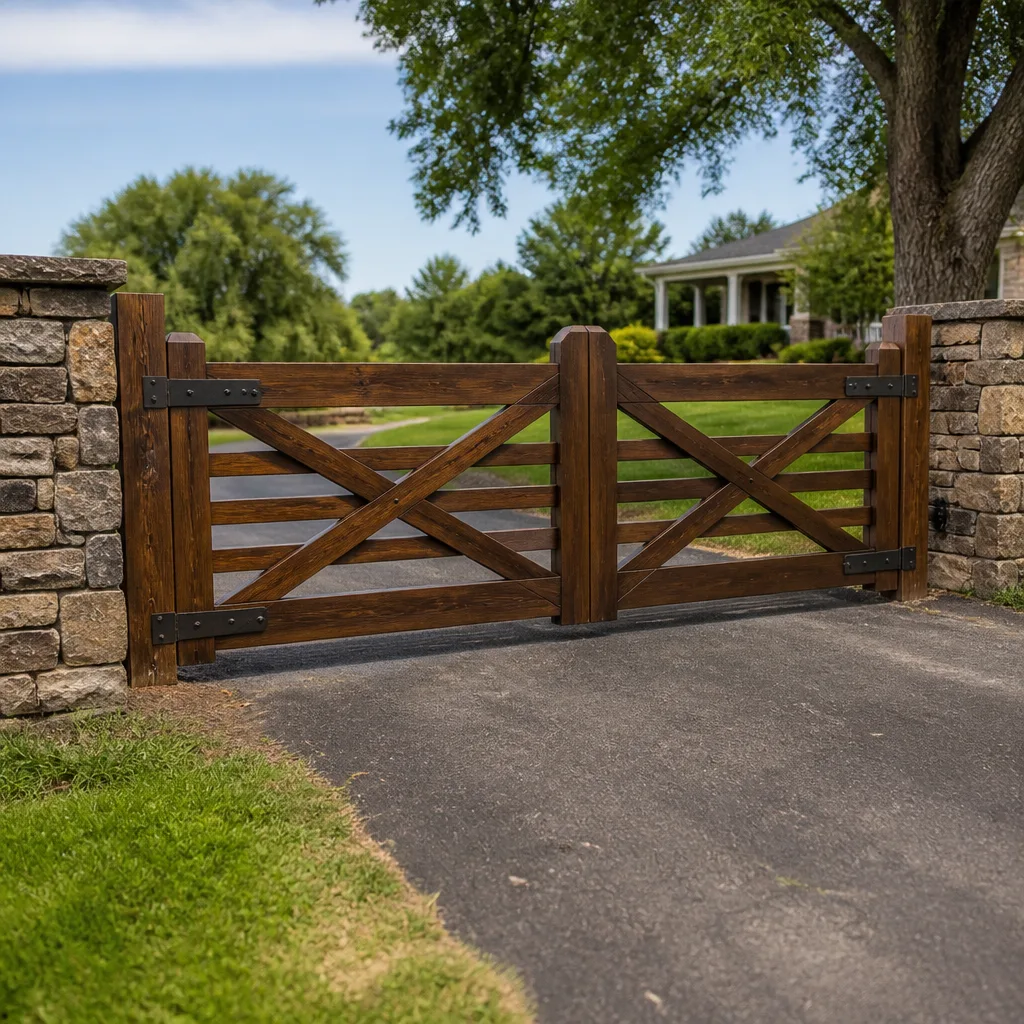 Farm & ranch
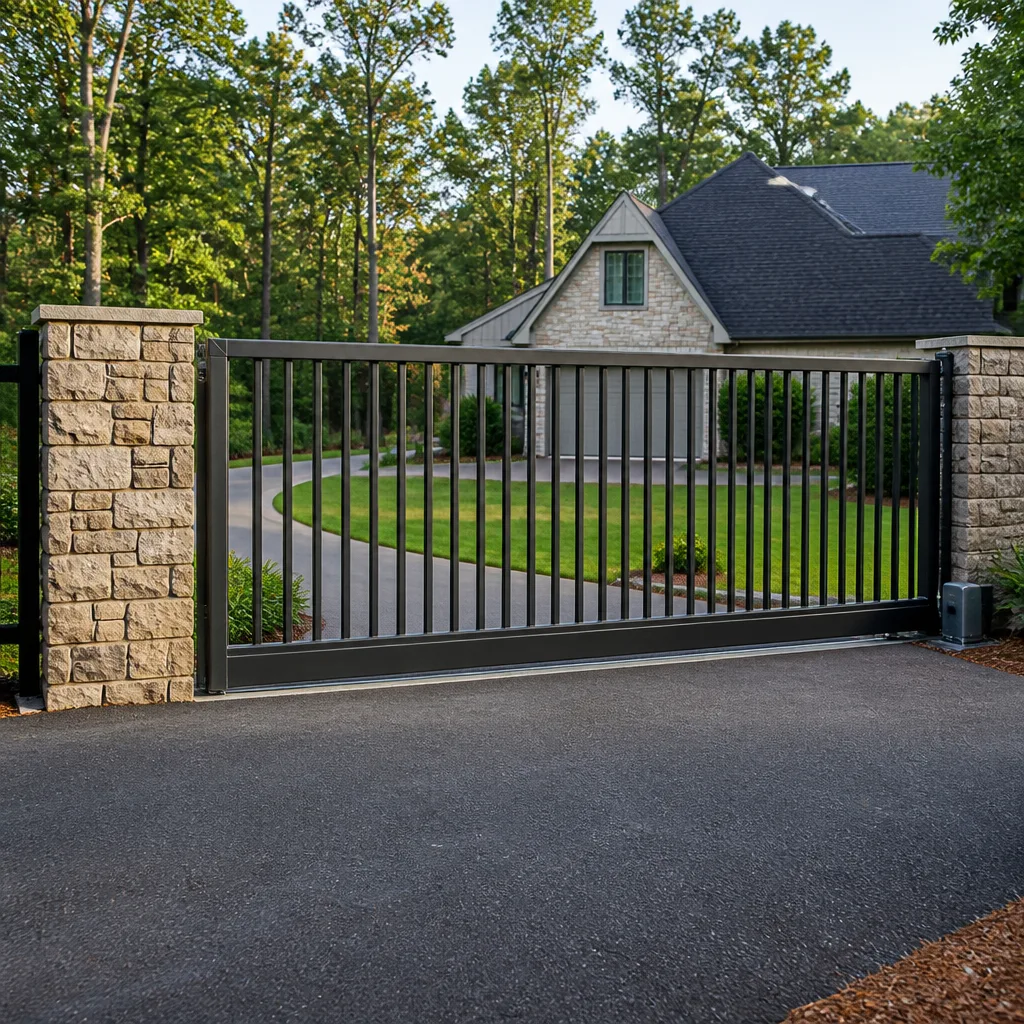 Sliding driveway gates
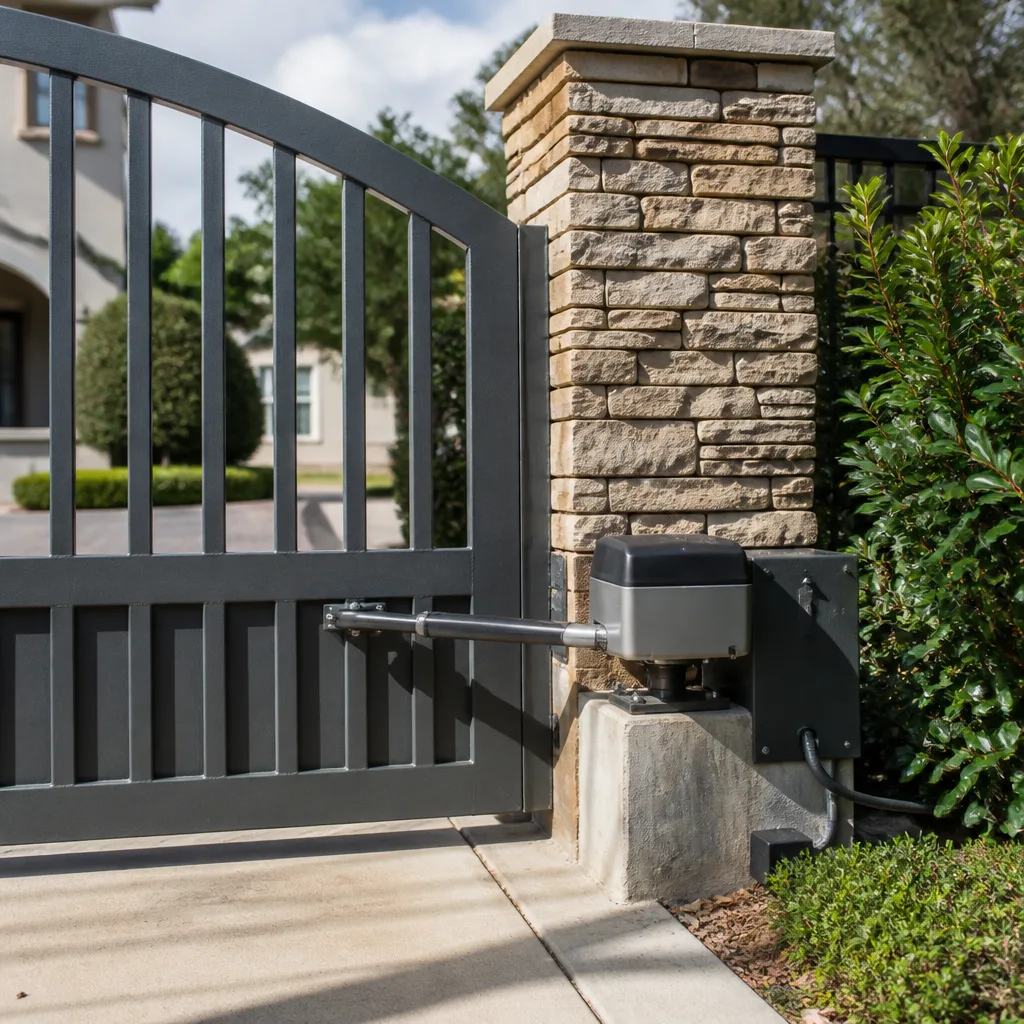 LiftMaster operators
Free on-site gate assessment - hinges, posts, and your LiftMaster or Nice gate operator checked before anything is quoted
The assessment is free and the quote is the invoice.
Get your free estimateGate Repair Permits, Codes & Inspections in CA: What You Need to Know
Here’s the uncomfortable truth most Citrus Heights homeowners don’t learn until it’s too late: replacing a gate operator with a different electrical configuration is a permitted electrical modification in California. Not a repair. A modification. And it requires a permit. The contractor who swapped your swing-arm opener last year probably never mentioned it, because mentioning permits slows the job down and makes the quote look higher. This guide walks through exactly when Sacramento County requires a permit for gate work, when it doesn’t, what UL 325 has to do with it, and how unpermitted work shows up years later when you’re sitting at the closing table trying to sell your home. For ongoing maintenance needs, see our Gate Repair services.
Styles & brands we work with
- Wrought iron
- Wood & steel frame
- Farm & ranch
- Sliding driveway gates
- LiftMaster operators
Quick Answer
In Citrus Heights, simple repairs to an existing gate, like replacing a worn hinge, straightening a bent frame, or swapping a failed circuit board with an identical model, generally do not require a permit under Sacramento County code. For deeper guidance, see our Gate Repair Troubleshooting: Common Problems and How to Fix Them. But any gate work that changes the electrical configuration, adds a new operator, relocates wiring, or involves structural modification to the gate or its posts typically does. When in doubt, the building department’s test is simple: is it repair, or is it alteration? Repair doesn’t need a permit. Alteration does.
Table of Contents
- Repair vs. Modification: Where Sacramento County Draws the Line
- UL 325 Compliance: What It Means for Automated Gate Work
- Title 24 and Electric Gate Operators: The Energy Code Nobody Mentions
- The Sacramento County Permit Process for Gate Electrical Work
- What Happens During a Gate Electrical Inspection
- Unpermitted Gate Work and Your Home Sale: What Buyers and Inspectors See
- Citrus Heights-Specific Code Notes: Climate, Setbacks, and Local Practice
- Common Mistakes to Avoid
- When to Call a Professional
- Frequently Asked Questions
- The Bottom Line
Repair vs. Modification: Where Sacramento County Draws the Line
This is the section that answers the question most Citrus Heights homeowners actually have, and it’s the one where people get surprised. The California Building Code, adopted by Sacramento County with local amendments, distinguishes between a repair and an alteration. A repair restores something to its original, code-compliant condition without changing the scope, size, or configuration. An alteration changes what was there before. That distinction matters because permits are not required for repairs but are typically required for alterations.
Let’s make it concrete, because the abstract version doesn’t help anyone at 7 a.m. staring at a gate that won’t open.
Work that typically does NOT require a permit in Citrus Heights:
- Replacing a bent hinge or roller with the same size and type. The gate functions the same way afterward. Repair.
- Straightening a sagging gate frame without altering the gate’s dimensions or how it mounts. Repair.
- Swapping a failed circuit board or control board with the identical model from the original manufacturer. If it’s a like-for-like part swap with no wiring changes, it’s generally classified as repair.
- Replacing a worn keypad or damaged remote receiver where you’re unplugging the old part and plugging in the new one with no electrical modification.
- Lubrication, alignment, and adjustment of existing hardware.
Work that requires a permit or electrical review:
- Replacing a gate operator with a different model or brand, even if it’s the same type. A new Viking operator wired into the same box may have a different amp draw, different circuit requirements, or different motor characteristics. That’s a modification of the electrical configuration, not a repair. This is the one that catches people.
- Adding an operator to a gate that was previously manual. This is not repair; it’s new electrical work on a new circuit. Sacramento County treats it as an alteration and a new outlet installation.
- Moving the operator from post-mounted to pad-mounted or changing the mounting configuration. The electrical run changes.
- Adding or relocating loop detectors, photo eyes, or safety edges. These involve new wiring runs. New wiring means permit territory.
- Structural changes to the gate itself, including changing the gate’s height, weight, material, or post configuration. A new, heavier gate on old posts is a structural question, not just a repair.
Here’s the plain-language rule we tell our customers in Citrus Heights: if the work only puts back something that was already there, you’re probably in repair territory. If the work changes what’s there, what it draws, or how it’s wired, assume a permit is required until the building department tells you otherwise.
UL 325 Compliance: What It Means for Automated Gate Work
UL 325 is the safety standard that governs automated gate operators and their entrapment protection devices. The short version: any gate operator manufactured for the U.S. market after March 1, 2000 is required to comply with UL 325, and any time an operator is replaced or newly installed, the replacement must meet current UL 325 standards. Where this intersects with permits is straightforward: if you’re doing electrical work on an automated gate in Citrus Heights that reaches permit review, the reviewer expects to see UL 325-compliant equipment specified, and the inspector expects to see UL 325-compliant safety systems on site.
Why does this matter for a homeowner whose gate is simply broken? Because a gate that came with the house in 1998 might have an operator that predates current entrapment-protection standards. You can repair that old operator with like-for-like parts without triggering most permit requirements. But the moment you replace that operator entirely, or if you modify its wiring, the new work is expected to comply with current UL 325, which means external entrapment protection devices: photo eyes, safety edges, or both depending on the gate type and the forces involved.
What UL 325 generally requires for automated gates:
- Primary and secondary entrapment protection. For most gate types, the operator itself provides one layer (inherent obstruction sensing), and an external device, typically a monitored photo eye or a contact edge, provides the second layer.
- Warning signage. Automated gates are required to display specific warning signage at the gate and near controls. If you’ve ever seen a gate with a small yellow or white placard showing a figure caught between gate panels, that’s a UL 325 sign, not a decorative choice.
- Force and speed limits. The operator cannot exceed specified closing forces. A gate that closes like a guillotine is not UL 325 compliant, and it is a liability waiting for a lawsuit.
In practice, what this means for Citrus Heights homeowners is that a “simple” operator replacement often involves more than swapping the motor. The wiring for the safety devices may need to be replaced or added. The control board may need reprogramming for the new sensors. This is exactly the kind of scope change that pushes a repair into permit territory, because you’re now altering the electrical configuration and adding safety circuits.
Title 24 and Electric Gate Operators: The Energy Code Nobody Mentions
California’s Title 24, Part 6 energy code regulates building energy efficiency, and it does reach electric gate operators, though not in the way most people assume. Gate operators are not lighting systems or HVAC equipment, so they don’t have mandatory efficiency ratings the way a heat pump does. But Title 24 does apply to the electrical infrastructure that serves them, and it applies to one specific component that most gate installers never mention to homeowners.
That component is the standby power draw. Many gate operators, especially older models or commercial-grade systems from brands like FAAC or BFT, draw continuous standby power to keep the control board, radio receiver, and accessory circuits energized. When a new circuit is added or an existing circuit is modified as part of a permitted gate electrical job, that circuit falls under the California Electrical Code, which is adopted alongside Title 24. The inspector reviews the circuit for proper load calculation, correct breaker sizing, and, where applicable, the energy code provisions for outdoor electrical circuits.
The practical impact on gate operator selection: newer UL 325-compliant operators with modern switching power supplies and low-standby control boards generally draw significantly less continuous power than the 2003 DoorKing still grinding away in the corner of a Citrus Heights front yard. If you’re pulling a permit for an operator replacement anyway, choosing a current model has two benefits. First, it makes the permit review smoother because the equipment documentation is current and the load calculation is cleaner. Second, you stop paying for the phantom load of a 20-year-old transformer humming 24 hours a day. In Sacramento County, where summer temperatures push outdoor electrical enclosures into thermal extremes, that older equipment also runs closer to its thermal limits, which shortens its life.
None of this requires a Title 24 certificate the way a new residential building does. But a permit reviewer for gate electrical work may ask for the operator’s electrical specifications, and if the numbers show an oversized circuit or a questionable continuous load, expect questions.
The Sacramento County Permit Process for Gate Electrical Work
If you’ve determined that your gate work needs a permit, here’s the step-by-step process for a Citrus Heights homeowner filing with Sacramento County building services. This is not legal advice, and the exact requirements can shift, but this is the process as it applies to typical single-family residential gate electrical work.
- Determine jurisdiction. Citrus Heights is within Sacramento County. If your property is a single-family home, you’re working with Sacramento County Building Services. If the gate serves a planned development or a homeowner association with its own infrastructure, the HOA may have its own approval layer on top of the county process.
- Prepare a simple scope description. You don’t need architectural drawings for a typical gate operator replacement. You need a plain description of the work: what’s being removed, what’s being installed, the equipment brand and model if known, and where the circuit originates. The clearer the scope, the cleaner the review.
- Submit an electrical permit application. Gate operator work typically falls under the electrical permit category because the physical structure of the gate is not changing. The application is processed through Sacramento County’s permit portal. Expect a plan review or counter review depending on the scope.
- Pay the permit fee. For a typical residential gate operator replacement, the fee is in the low hundreds of dollars, not thousands. But fees change, and additional review time adds cost. Get the number specific to your project from the building department.
- Schedule the rough inspection. If new conduit, wiring, or a new circuit is part of the job, the inspector looks at the wiring before it’s covered or enclosed. If everything is surface-mounted and exposed, the inspector may do a single final inspection.
- Complete the work and schedule final inspection. The inspector verifies the installation against the approved scope, confirms UL 325 safety devices are in place and functional, and signs off.
One more note on process: contractors pull permits too. If you hire a licensed contractor for the work, they should be the ones pulling the permit. If they suggest you pull the permit yourself as the homeowner, that’s technically allowed in some cases under owner-builder rules, but it’s a yellow flag. The party pulling the permit carries the liability, and a contractor who wants you carrying their liability is making a choice you should notice.
What Happens During a Gate Electrical Inspection
The inspection is the part nobody prepares for, usually because nobody told them what the inspector looks for. For a typical residential gate operator replacement in Citrus Heights, here’s what the inspector checks.
First, the circuit. The inspector verifies the circuit serving the gate is correctly sized for the operator’s load, the breaker is correct, and the wiring method outdoors is rated for the location. Outdoor gate electrical work in Citrus Heights means UV-exposed conduit, ground contact, and rain exposure. The inspector is looking at whether the installation will hold up in Sacramento County’s summer heat and winter rain, not just whether it works on the day of inspection.
Second, the safety systems. This is where UL 325 enters in a very tangible way. The inspector will look for the required external entrapment protection, confirm the warning signs are posted, and may ask you to demonstrate that the operator reverses when a sensor is triggered. If the gate is a swing arm with a BFT or Viking operator, the inspector wants to see the secondary safety device, not just the internal obstruction sensing.
Third, the workmanship. Loose conduit, exposed wire nuts, a control board zip-tied to the post because the housing doesn’t fit – these are conditions that fail inspections. The work needs to look like a professional electrical installation, not a repair that was improvised on a Saturday afternoon.
Fourth, the documentation. The inspector may ask for the operator’s installation manual, the UL 325 compliance documentation, or the electrical specifications. If you have a folder with the equipment documentation ready before the inspection, you’ve already eliminated the most common reason for a failed first inspection: missing paperwork.
Failed inspections reset the clock, and fee schedules for re-inspections apply. The preparation that prevents a failure takes about an hour.
Unpermitted Gate Work and Your Home Sale: What Buyers and Inspectors See
Here’s where the “nobody mentioned permits” problem becomes a real problem. When you sell a home in Citrus Heights, the buyer’s home inspector walks the property. For local warning signs to watch for, see our Gate Repair Warning Signs: A Citrus Heights Homeowner’s Reference Guide. A home inspector is not a code enforcement officer, but good inspectors know what an unpermitted electrical modification looks like, and they flag it. The gate operator that was swapped in 2019 with no permit shows up in the inspection report under “electrical modifications” or “unpermitted work suspected.”
That single line in an inspection report does three things to your sale. First, it gives the buyer a reason to ask for a credit. Even if the work is perfectly functional, the buyer’s agent will use the unpermitted modification as leverage. Second, title companies and lenders become aware. Most lenders won’t kill a deal over an unpermitted gate operator the way they would over an unpermitted addition, but the disclosure requirement remains. If the seller knew about the unpermitted work and didn’t disclose it, that’s a potential disclosure failure. Third, the buyer inherits the problem. When they eventually pull a permit for other work, the unpermitted gate modification may surface, and now they’re retroactively permitting someone else’s electrical work, possibly years after the fact. In Citrus Heights, where gates are common on larger lots and in older neighborhoods, this scenario plays out routinely.
The practical advice: if you know your gate has been modified without a permit, you have options. You can leave it as is and disclose it at sale. You can have it retroactively permitted, which is possible for most gate electrical work if the installation is code compliant. Or you can have the non-compliant parts brought up to current standards and permitted at the same time. The first option simplifies nothing. The second and third options clear the title issue before it becomes a negotiating point.
Citrus Heights-Specific Code Notes: Climate, Setbacks, and Local Practice
Citrus Heights sits in a climate zone that creates specific conditions for gate electrical work that don’t apply in, say, coastal California or the high Sierra. Understanding these conditions explains why local practice in Sacramento County differs from what a generic internet article describes.
Summer heat is the silent killer of gate electrical components. An outdoor electrical enclosure in direct Sacramento County sun can reach internal temperatures well above the rated maximum for control boards and power supplies. We regularly see failed capacitors, swollen electrolytic components, and cooked transformers in operators installed in full-sun locations. This matters for permit scope because a proper installation in Citrus Heights may mean relocating or shading the electrical enclosure, which changes the wiring run and potentially the permit scope. A like-for-like board swap inside a baking enclosure is a repair. Moving the enclosure to the shaded side of the post, adding a sun shield, and extending the circuit is a modification.
Soil and post conditions affect structural questions. Citrus Heights neighborhoods range from older areas with established, often shifting soils to newer subdivisions with compacted engineered fill. Gate posts set in expansive or shifting soil lean over time. A gate that’s sagging because the post has leaned is not a repair problem to be solved with new hinges; it’s a structural question about resetting or replacing the post. If the post replacement changes the gate’s footprint or mounting configuration, you’re back in permit territory.
Local amendments matter. Sacramento County has adopted the California Building Code with local amendments that affect things like encroachment permits for gates near the public right-of-way. If your gate is at the front property line and swings outward toward the sidewalk, there may be setback or right-of-way considerations beyond the building permit. Gates that swing across a public sidewalk create a specific set of questions, and Sacramento County planning has taken an interest in pedestrian safety for gates in front-yard setback areas. In most Citrus Heights residential zones, a gate at the driveway entrance on private property doesn’t trigger right-of-way review, but a gate that crosses a sidewalk does.
Common Mistakes to Avoid
- Assuming all gate repair is permit-free. The repair vs. alteration distinction is specific. A panel swap on a Linear operator is not the same as replacing the operator with a different model. One is repair; the other is modification. Get a scope opinion from the building department or a licensed contractor before assuming.
- Letting the contractor decide silently. Many contractors in Citrus Heights will quietly skip the permit to keep the quote low. You find out at the inspection when you sell. Ask specifically: “Will a permit be pulled for this work?” and get it in writing.
- Ignoring UL 325 signage after a repair. The warning signs aren’t decoration. If you replace an operator and the old signs are missing or faded, the installation is out of compliance even if the wiring is perfect. Inspectors check signage.
- Upgrading the gate without checking the operator’s capacity. Installing a heavier gate on an existing operator changes the dynamic load. The operator may strain, overheat, and fail early. And the larger gate may trigger structural questions the old gate didn’t have.
- DIY electrical work on an automated gate without experience. Gate operators involve line-voltage wiring, low-voltage control circuits, and safety sensors. A mistake in the wiring can create a shock hazard, a fire hazard, or a gate that doesn’t reverse on obstruction. This is not a place to learn electrical work.
- Assuming HOA approval equals a permit. An HOA architectural review is not a building permit. You can have HOA approval and still have unpermitted electrical work. The two processes are unrelated and both may apply.
- Not keeping the paperwork. When you sell, having the permit, the inspection sign-off, and the equipment documentation resolves the unpermitted-work question in fifteen seconds. Without those documents, you’re arguing with a buyer’s agent over work you can’t prove was approved.
When to Call a Professional
Some gate issues are obvious repair territory that a hands-on homeowner can handle. The rest deserve a specialist, not just because the work requires skill, but because the code obligations answer to the state and to your future buyer. Call a professional when the operator is being replaced rather than repaired, when new safety devices need to be added, when the wiring configuration changes, when the posts themselves are involved, or when a permit is required and you don’t want to be the one navigating it. At Electric Gate Repair in Citrus Heights, we see the full range, from simple hinge replacements to full operator swaps that require permits and inspections. A gate that fails a permit inspection costs more than one that passes the first time, and the difference is usually preparation. If you’re in Citrus Heights and you’re not sure whether your gate work needs a permit, call us at (877) 752-5078. We’ll tell you honestly what the scope looks like, and estimates are free.
Frequently Asked Questions
Most simple gate repairs in Citrus Heights do not require a permit, including replacing a worn hinge, straightening a bent frame, or swapping an identical circuit board. For more guides & resources on gate maintenance and local requirements, explore our blog. A permit is required only when the work changes the gate’s electrical configuration, adds a new circuit or operator, or modifies the structure. Call (877) 752-5078 if you’re unsure whether your specific repair crosses that line.
For typical residential gate electrical work, the permit fee from Sacramento County lands in the low hundreds of dollars, not thousands. The exact amount depends on the scope and review complexity, and re-inspection fees add cost if the first inspection fails. For an accurate figure for your project, call the building department or ask a licensed contractor to quote the permit separately.
You can, but the electrical portion of the work falls under the California Electrical Code, and if you install an operator with new wiring and never pull a permit, you’ve created an unpermitted modification that surfaces later at sale or at a future inspection. Automated gate wiring involves line voltage, low-voltage control circuits, and UL 325 safety sensors, and installation errors create real safety hazards. This is specialist work.
UL 325 is the safety standard for automated gate operators, requiring entrapment protection, warning signage, and force limits on any operator manufactured since March 2000. It applies any time an operator is replaced or newly installed, including replacement of an existing operator in Citrus Heights. A repair of an existing operator with identical parts generally does not create new UL 325 obligations, but replacement does.
It won’t prevent the sale in the way an unpermitted addition would, but it will likely appear on the buyer’s inspection report, give the buyer grounds to ask for a credit, and create a disclosure obligation for you as the seller. Disclosing it and offering to retroactively permit the work is usually the cleanest path, and retroactive permitting is possible for most gate electrical work if the installation is code compliant.
We service nine major gate and operator brands, including FAAC, BFT, Linear, Viking, LiftMaster, DoorKing, Ghost Controls, Elite, and Mighty Mule. If your gate uses a different operator, call us anyway, because many systems share common control components and we can often source what’s needed. If you need a full Gate Installation in Citrus Heights, we handle that too.
The Bottom Line
California permit rules for gate work are not ambiguous if you understand the single dividing line: repair is restore, alteration is change. Restoring a gate to its original, code-compliant condition needs no permit. Changing the electrical configuration, adding an operator, rewiring, or modifying the structure does. UL 325 and Title 24 add layers that most Citrus Heights homeowners never consider until an inspector stands in their driveway. The cleanest path is asking whether a permit applies before the work starts, not after, because retroactive permitting and sale-day disclosures are both more expensive than a permit on the front end. For more on what we handle, see Gate Repair in Citrus Heights or Gate Repair Citrus Heights home. If your gate needs work and you want a straight answer on permits in Citrus Heights, call (877) 752-5078.
Written by the team at Gate Repair Citrus Heights, serving Citrus Heights since 2018.
See the difference
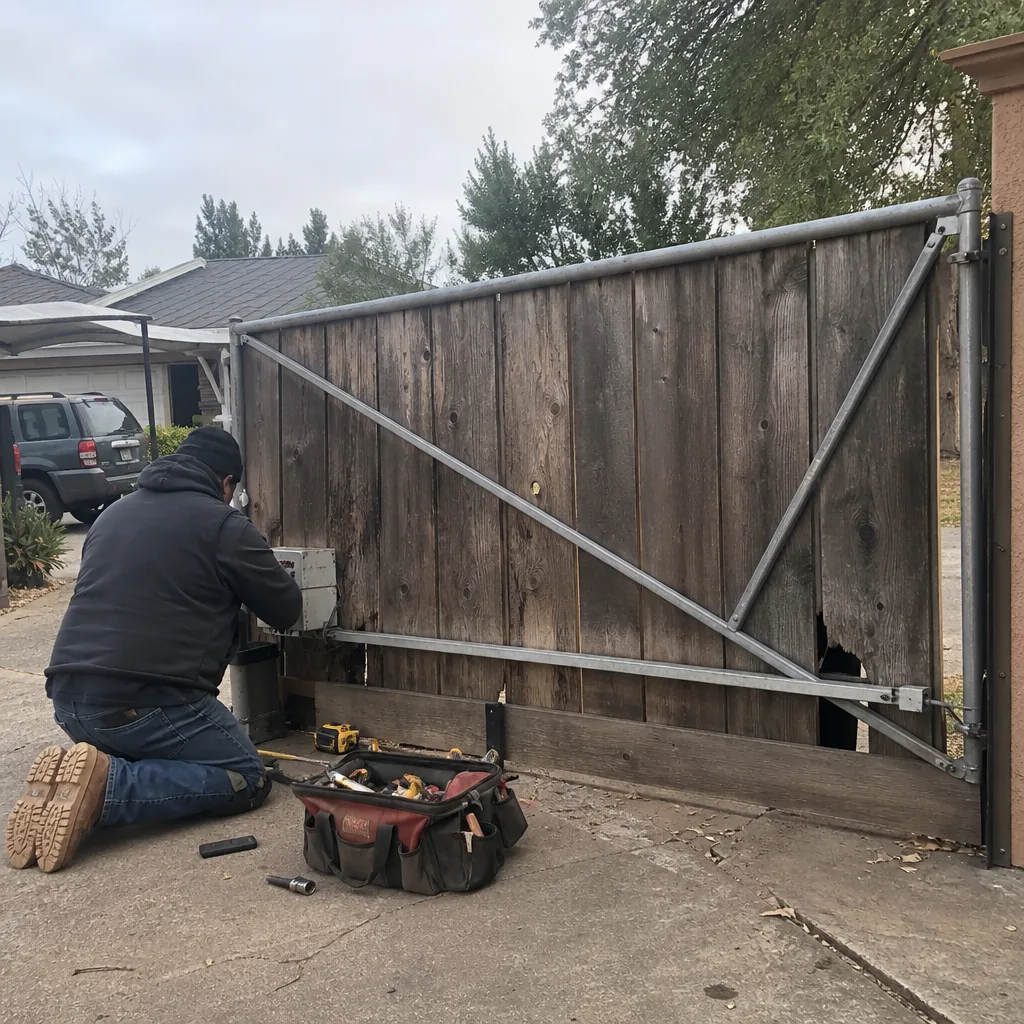 Before
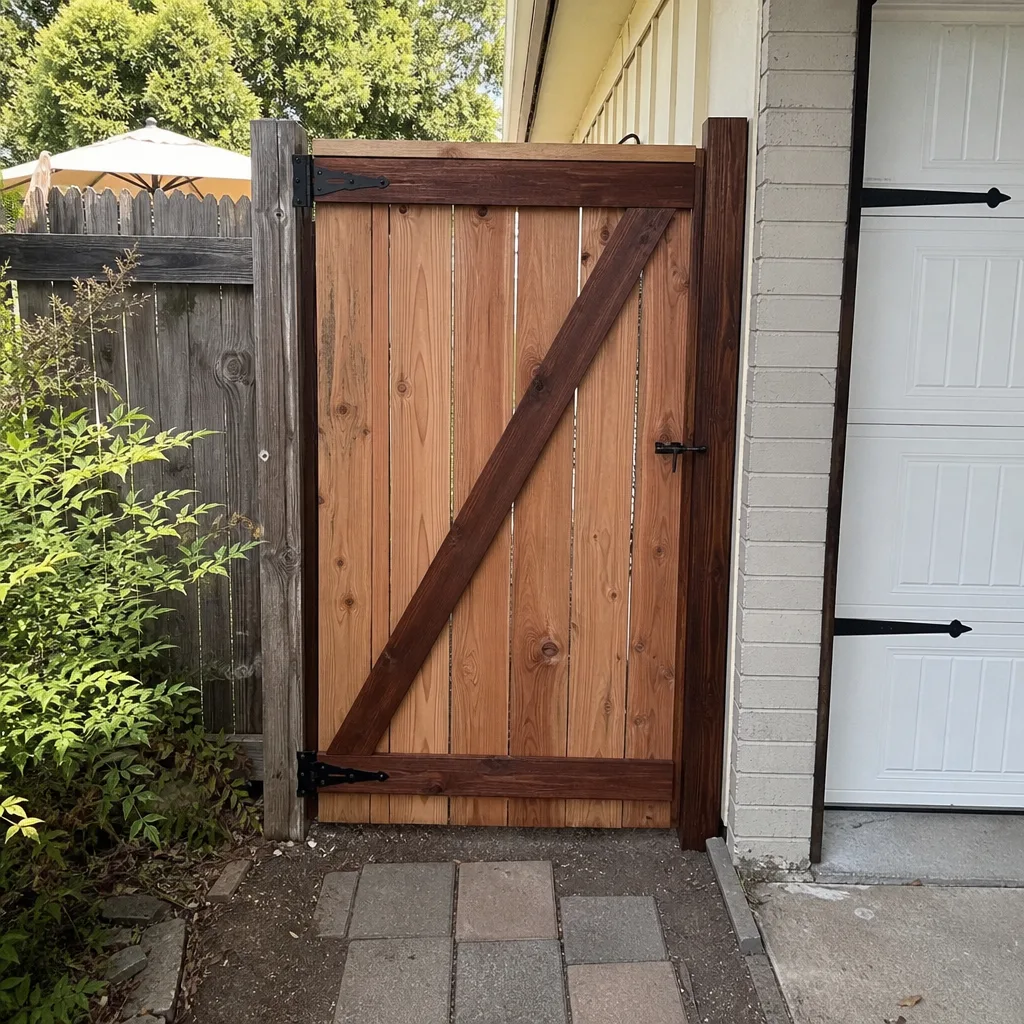 After
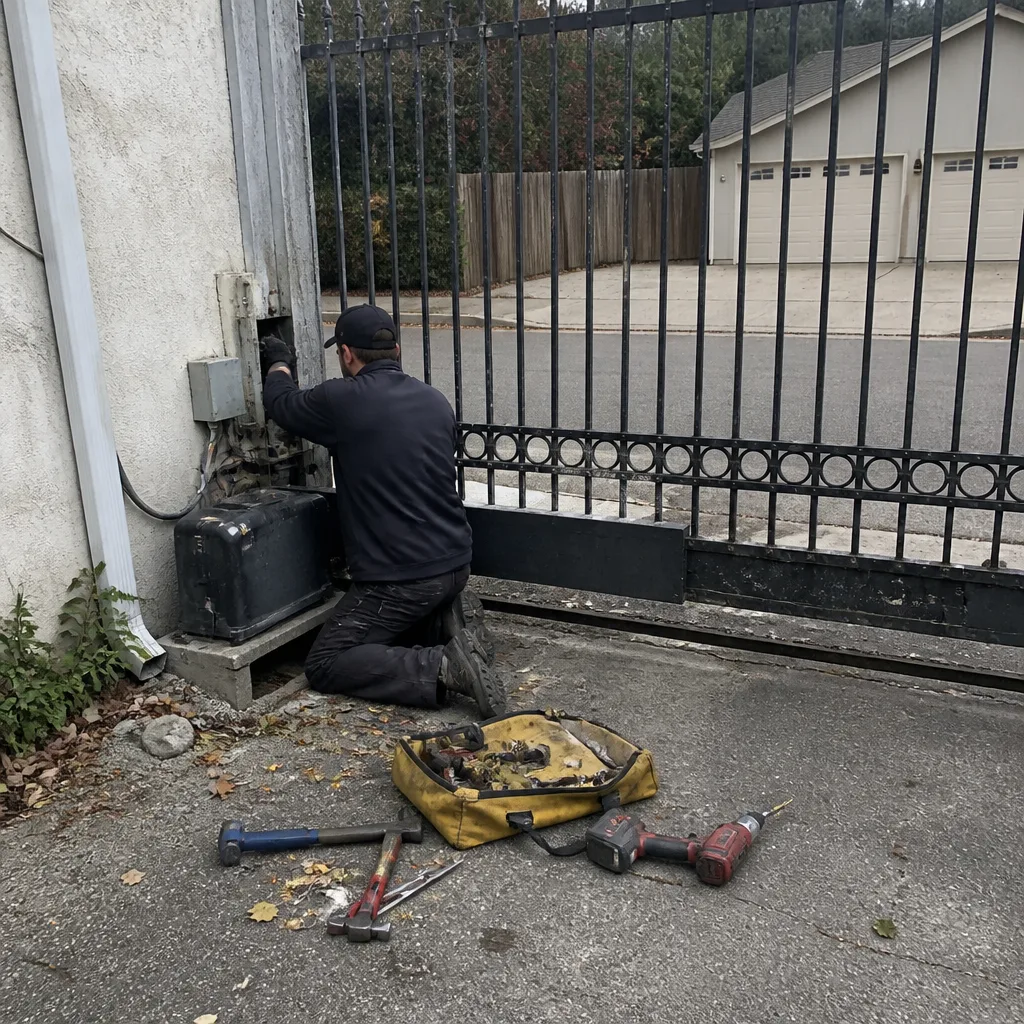 Before
 After
 Before
 After