
Last updated November 2, 2026
 Wrought iron
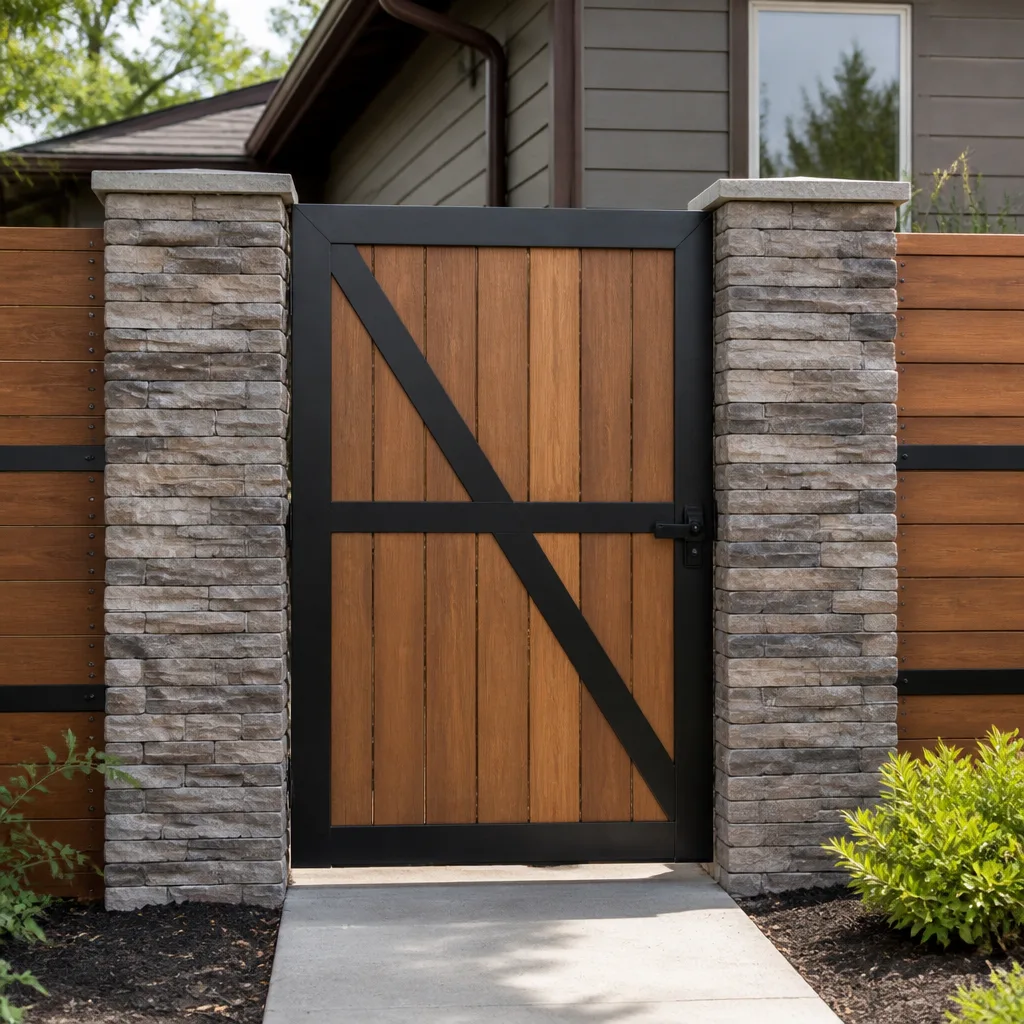 Wood & steel frame
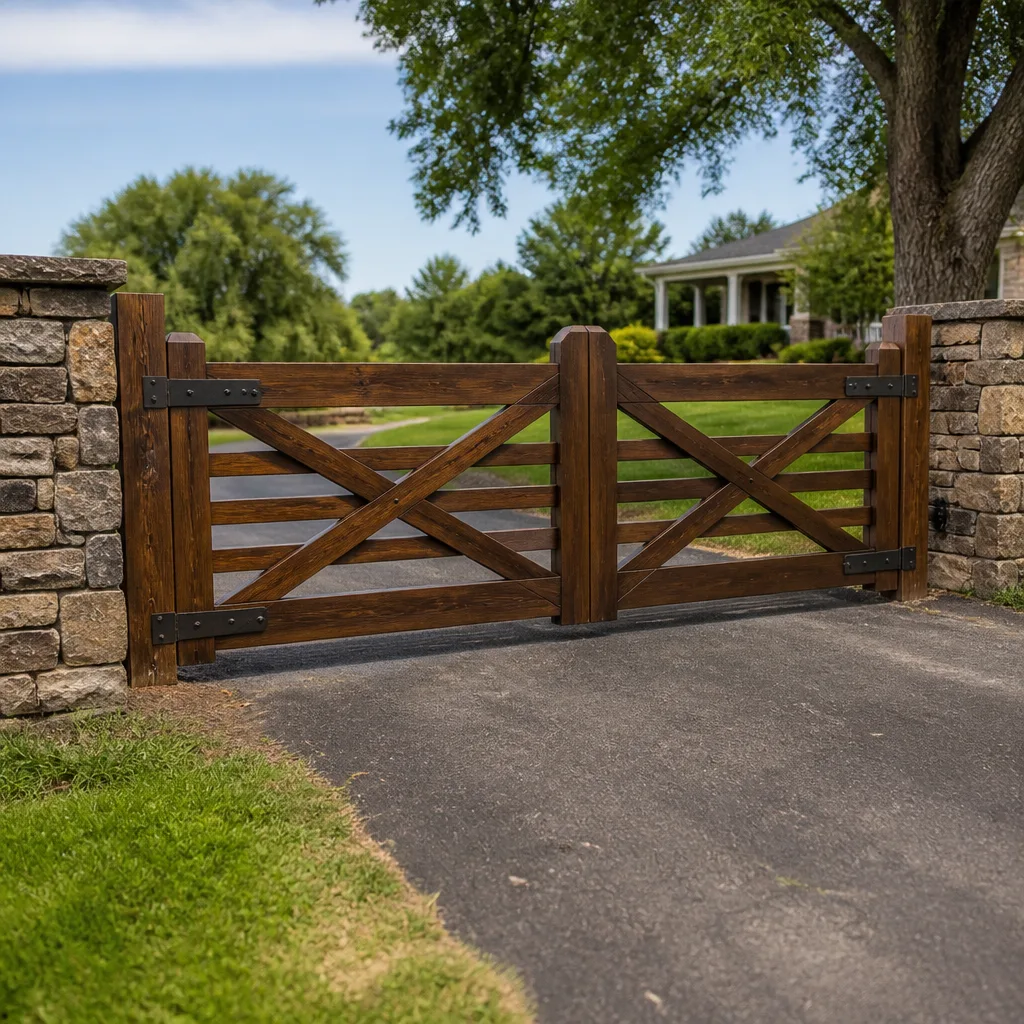 Farm & ranch
 Sliding driveway gates
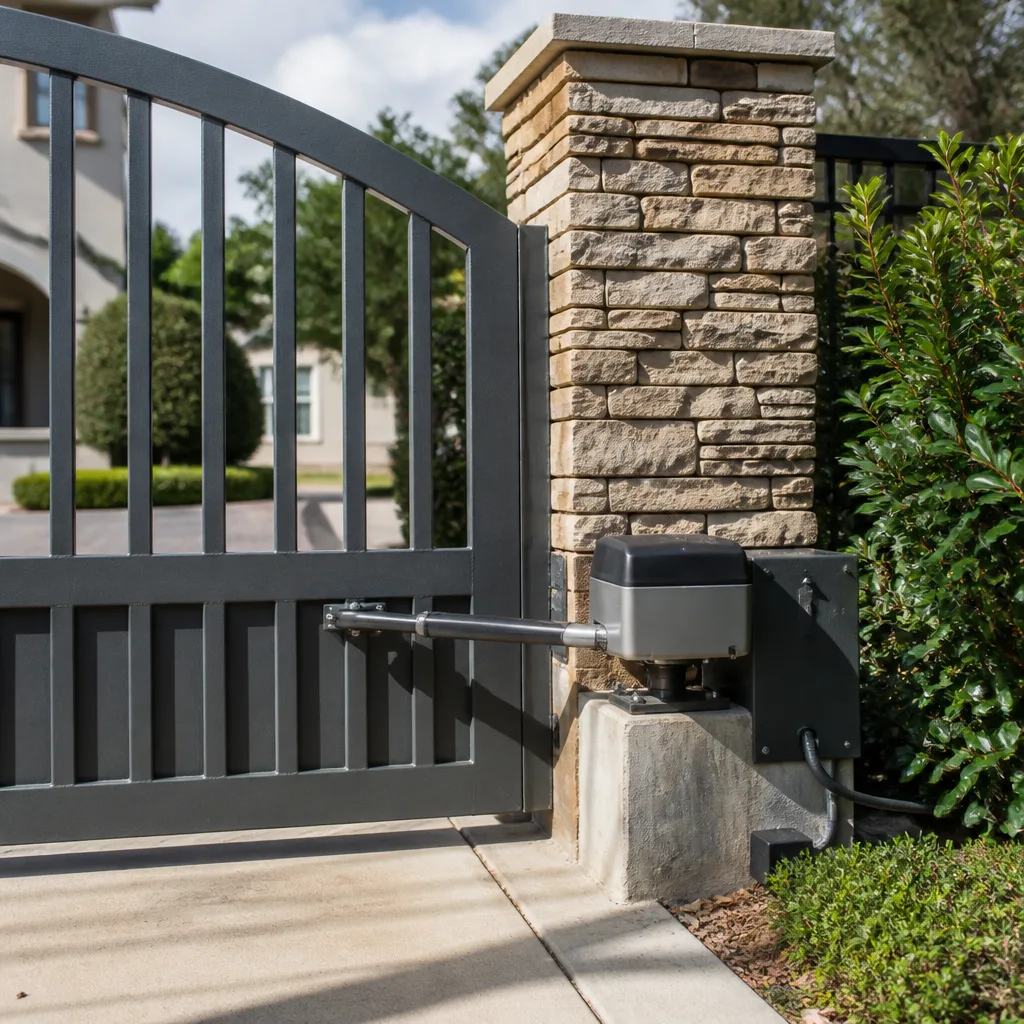 LiftMaster operators
Free on-site gate assessment - hinges, posts, and your LiftMaster or Nice gate operator checked before anything is quoted
The assessment is free and the quote is the invoice.
Get your free estimateGate Repair Maintenance Checklist for Citrus Heights Homeowners
Most homeowner gate checklists found online tell you to “lubricate moving parts” without specifying which lubricant, how much, or what happens when you use the wrong one. That vague advice is exactly how grease-fouled limit switches become a $300 repair. This guide is different. It’s sequenced the way a gate actually fails in Citrus Heights, starting at the mechanical stress points and working outward. You’ll learn which lubricants belong on which components, how to spot wear before it strands your gate open at 6 a.m., and what a healthy operator cycle actually sounds like. We’ve maintained and repaired gates across Citrus Heights neighborhoods from Arcade Creek to Birdcage Heights, and the failures we see are consistent and preventable with our Gate Repair services.
Learn more about Gate Repair in Citrus Heights and how we approach diagnostics on every brand we service.
Styles & brands we work with
- Wrought iron
- Wood & steel frame
- Farm & ranch
- Sliding driveway gates
- LiftMaster operators
Quick Answer
A gate maintenance checklist for Citrus Heights homeowners should cover four mechanical stress points (hinges, chain or belt, rollers, and operator gears) plus electrical connections and safety sensors, on a seasonal schedule. In Citrus Heights, gates need attention at least twice a year: once before the wet winter months and once after the dry summer heat. Most repairs we perform could have been caught months earlier with a 20-minute inspection.
Table of Contents
- The Lubrication Protocol: What Goes Where (And What Never To Use)
- The Four Mechanical Stress Points That Fail First
- Tension and Alignment Checks Without a Service Tool
- What a Healthy Gate Motor Cycle Sounds Like vs. Early Wear Signals
- Electrical Connections and Safety Sensor Checks for Citrus Heights Homes
- Your Seasonal Maintenance Schedule for Citrus Heights
- Documenting Your Gate’s Condition Over Time
- Common Mistakes to Avoid
- When to Call a Professional
- Frequently Asked Questions
- The Bottom Line
The Lubrication Protocol: What Goes Where (And What Never To Use)
Here’s the truth most gate maintenance guides won’t tell you: hinges, chains, rollers, and operator gears are not all the same. They take different lubricants, and using the wrong one causes specific, expensive failures. We’ve diagnosed gates in Citrus Heights where a homeowner sprayed white lithium grease on everything, and the resulting buildup attracted enough dust to turn the chain into a grinding paste.
Here’s the breakdown:
- Hinges (swing gates): Use a dry silicone spray or a light machine oil. Hinges need lubrication that penetrates the pin and bushing but doesn’t leave a sticky film. Sticky film is a dust magnet, and Citrus Heights summers produce plenty of dust.
- Chains (slide and cantilever gates): Use a dedicated chain lubricant designed for outdoor use. It should penetrate the links but not fling off. Avoid motor oil: it’s too heavy, it attracts grit, and it degrades the nylon chain guides faster.
- Rollers and tracks: Clean first, then lubricate sparingly with a dry Teflon spray. Never grease rollers. Grease on rollers is the number one cause of slide gates jamming mid-travel. The grease captures dirt, the dirt packs into the roller bearing, and the bearing seizes.
- Operator gears (electric gates only): Use the grease specified by the operator manufacturer. For BFT and Viking operators, that’s typically a molybdenum-based grease applied sparingly to the gear teeth. Too much grease here migrates to limit switches and control boards, and that’s the $300 repair we mentioned earlier.
What never to use: WD-40 as a lubricant. It’s a water displacer and cleaner, not a lubricant. It strips existing lubrication and leaves components dry. In Citrus Heights, where temperatures swing from frost in winter to triple digits in summer, a WD-40 “maintenance” routine leaves your gate dry within weeks.
How Much Lubricant Is Enough?
One drop on a hinge pin if you’re using oil. One short burst of spray if you’re using silicone. On chains, apply enough to wet the links but not enough to drip on the ground. On operator gears, a thin film, not a coating. More is not better. If you can see a thick layer of grease after application, you’ve used roughly four times too much.
The Four Mechanical Stress Points That Fail First
Every gate has four points that carry the most load and wear out first. In Citrus Heights, where dry summers bake metal and wet winters invite rust, these four points account for roughly 70% of all the mechanical failures we repair.
- The bottom hinge on a swing gate. It bears the entire weight of the gate leaf. Check for sag by lifting the gate at the latch end. Movement of more than a quarter inch means the hinge pin or bushing is worn. Replace the hinge before the gate drags on the ground and bends the frame.
- The drive chain or belt on an automatic gate. Look for stretched links, cracked belt material, or uneven tension. A chain that sags more than half an inch at the midpoint is wearing. A belt with visible cracks will snap, often at the worst possible time.
- The roller assembly on a slide gate. Rollers should turn freely. If one roller is scored, flat-spotted, or grinding, it’s dragging rather than rolling. That drag forces the motor to work harder, and motor replacement costs significantly more than roller replacement.
- The operator mounting bracket. This is the part nobody checks because it’s inside the operator housing or behind a cover. If the bracket bolts have loosened even slightly, the whole operator shifts, putting side load on the drive shaft. Check bolt torque twice a year.
If any of these stress points shows significant wear, it’s time to consider whether repair or Gate Installation in Citrus Heights makes more financial sense. A gate past its service life will keep failing in new places.
Tension and Alignment Checks Without a Service Tool
Most homeowners assume they can’t check automatic gate tension without a specialized tool. You actually can identify the big problems with your ears, your eyes, and a piece of tape. Here’s the sequence we walk Citrus Heights homeowners through when they call about a noisy or jerky motor.
- Disconnect the operator using the manual release handle. Every automatic gate has one, usually a pull handle or key release. This lets you move the gate by hand.
- Move the gate through its full travel by hand. A properly tensioned and aligned gate moves smoothly with consistent effort. If you feel a catch, bump, or hard spot at any point, that’s a mechanical issue: a worn roller, a misaligned track, or a bent guide.
- Check chain or belt tension visually. With the operator reconnected but the gate stationary, press down on the chain or belt at its midpoint. You should see about a quarter to half inch of deflection. No deflection means it’s too tight, which shortens motor life. More than an inch means it’s too loose, which causes jerky movement and can jump teeth on the drive sprocket.
- Watch the gate during the last six inches of travel. Automated gates should slow down before stopping. If yours hits the stop or latch at full speed, the limit switch needs adjustment. That’s a repair a professional should handle because limit switches on Linear and Ghost Controls operators are sensitive to adjustment errors.
For electric gate systems specifically, tension problems often masquerade as motor problems. We cover the electrical side in our guide to Electric Gate Repair in Citrus Heights, including how to tell the difference.
What a Healthy Gate Motor Cycle Sounds Like vs. Early Wear Signals
Your gate motor talks to you, but most people don’t know the language. After servicing hundreds of electric gates in Citrus Heights, we can usually diagnose an operator problem from a 10-second phone audio clip. Here’s what you’re listening for.
The Healthy Cycle
A healthy gate operator produces a steady hum or low drone at a consistent pitch from start to finish. It should not change pitch under load. It should not click rapidly. It should not whine. On a swing gate, you may hear a soft whir followed by a distinct but not harsh stop. On a slide gate, the sound should be uniform as the gate travels the track.
Early Wear Signals
- Pitch change mid-cycle: If the motor gets louder or deeper as the gate moves, it’s straining. Common causes: low chain tension, failing roller bearings, or a gearbox low on grease.
- Rapid clicking: On residential operators like Mighty Mule or Ghost Controls, rapid clicking often indicates a failed capacitor or a relay that’s arcing. This is not something to ignore, because an arcing relay burns out a control board.
- Metal-on-metal grinding: This almost always means the operator gearbox has lost its grease or a gear tooth has sheared. Running the gate further causes complete gearbox failure.
- Labored start: If the motor sounds like it strains for the first second then settles in, the start capacitor is weakening. This is a $40 part that becomes a $400 repair if you wait until the motor burns out.
We stock parts for BFT, Linear, Viking, Ghost Controls, and most other brands we service, which means we can typically repair the operator without waiting on a parts shipment.
Electrical Connections and Safety Sensor Checks for Citrus Heights Homes
Citrus Heights homes have a particular electrical profile: hard water, high mineral content in soil, and older neighborhoods where some gate wiring was installed decades ago. Corroded connections account for a large share of intermittent electric gate failures we address.
Here’s what to check every six months:
- Wire terminals inside the operator housing: Look for green or white corrosion. Even slight corrosion increases resistance and can cause intermittent failures. Tighten any loose terminal screws. If you see significant corrosion, the terminal block may need replacement.
- Low voltage wiring connections outside the operator: These are often in junction boxes near the gate hinge or track. The boxes should be sealed and dry. If the gasket is cracked or the lid is loose, water gets in. In Citrus Heights winters, a wet junction box corrodes wire nuts quickly.
- Photo eye sensors: Check the small lenses on both sides of the gate opening. They should be clean and aligned. If they’re dirty, the gate may refuse to close or reverse for no apparent reason. Clean with a soft cloth and glass cleaner. Avoid abrasive cleaners that scratch the lens.
- Safety edge or pressure sensors on the gate edge: Press firmly along the length of the safety edge strip. It should compress and spring back. If any section feels stiff or unresponsive, the sensor is failing and the gate may not stop when it hits an obstruction.
Note on safety: any wiring repair inside an operator housing involves line voltage in most systems. If you’re not comfortable working around electricity, this is a task for a professional. We’d rather walk you through the visual inspection on the phone than take a call about a shock injury.
Your Seasonal Maintenance Schedule for Citrus Heights
Citrus Heights has two seasons that matter for gates: the wet winter and the dry summer. The maintenance each requires is different. Here’s a working schedule based on what we see fail in each season.
October (Pre-Winter Check)
- Lubricate all hinge pins, chains, and rollers with the appropriate products from the lubrication section above.
- Check and tighten all operator mounting bolts and hinge bolts.
- Inspect junction boxes and terminal blocks for corrosion. Seal any gaps with weather-resistant caulk.
- Test the safety sensors and auto-reverse feature. Place a small object like a rolled towel in the gate path. The gate should reverse.
- Clear the track or gate swing path of debris. Citrus Heights oak and elm leaves jam slide tracks and build up in operator housings each fall.
April (Post-Winter Check)
- Check for rust on hinges, chain, and any exposed steel. Surface rust can be cleaned and treated early. Structural rust requires assessment.
- Re-lubricate. Winter rain washes away lubricant even from covered components.
- Inspect the operator housing for moisture intrusion. If you see condensation inside the housing, the seal needs replacement.
- Check gate alignment. Winter ground movement from saturated soil can shift gate posts slightly in Citrus Heights clay soil.
- Test the full cycle with the remote, the keypad, and any app controls. Every access method should work consistently.
Monthly Quick Check (10 Minutes)
- Listen to one full open and close cycle for any new sounds.
- Visually scan the chain or belt for obvious sag or damage.
- Check that safety sensors are clean and aligned.
- Confirm the gate opens and closes fully without reversing prematurely.
For a deeper look at our maintenance philosophy and the full scope of what we do, see Gate Repair Citrus Heights home.
Documenting Your Gate’s Condition Over Time
Here’s a technique most Citrus Heights homeowners have never considered, and it’s one of the most valuable things you can do: document your gate’s condition so a technician can spot acceleration in wear patterns. A single inspection tells you what’s wrong today. A series of observations tells you what’s failing and how fast.
What to Document
- Cycle time: Time your gate from fully closed to fully open. Write it down. A gate that takes longer each month is telling you something about resistance somewhere in the system.
- Sound: Record a 10-second audio clip of your gate cycling on your phone every season. You’ll hear changes you’d never notice day to day.
- Visual changes: Take a photo of the chain or belt, the hinges, and the operator housing from the same angle each time. Comparing photos side by side reveals sag, rust, and wear that your eye filters out in the moment.
- Hinge play: Measure sag at the latch end of your swing gate with a tape measure. Note it. A quarter inch one season and three quarters the next means the wear rate is accelerating.
- Remote range: Note the approximate distance your remote works from. Declining range can indicate antenna issues, battery degradation, or radio interference that may be location-specific.
Keep this in a simple spreadsheet or a note on your phone. When you do call us for service, that log cuts diagnosis time significantly. We can see at a glance whether a problem developed suddenly or accumulated over months, and that changes the repair approach.
Common Mistakes to Avoid
- Using WD-40 on everything. It strips lubrication and leaves moving parts dry. Within weeks, hinges that were lubricated with WD-40 are noisier than they were before.
- Greasing the rollers on a slide gate. Grease captures dust, which Citrus Heights has in abundance during dry months. The packed rollers seize, the gate jams, and the repair bill climbs.
- Ignoring a slow gate. A gate that cycles slower than it did six months ago is telling you something. Waiting until it stops entirely turns a $150 part replacement into a $900 motor replacement.
- Adjusting your own limit switches. On Linear, Ghost Controls, and other residential operators, limit switch adjustment has a narrow margin for error. Over-travel bends gates and strips gears.
- Skipping the safety sensor test. In Citrus Heights, where many homes have kids, pets, and regular visitor traffic, an untested safety reverse is a liability. Test it monthly with a rolled towel.
- Using pressure washers near the gate operator. High-pressure water finds its way into operator housings and electrical junction boxes. We’ve replaced multiple control boards that failed days after a homeowner pressure-washed their driveway and gate.
- Waiting until the gate stops working to call. By the time a gate fails completely, the root cause has usually been present for months. The inspections above catch problems when they’re cheap to fix.
When to Call a Professional
Most of this checklist is homeowner-level inspection and basic lubrication. But some situations require a trained gate specialist, and recognizing them quickly saves money. Call us if you hear metal grinding from the operator, if the gate reverses without anything in the way, if a chain or belt shows cracking or stretched links, if any safety sensor fails a test, or if you see significant corrosion on wiring or terminals. Also call if your gate has a failed hinge pin or a split weld: these are structural failures that require immediate attention.
Gate Repair Citrus Heights offers free estimates in Citrus Heights, and our technicians work on gates exclusively, every day. Call (877) 752-5078 to schedule a diagnostic visit. We’ll give you a written price before any work starts.
Frequently Asked Questions
Twice a year works for most residential gates in Citrus Heights: once in October before the wet season and once in April after the rains. If your gate is exposed to full sun all summer, a light mid-July reapplication on hinges and chains helps prevent dry-season squeaking. Call (877) 752-5078 if you’re not sure which lubricant your specific gate needs.
A basic seasonal maintenance visit in Citrus Heights typically includes lubrication, bolt tightening, sensor testing, and a full cycle diagnostic. Exact pricing depends on gate type, operator brand, and condition. Call (877) 752-5078 for a free quote, and we’ll give you a written number before we start.
We schedule same-week appointments for most Citrus Heights inspection requests, and we prioritize gates that are stuck open or stuck closed because security depends on it. Call (877) 752-5078 and we’ll give you our soonest available window.
Our maintenance visits cover lubricating all moving components with the correct lubricants, tightening mounting and hinge bolts, testing all safety sensors, checking chain or belt tension, inspecting electrical connections for corrosion, and running the gate through multiple cycles while listening for wear signals. We give you a written summary of what we found and what might need attention next.
Yes, we maintain both. Electric gates get the full operator diagnostic described above. Manual gates get the same hinge, roller, and alignment checks minus the electrical work. One call covers either type, and we service all the major operator brands including BFT, Linear, Viking, and Ghost Controls.
Dry heat accelerates lubricant breakdown and makes dust adhesion worse. Use dry lubricants on hinges and rollers, keep the track or swing path clear of debris, and check that your operator housing seals are intact. Summer is also the season when failing capacitors show up most often, so pay attention to any labored starts on hot afternoons. Call (877) 752-5078 if you notice one.
The Bottom Line
Gate maintenance in Citrus Heights is about sequencing. Check the four stress points first because they fail soonest. Lubricate with the right product for each component, not one product for everything. Listen to your gate’s cycle and note changes. Document what you find so you can spot acceleration in wear. Most expensive gate repairs in Citrus Heights could have been caught months earlier with a consistent 20-minute seasonal check. When something looks or sounds wrong, call a specialist who works on gates exclusively, not a generalist, and explore our more guides & resources for ongoing maintenance tips. We’re that specialist, and we’re local.
Written by the team at Gate Repair Citrus Heights, serving Citrus Heights since 2018.
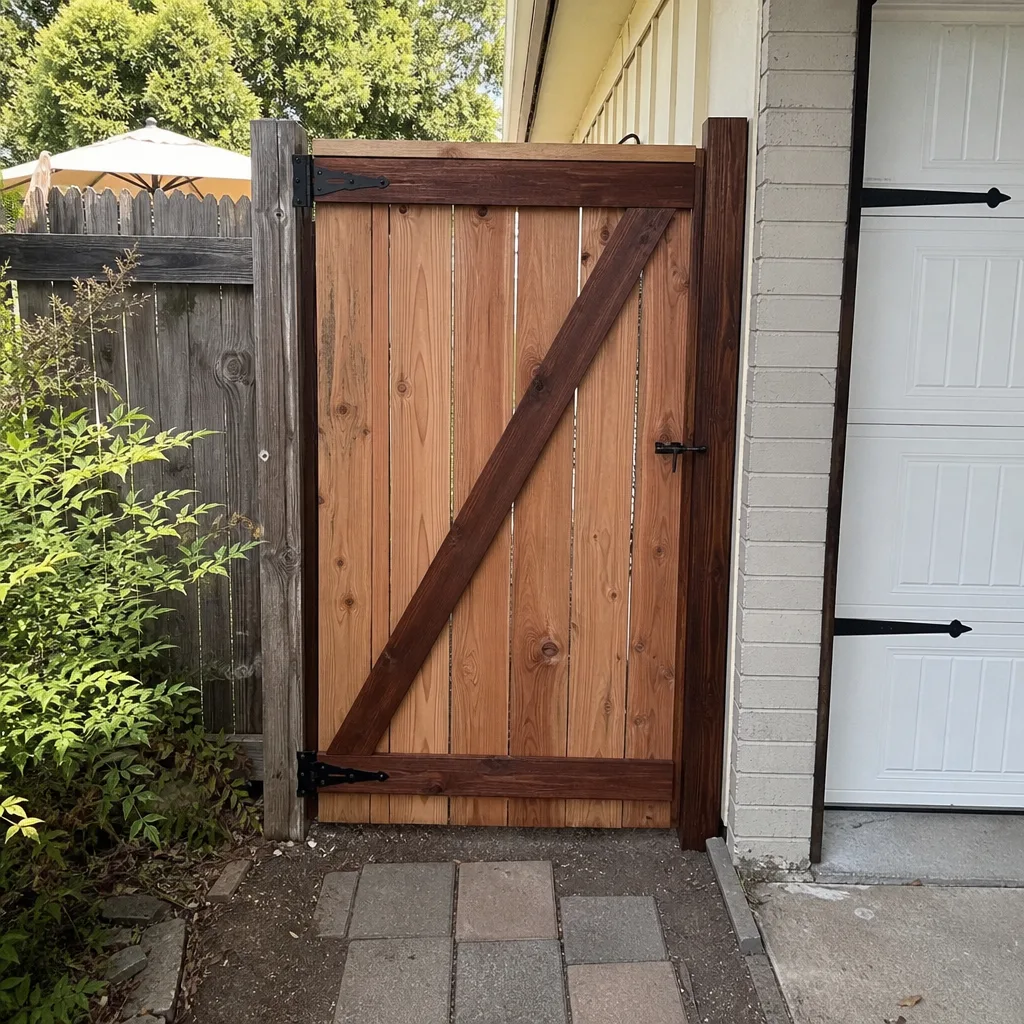
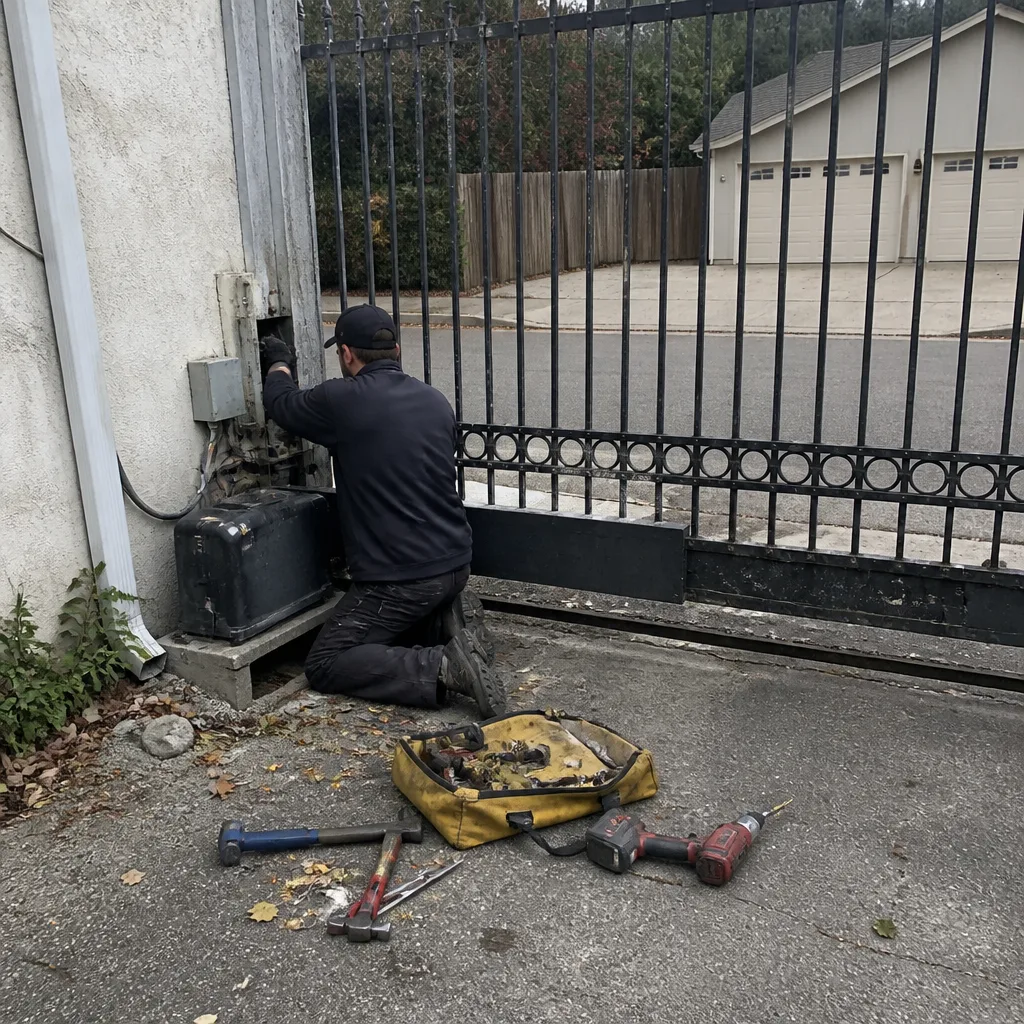
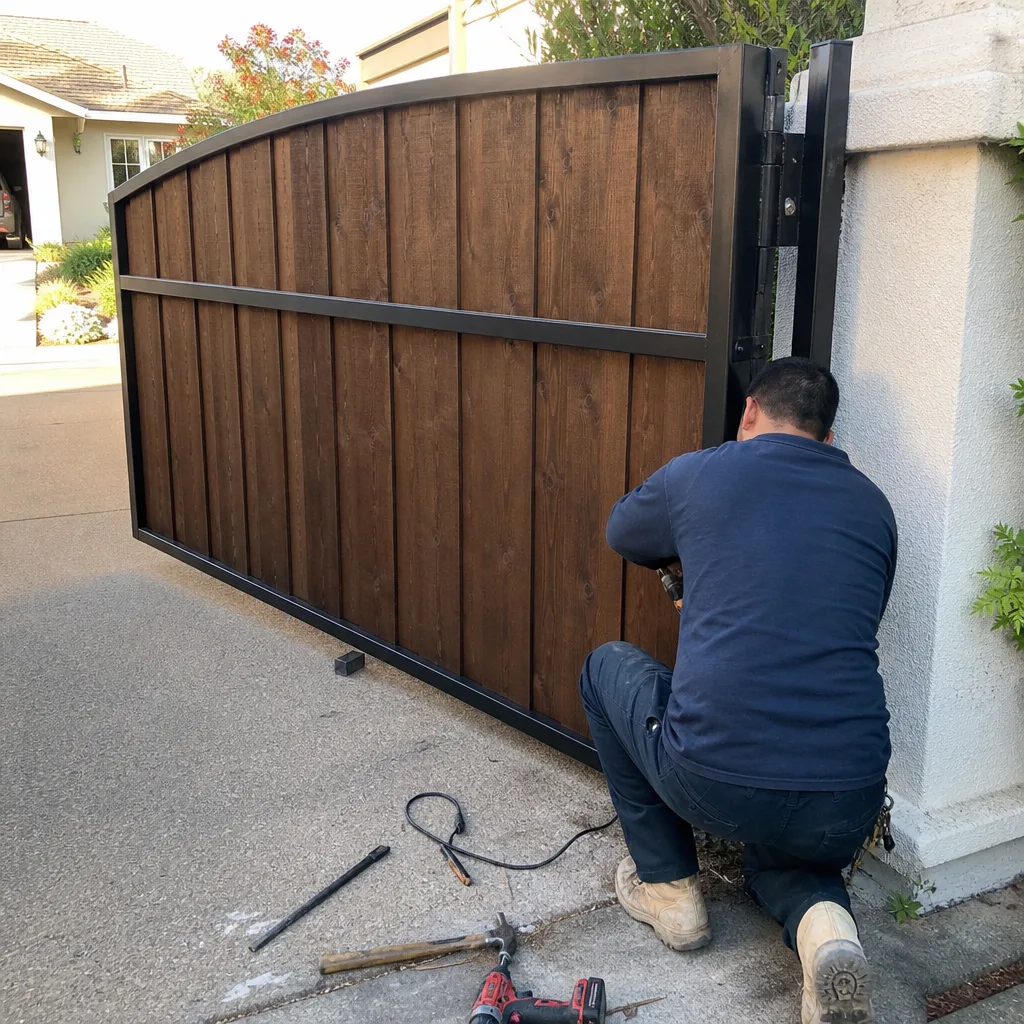
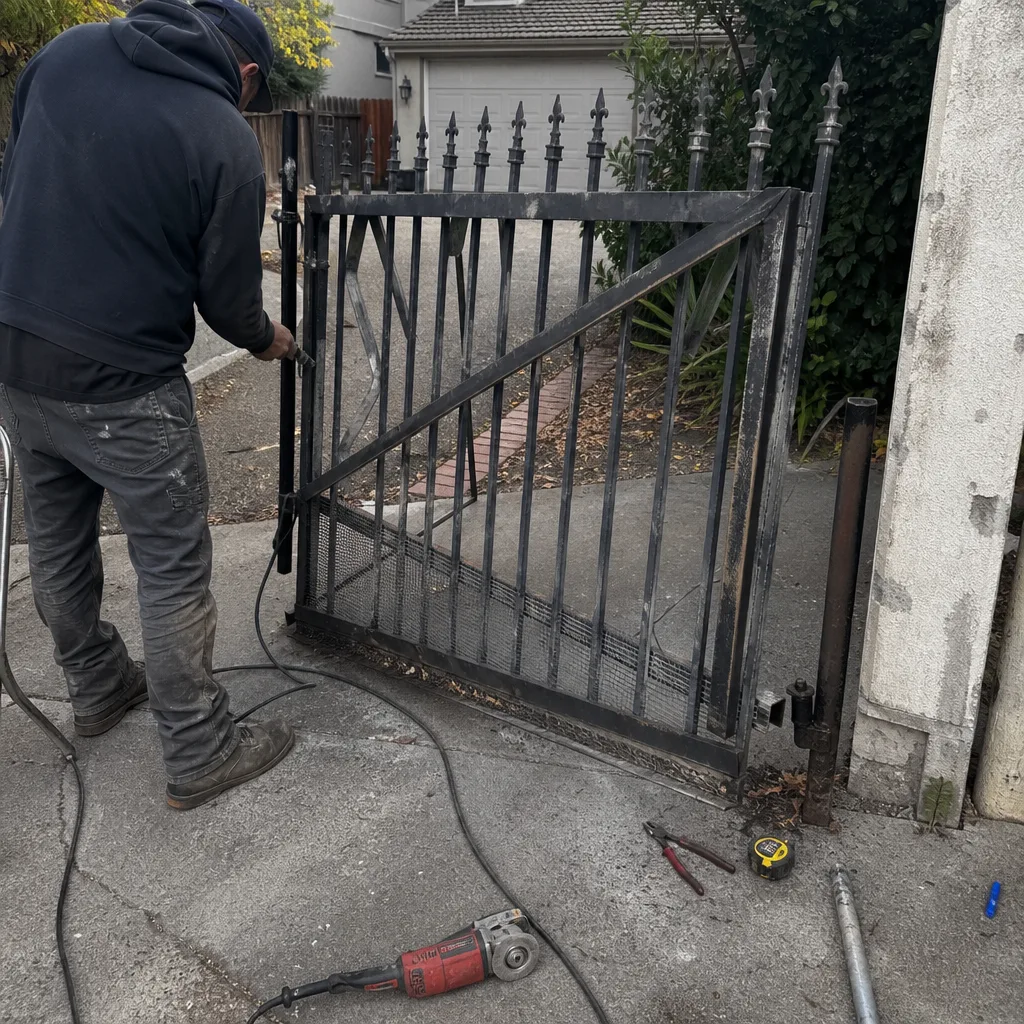
See the difference
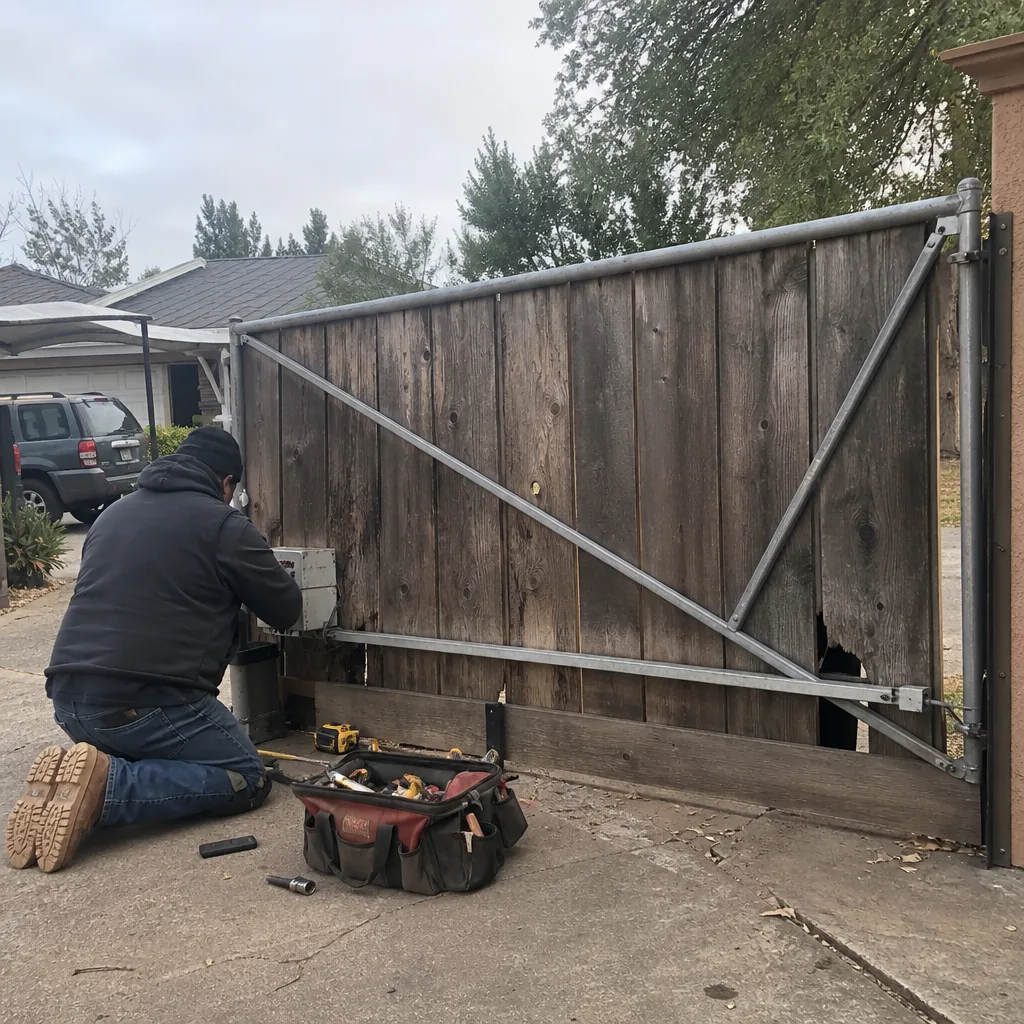 Before
 After
 Before
 After
 Before
 After